
A concept design is one of the most useful tools a kitchen sales team can have when used the right way. It helps move a lead from early interest to a real sales conversation, gives the customer something concrete to react to, introduces budget earlier, and it helps your team decide whether the project is ready for a retainer, more refinement, or a polite follow-up later.
For many kitchen showrooms and cabinet sellers, the problem is not a lack of leads; It is what happens after the lead comes in. Too much time gets spent chasing measurements, running long intake meetings, or starting detailed design work before anyone knows whether the customer is serious, aligned on budget, or even a fit.
That is where a kitchen concept design can help.
A strong concept design gives the customer an early visual direction and enough pricing context to support a better first sales meeting. It is not meant to be final. It is meant to help qualify the opportunity, guide the conversation, and fast-track the next step.
For sales teams, that means less guesswork and fewer drawn-out early-stage conversations. For buyers, it means faster clarity on whether the project vision and investment level make sense. For showrooms, it means design work starts serving the sales process instead of slowing it down.
What is a kitchen concept design?
A kitchen concept design is an early-stage layout and pricing package used to guide the first serious sales conversation.
It gives a prospect a practical starting point before full design development begins. Instead of waiting for detailed site measurements, long design interviews, and multiple rounds of revisions, the team creates a fast concept based on the information the lead can provide upfront. That may include photos, videos, an intake form, style preferences, room details, and basic project goals.
The purpose is not to finalize every detail. The purpose is to help answer the important early questions:
- Is this the right layout direction?
- Does the customer respond positively to the overall vision?
- Is the project aligned with the likely budget?
- Is this lead ready to move into a retainer-based design process?
That is why concept designs work so well as a sales accelerant. They help teams get into meaningful project conversations faster, often before in-home measurements or lengthy design interviews have taken place.
A good concept design makes the first meeting more productive because the customer is reacting to something real instead of speaking in general terms. That helps sales reps move beyond vague wish lists and into a clearer discussion about scope, style, timing, and budget.
For many kitchen businesses, concept design is also a practical way to improve qualification. Instead of assigning full design resources too early, the showroom can use a fast concept design process to determine which leads are worth deeper investment.
What’s included in a good concept design?
A good concept design should include enough detail to support a productive sales meeting, without pretending the design is complete.
That balance matters. If the package is too light, it does not help qualify the lead or move the conversation forward. If it is too detailed, the team risks giving away too much design work before commitment.
A strong kitchen concept design typically includes the following:
An initial layout
This is the core of the concept design. It shows the proposed arrangement of the cabinets, whether it’s for a kitchen, mud room, bathroom, etc, all based on the lead’s intake details, project goals, and available room information.
That may include:
- cabinet placement
- appliance positioning
- island or peninsula direction
- workflow assumptions
- general space planning
The goal is to show a realistic design direction, not a fully engineered final plan.
Early visuals or concept drawings
Concept drawings for a kitchen help the customer picture the space and respond to the proposed direction more quickly.
Depending on the process, that could include:
- floor plans
- preliminary elevations
- simple renderings
- layout views tied to the selected cabinet catalog
These visuals do not need to cover every final detail. They just need to be clear enough to support conversation and decision-making.
Design preferences captured through intake
A good concept design should reflect what the customer has already shared.
That might include:
- preferred style direction
- color and finish preferences
- storage priorities
- project notes
- inspiration photos
- uploaded room images or walkthrough videos
This is one reason concept designs can be delivered quickly. A structured intake process replaces much of the lengthy upfront interview work and gives the design team what they need to build an informed first version.
Budget or pricing context
One of the biggest advantages of a concept design is that it introduces pricing early.
A strong package should give the sales team enough pricing information to support a real budget conversation in the first meeting. That may include:
- list pricing tied to a chosen cabinet brand
- cabinet counts
- box counts
- pull counts
- countertop templates or related estimating inputs
This is important because it helps move the budget from an awkward later-stage topic to an early qualification tool.
A clear next step
A concept design should not leave the customer wondering what happens next.
It should make the path forward obvious. That could mean:
- moving into a design retainer
- refining scope
- adjusting the budget direction
- scheduling the next appointment
- deciding the project is not the right fit right now
A good concept design supports action. It should not just sit in the inbox as a pretty attachment.
What concept design is not (and why that matters)
This is where many teams get into trouble.
A concept design is not a final kitchen design. It is not construction-ready documentation. It is not the full design service. And it is not meant to answer every detailed question before the customer has committed to moving forward.
That distinction matters because when teams treat concept designs like finished design packages, they usually create one of two problems. Either they overload the early process with too much unpaid work, or they confuse the customer about what has and has not been finalized.
A concept design is not:
- final measured plans
- a fully revised and approved layout
- detailed installation documentation
- a substitute for site verification
- a full custom design process
- a reason to skip a retainer
Why does this matter?
Because the value of concept design comes from speed, structure, and sales utility. Its job is to help qualify the project and create momentum. Once it starts doing the work of full design, the process becomes slower, less scalable, and harder to protect.
It also matters for expectation-setting. Customers need to understand that concept design is an early-stage tool based on available information. It gives direction. It helps align on vision and likely budget. It prepares the team for a stronger first meeting. But it is not the final answer.
When that is communicated clearly, concept design becomes much easier to position as part of a retainer-based sales process.
How do concept designs fast-track retainers?
One of the strongest uses of a concept design is helping the sales team earn a design retainer faster.
That happens because the concept design answers two major questions early: “Can I see the direction?” and “Is the budget in the right range?” Once those questions are addressed, the customer can make a more confident decision about whether to invest in the next stage.
Without a concept design, many first meetings stay stuck in abstraction. The customer describes what they think they want. The showroom tries to explain a process. Budget is discussed vaguely or avoided. And the next step feels uncertain.
With a concept design, the conversation becomes much more concrete.
The sales rep can walk into the meeting with:
- an early kitchen direction
- pricing context in hand
- a clearer basis for discussing scope
- a natural way to introduce the retainer
That changes the role of the meeting. Instead of spending the appointment trying to gather enough information to justify more work, the team is positioned to sell the next step.
A concept design also helps filter out weaker leads. If the customer sees the direction and pricing range and decides the project is not aligned, the showroom learns that early. That protects design resources. If the customer is aligned and wants refinement, the retainer becomes a logical next step rather than a surprise ask.
This is why concept design works so well as both a sales tool and a qualification tool. It helps serious buyers commit sooner, and it gives the team permission to stop over-investing in leads that are still too early.
FAQs
How fast can a concept design be done?
A fast concept design can often be delivered within a couple of days when the intake process is structured properly.
That speed usually depends on having the right inputs upfront, such as photos, videos, preferences, project notes, and a completed intake form. When the process is standardized, the team can build an early kitchen concept without waiting for in-home measurements or lengthy first interviews.
The biggest advantage of fast concept design is not just speed for speed’s sake. It is the ability to get in front of the customer quickly with something useful enough to support a real sales conversation.
Can you price off a concept design?
Yes, you can usually begin pricing discussions from a concept design, as long as everyone understands it is an early-stage estimate and not final pricing.
That is one of the major reasons concept designs are so effective. They let sales teams introduce budget earlier in the process using cabinet catalog data, counts, and other estimating inputs tied to the proposed layout.
This helps answer an important question sooner: is the project generally aligned with the customer’s investment level?
Final pricing may still change once measurements are confirmed, details are refined, and the design is developed further. But that early pricing context is often enough to support qualification and retainer conversations.
What happens after the retainer is paid?
Once the retainer is paid, the project usually moves from early concept into the full design process.
That is the stage where the team can invest more time in:
- refining the layout
- confirming measurements
- revising selections
- resolving details
- tightening pricing
- preparing the design for quoting, ordering, and next-stage approvals
This is why the retainer is important. It marks the transition from early sales acceleration to real design development. The concept design helps the customer decide whether to move forward. The retainer gives the team the structure to do the deeper work properly.
Get outsourced concept design help with OKD
If your team is spending too much time on early-stage design work before a customer is ready to commit, concept design may be the missing step. OKD can help.
OKD helps kitchen and cabinet sellers move from reactive designing to proactive selling with concept designs built to support first meetings, budget conversations, and faster retainer decisions. Our process helps teams get early layouts and pricing into the sales conversation quickly, without relying on long interviews or in-home measurements to get started.
Business tips from the OKD team
Business tips from
the OKD team


For a lot of kitchen showrooms, cabinet dealers, and online sellers, quoting is where momentum starts to break down.
For a lot of kitchen showrooms, cabinet dealers, and online sellers, quoting is where momentum starts to break down.
For a lot of kitchen showrooms, cabinet dealers, and online sellers, quoting is where momentum
Read More …

A lot of kitchen and cabinet businesses hit the same point as they grow: sales stay busy, but designs
A lot of kitchen and cabinet businesses hit the same point as they grow: sales stay busy, but designs
A lot of kitchen and cabinet businesses hit the same point as they grow: sales
Read More …
A lot of kitchen and cabinet companies lose momentum between the first customer conversation and the point where the
A lot of kitchen and cabinet companies lose momentum between the first customer conversation and the point where the
A lot of kitchen and cabinet companies lose momentum between the first customer conversation and
Read More …

Revision loops are one of the easiest ways for kitchen showrooms, cabinet dealers, and design teams to lose margin
Revision loops are one of the easiest ways for kitchen showrooms, cabinet dealers, and design teams to lose margin
Revision loops are one of the easiest ways for kitchen showrooms, cabinet dealers, and design
Read More …
Backlogs do not usually start with one big problem. They build quietly. A few more leads come in than
Backlogs do not usually start with one big problem. They build quietly. A few more leads come in than
Backlogs do not usually start with one big problem. They build quietly. A few more
Read More …

Selling cabinets online sounds efficient on paper. More leads. Faster quoting. Fewer in-showroom meetings. Wider reach. But for many
Selling cabinets online sounds efficient on paper. More leads. Faster quoting. Fewer in-showroom meetings. Wider reach. But for many
Selling cabinets online sounds efficient on paper. More leads. Faster quoting. Fewer in-showroom meetings. Wider
Read More …

A lot of revision loops start before design even begins. Usually, it is not because the designer got it
A lot of revision loops start before design even begins. Usually, it is not because the designer got it
A lot of revision loops start before design even begins. Usually, it is not because
Read More …

Cabinet Genies boosts showroom sales with OKD design support Showrooms feeling stuck in the balance between sales and design
Cabinet Genies boosts showroom sales with OKD design support Showrooms feeling stuck in the balance between sales and design
Cabinet Genies boosts showroom sales with OKD design support Showrooms feeling stuck in the balance
Read More …

For any kitchen cabinet distributor needing to grow their business more efficiently, the solution is literally at your fingertips:
For any kitchen cabinet distributor needing to grow their business more efficiently, the solution is literally at your fingertips:
For any kitchen cabinet distributor needing to grow their business more efficiently, the solution is
Read More …

Not every kitchen lead is ready for design. Some are serious buyers with a real project, a clear timeline, and
Not every kitchen lead is ready for design. Some are serious buyers with a real project, a clear timeline, and
Not every kitchen lead is ready for design. Some are serious buyers with a real project,
Read More …

A kitchen showroom can seem like its leads are flowing, when in reality, there are roadblocks that keep it falling
A kitchen showroom can seem like its leads are flowing, when in reality, there are roadblocks that keep it falling
A kitchen showroom can seem like its leads are flowing, when in reality, there are roadblocks
Read More …
A concept design is one of the most useful tools a kitchen sales team can have when used the
A concept design is one of the most useful tools a kitchen sales team can have when used the
A concept design is one of the most useful tools a kitchen sales team can
Read More …
A lot can go wrong when the first kitchen consultation is too loose. Let’s say that someone calls in
A lot can go wrong when the first kitchen consultation is too loose. Let’s say that someone calls in
A lot can go wrong when the first kitchen consultation is too loose. Let’s say
Read More …
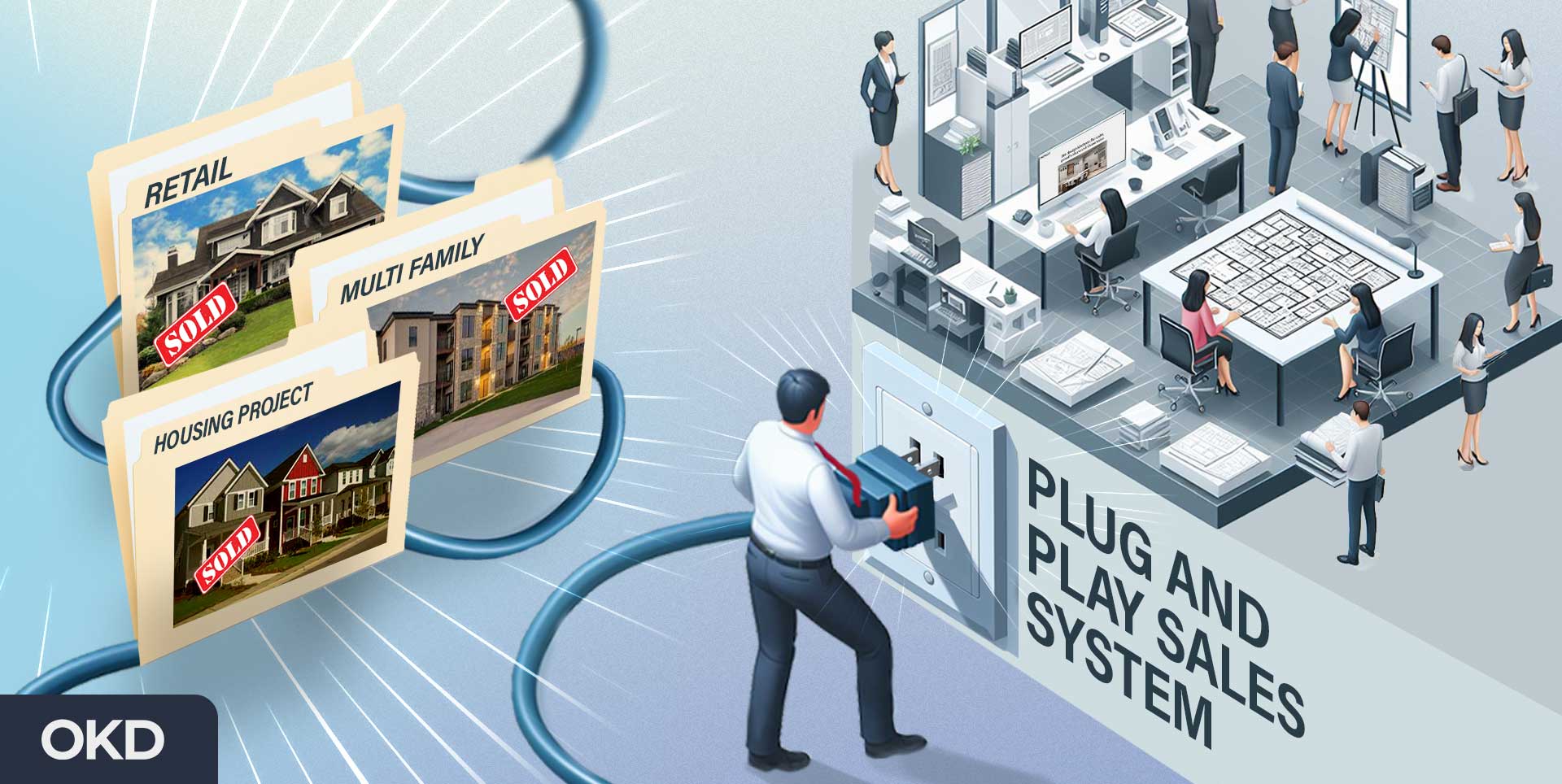
OKD’s plug-and-play system will get you kitchen sales you never considered. What do we mean by “Plug-and-Play”? In the tech
OKD’s plug-and-play system will get you kitchen sales you never considered. What do we mean by “Plug-and-Play”? In the tech
OKD’s plug-and-play system will get you kitchen sales you never considered. What do we mean by
Read More …

There’s an important shift happening in successful kitchen showroom designers and owners that are helping them scale; The traditional
There’s an important shift happening in successful kitchen showroom designers and owners that are helping them scale; The traditional
There’s an important shift happening in successful kitchen showroom designers and owners that are helping
Read More …
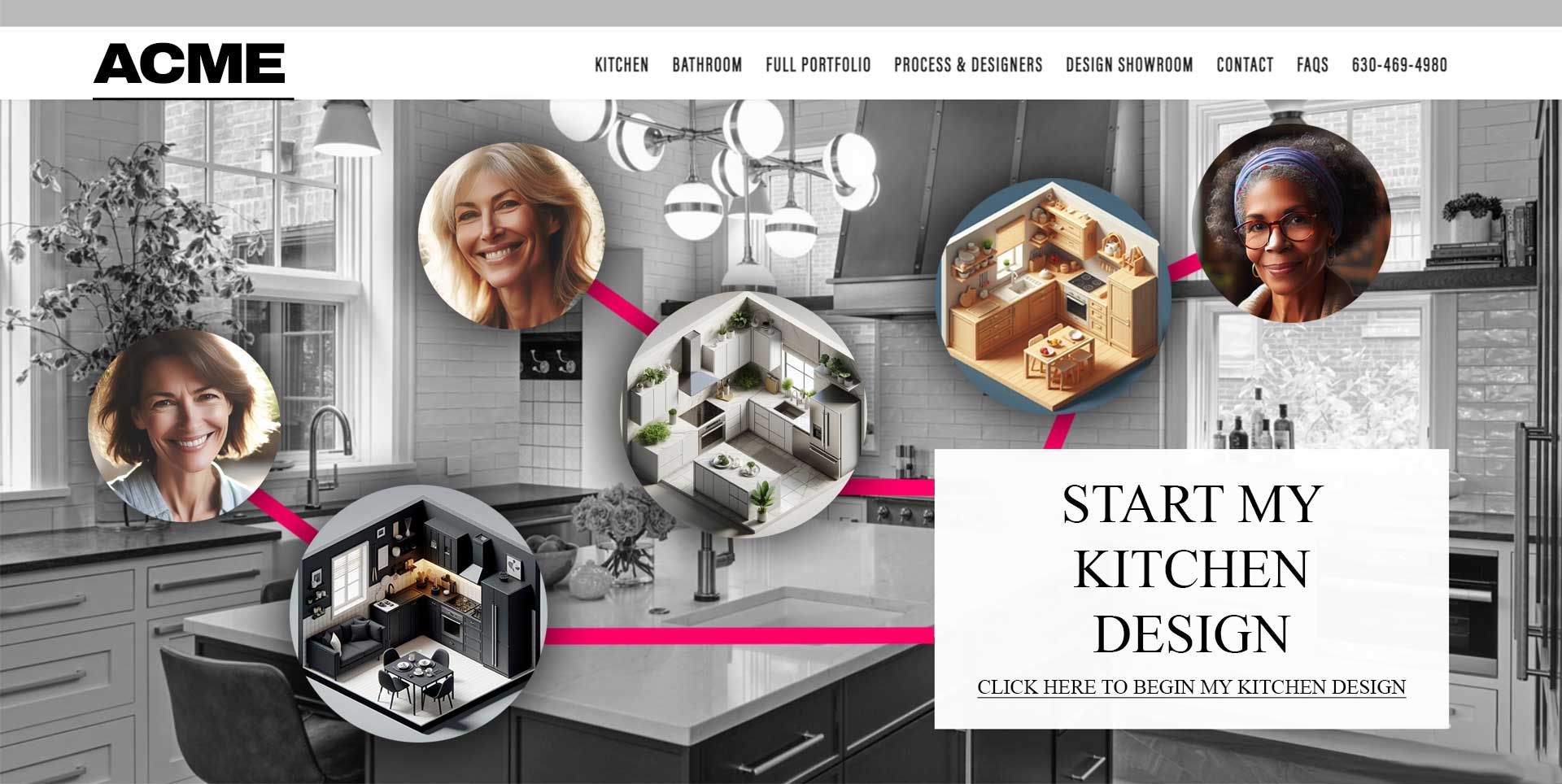
A customer is ready to move forward. The first conversation went well, the project looks promising, and the sales
A customer is ready to move forward. The first conversation went well, the project looks promising, and the sales
A customer is ready to move forward. The first conversation went well, the project looks
Read More …
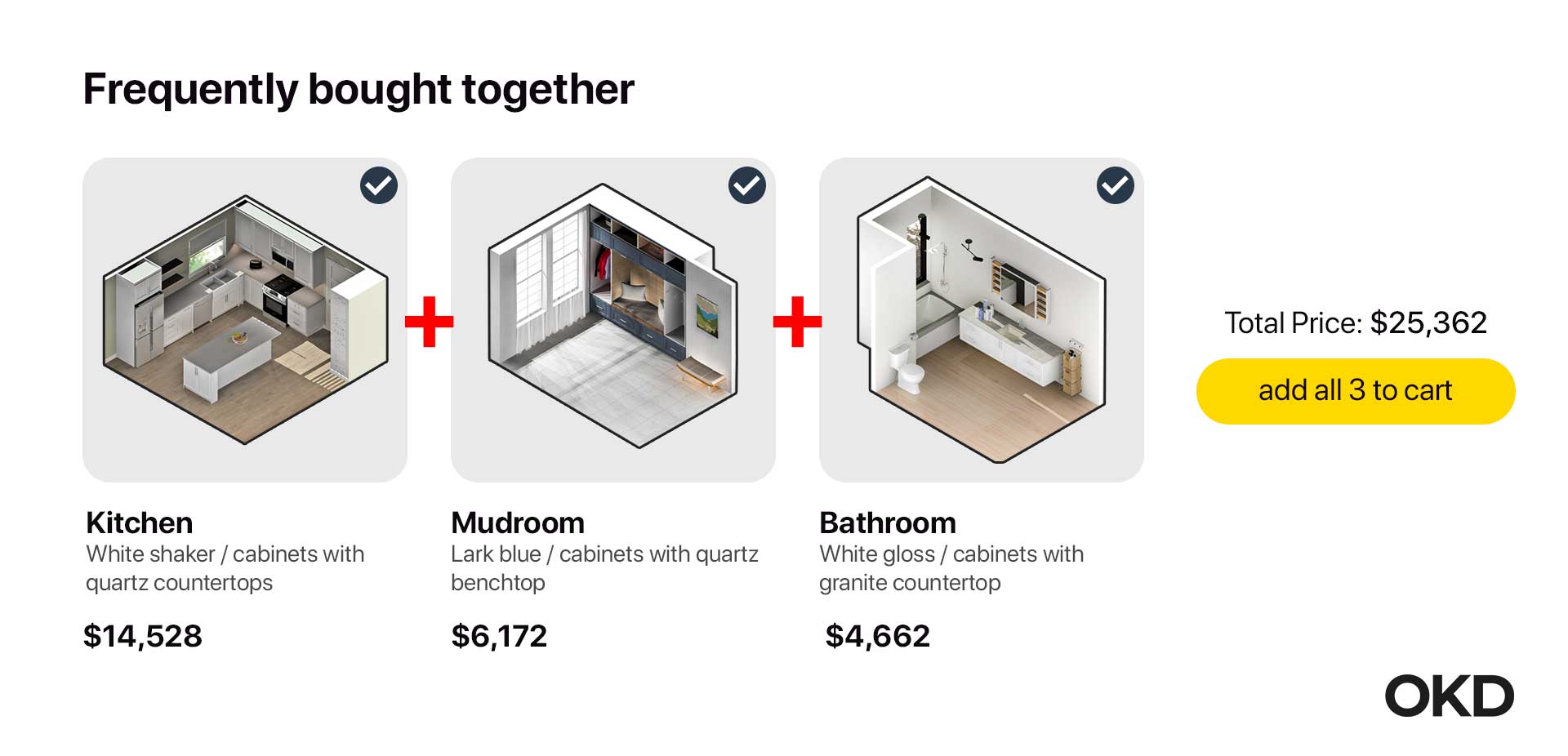
Increasing each customer’s contract amount (when mutually beneficial) can make or break a kitchen showroom.Showrooms that make it sell cabinets
Increasing each customer’s contract amount (when mutually beneficial) can make or break a kitchen showroom.Showrooms that make it sell cabinets
Increasing each customer’s contract amount (when mutually beneficial) can make or break a kitchen showroom.Showrooms that
Read More …
Have you ever dealt with ‘kitchen design/quote fatigue’? If you think the answer is no, but you feel exhausted
Have you ever dealt with ‘kitchen design/quote fatigue’? If you think the answer is no, but you feel exhausted
Have you ever dealt with ‘kitchen design/quote fatigue’? If you think the answer is no,
Read More …
The kitchen business is full of showrooms eager to give away kitchen designs to pretty much anyone. It doesn’t
The kitchen business is full of showrooms eager to give away kitchen designs to pretty much anyone. It doesn’t
The kitchen business is full of showrooms eager to give away kitchen designs to pretty
Read More …
Today, I want to demonstrate how to free your kitchen showroom salespeople. Freeing them to do what comes naturally: sell
Today, I want to demonstrate how to free your kitchen showroom salespeople. Freeing them to do what comes naturally: sell
Today, I want to demonstrate how to free your kitchen showroom salespeople. Freeing them to do
Read More …
When dealing with potential kitchen customers, you’re not just selling cabinets – you're listening for the future. Listen closely
When dealing with potential kitchen customers, you’re not just selling cabinets – you're listening for the future. Listen closely
When dealing with potential kitchen customers, you’re not just selling cabinets – you're listening for
Read More …

It’s about getting more quotes to more potential customers In this article: Simple steps to boost kitchen showroom sales growth
It’s about getting more quotes to more potential customers In this article: Simple steps to boost kitchen showroom sales growth
It’s about getting more quotes to more potential customers In this article: Simple steps to boost
Read More …
For a lot of kitchen showrooms, cabinet dealers, and online sellers, quoting is where momentum starts to break down.
For a lot of kitchen showrooms, cabinet dealers, and online sellers, quoting is where momentum starts to break down.
For a lot of kitchen showrooms, cabinet dealers, and online sellers, quoting is where momentum
Read More …
A lot of kitchen and cabinet businesses hit the same point as they grow: sales stay busy, but designs
A lot of kitchen and cabinet businesses hit the same point as they grow: sales stay busy, but designs
A lot of kitchen and cabinet businesses hit the same point as they grow: sales
Read More …
A lot of kitchen and cabinet companies lose momentum between the first customer conversation and the point where the
A lot of kitchen and cabinet companies lose momentum between the first customer conversation and the point where the
A lot of kitchen and cabinet companies lose momentum between the first customer conversation and
Read More …
Revision loops are one of the easiest ways for kitchen showrooms, cabinet dealers, and design teams to lose margin
Revision loops are one of the easiest ways for kitchen showrooms, cabinet dealers, and design teams to lose margin
Revision loops are one of the easiest ways for kitchen showrooms, cabinet dealers, and design
Read More …
Backlogs do not usually start with one big problem. They build quietly. A few more leads come in than
Backlogs do not usually start with one big problem. They build quietly. A few more leads come in than
Backlogs do not usually start with one big problem. They build quietly. A few more
Read More …
Selling cabinets online sounds efficient on paper. More leads. Faster quoting. Fewer in-showroom meetings. Wider reach. But for many
Selling cabinets online sounds efficient on paper. More leads. Faster quoting. Fewer in-showroom meetings. Wider reach. But for many
Selling cabinets online sounds efficient on paper. More leads. Faster quoting. Fewer in-showroom meetings. Wider
Read More …
A lot of revision loops start before design even begins. Usually, it is not because the designer got it
A lot of revision loops start before design even begins. Usually, it is not because the designer got it
A lot of revision loops start before design even begins. Usually, it is not because
Read More …
Cabinet Genies boosts showroom sales with OKD design support Showrooms feeling stuck in the balance between sales and design
Cabinet Genies boosts showroom sales with OKD design support Showrooms feeling stuck in the balance between sales and design
Cabinet Genies boosts showroom sales with OKD design support Showrooms feeling stuck in the balance
Read More …
For any kitchen cabinet distributor needing to grow their business more efficiently, the solution is literally at your fingertips:
For any kitchen cabinet distributor needing to grow their business more efficiently, the solution is literally at your fingertips:
For any kitchen cabinet distributor needing to grow their business more efficiently, the solution is
Read More …
Not every kitchen lead is ready for design. Some are serious buyers with a real project, a clear timeline, and
Not every kitchen lead is ready for design. Some are serious buyers with a real project, a clear timeline, and
Not every kitchen lead is ready for design. Some are serious buyers with a real project,
Read More …
A kitchen showroom can seem like its leads are flowing, when in reality, there are roadblocks that keep it falling
A kitchen showroom can seem like its leads are flowing, when in reality, there are roadblocks that keep it falling
A kitchen showroom can seem like its leads are flowing, when in reality, there are roadblocks
Read More …
A concept design is one of the most useful tools a kitchen sales team can have when used the
A concept design is one of the most useful tools a kitchen sales team can have when used the
A concept design is one of the most useful tools a kitchen sales team can
Read More …
A lot can go wrong when the first kitchen consultation is too loose. Let’s say that someone calls in
A lot can go wrong when the first kitchen consultation is too loose. Let’s say that someone calls in
A lot can go wrong when the first kitchen consultation is too loose. Let’s say
Read More …
OKD’s plug-and-play system will get you kitchen sales you never considered. What do we mean by “Plug-and-Play”? In the tech
OKD’s plug-and-play system will get you kitchen sales you never considered. What do we mean by “Plug-and-Play”? In the tech
OKD’s plug-and-play system will get you kitchen sales you never considered. What do we mean by
Read More …
There’s an important shift happening in successful kitchen showroom designers and owners that are helping them scale; The traditional
There’s an important shift happening in successful kitchen showroom designers and owners that are helping them scale; The traditional
There’s an important shift happening in successful kitchen showroom designers and owners that are helping
Read More …
A customer is ready to move forward. The first conversation went well, the project looks promising, and the sales
A customer is ready to move forward. The first conversation went well, the project looks promising, and the sales
A customer is ready to move forward. The first conversation went well, the project looks
Read More …
Increasing each customer’s contract amount (when mutually beneficial) can make or break a kitchen showroom.Showrooms that make it sell cabinets
Increasing each customer’s contract amount (when mutually beneficial) can make or break a kitchen showroom.Showrooms that make it sell cabinets
Increasing each customer’s contract amount (when mutually beneficial) can make or break a kitchen showroom.Showrooms that
Read More …
Have you ever dealt with ‘kitchen design/quote fatigue’? If you think the answer is no, but you feel exhausted
Have you ever dealt with ‘kitchen design/quote fatigue’? If you think the answer is no, but you feel exhausted
Have you ever dealt with ‘kitchen design/quote fatigue’? If you think the answer is no,
Read More …
The kitchen business is full of showrooms eager to give away kitchen designs to pretty much anyone. It doesn’t
The kitchen business is full of showrooms eager to give away kitchen designs to pretty much anyone. It doesn’t
The kitchen business is full of showrooms eager to give away kitchen designs to pretty
Read More …
Today, I want to demonstrate how to free your kitchen showroom salespeople. Freeing them to do what comes naturally: sell
Today, I want to demonstrate how to free your kitchen showroom salespeople. Freeing them to do what comes naturally: sell
Today, I want to demonstrate how to free your kitchen showroom salespeople. Freeing them to do
Read More …
When dealing with potential kitchen customers, you’re not just selling cabinets – you're listening for the future. Listen closely
When dealing with potential kitchen customers, you’re not just selling cabinets – you're listening for the future. Listen closely
When dealing with potential kitchen customers, you’re not just selling cabinets – you're listening for
Read More …
It’s about getting more quotes to more potential customers In this article: Simple steps to boost kitchen showroom sales growth
It’s about getting more quotes to more potential customers In this article: Simple steps to boost kitchen showroom sales growth
It’s about getting more quotes to more potential customers In this article: Simple steps to boost
Read More …