
A lot of revision loops start before design even begins.
Usually, it is not because the designer got it wrong. It is because the handoff from sales was missing key details. Scope is fuzzy, budget is unclear, notes are scattered, and customer priorities are only half-documented. The designer has to fill in the blanks, and that is when revisions start piling up.
This is one of the biggest bottlenecks in kitchen showrooms. A messy handoff slows design down, delays quotes, and makes customers repeat themselves. It frustrates the sales team, the designer, and the customer.
A solid handoff process helps prevent that. It is not about making sales more rigid. It is about giving design the right information the first time so projects move faster and need fewer revisions.
Why handoffs create most of the rework
The handoff is where assumptions enter the process.
If the sales rep knows important context but does not document it clearly, the designer has to guess. If the customer mentioned a must-have storage feature on the call but it never made it into the brief, the first layout may miss it. If the budget range was discussed loosely but not recorded properly, the design may head in the wrong direction. If no one clarified whether the client wants a quick concept or a more developed design, expectations will drift before the work even starts.
That is why poor handoffs create so much rework.
In most cases, revision loops happen because one of these things was missing at the start:
- project scope
- measurements or room information
- style preferences
- budget direction
- decision-maker details
- timeline
- clear next-step expectations
When those pieces are incomplete, design becomes reactive. The first version is used to uncover basic information that should have been captured before the work started. That creates more back-and-forth, more internal follow-up, and more avoidable revisions.
This also affects quote speed. In many showrooms, pricing depends on layout clarity, cabinet counts, and scope alignment. If the first design round is off-track, quoting gets pushed back too. That means the handoff is not just a design issue. It directly affects sales velocity.
A better sales-to-design workflow reduces all of this by making the handoff itself more intentional.
What information must be captured before design begins?
Before any kitchen design work starts, the design team should have a complete enough picture of the project to move forward without guessing.
That does not mean every job needs a perfect final brief on day one. But it does mean the basics must be standardized. If your team wants to reduce revisions, the handoff needs to capture the core information that affects layout, pricing, and customer fit.
At a minimum, your design intake checklist should include the following.
Project type and scope
The team needs to know what kind of project this is and how far the work should go.
That includes:
- remodel, new build, or cabinet replacement
- kitchen only or additional rooms
- cabinetry-only scope or broader renovation context
- whether the request is for a concept design, quote support, or fuller design work
Without clear scope, designers often solve for the wrong problem.
Measurements, plans, or room visuals
Design should not begin without some usable room information.
That might include:
- rough measurements
- floorplans
- builder plans
- photos of the existing space
- walkthrough videos
- notes about walls, windows, appliances, and constraints
The point is not perfection. The point is to avoid designing blind.
Customer preferences
The handoff should summarize what the customer wants in a way the designer can actually use.
That may include:
- style direction
- finish preferences
- functionality priorities
- storage needs
- inspiration references
- likes and dislikes
- non-negotiables already discussed
If these preferences live only in a rep’s memory or inbox, the handoff is too weak.
Budget direction
A designer does not need a perfect final number to start, but they do need a realistic budget direction.
Capture:
- stated budget range
- whether that range is for cabinetry only or full renovation
- any pricing sensitivity already discussed
- whether premium, mid-range, or value options are expected
Budget is one of the main filters for design direction. If it is missing, revisions are much more likely.
Timeline and urgency
The handoff should also show how urgent the project is and what timing matters.
Include:
- target start date
- important meeting dates
- contractor timeline if relevant
- whether the lead is active now or still exploring
This helps the design team prioritize correctly and match the depth of work to the lead’s readiness.
Decision-makers and process status
The design team should know who is actually involved in the decision and what stage the lead is in.
Capture:
- who the decision-makers are
- whether both are engaged yet
- whether a first meeting has happened
- whether a retainer has been discussed or paid
- what the intended next step is after design
This avoids situations where the team produces work for a project that is not truly ready to move forward.
How can working with outsourced design make things easier?
Outsourced design support works best when the handoff is standardized.
If a showroom or dealer has a clear sales-to-design handoff checklist, it becomes much easier to work with an outside partner. The outsourced team does not need to chase scattered context or interpret inconsistent notes from one rep to the next. They receive the same structured inputs every time, which helps them work faster and more accurately.
That consistency matters whether you are using outsourced help for concept designs, quoting support, revisions, or overflow production work.
A stronger handoff makes outsourced design easier in a few important ways.
It reduces clarification delays
When intake information is complete, the outsourced designer can start quickly instead of sending questions back to the sales team. That protects turnaround time and reduces internal friction.
It improves first-pass quality
The better the brief, the better the first version. This is especially important when your goal is to reduce revisions and speed up quotes.
It makes quality easier to manage
An outsourced partner can only match your standards if your expectations are documented. A handoff SOP creates that structure and gives your team something consistent to review against.
It helps the process scale
When design support depends on verbal explanations, tribal knowledge, or inbox archaeology, it becomes hard to scale. A standardized showroom SOP makes it much easier to add internal or external capacity without adding confusion.
In other words, outsourced design does not solve a broken handoff process on its own. But when the handoff is clear, outsourced support becomes much more efficient and valuable.
The checklist for showrooms and dealers
Below is a copy-and-paste kitchen design handoff process your team can use as a starting point. It is designed to reduce missing information, improve first-pass quality, and help design work move faster.
Sales-to-design handoff checklist
Lead and project basics
- Customer name
- Contact information
- Project address
- Rep owner
- Date of handoff
- Project type: remodel, new build, cabinet replacement
- Rooms included in scope
- Requested deliverable: concept design, quote support, revisions, full design, other
Room information
- Rough measurements attached
- Floorplans attached
- Photos attached
- Video walkthrough attached
- Notes on room constraints
- Appliance locations confirmed
- Known structural or layout limitations noted
Customer goals and preferences
- Main project goals
- Style direction
- Finish/color preferences
- Functionality priorities
- Storage needs
- Inspiration images attached
- Stated likes and dislikes
- Non-negotiables captured
Budget and timeline
- Budget range captured
- Budget applies to cabinetry only or full renovation
- Pricing sensitivity noted
- Timeline captured
- Important meeting or contractor dates noted
- Lead is active now or still exploring
Sales and decision status
- Decision-maker(s) identified
- Both decision-makers engaged
- Retainer discussed
- Retainer paid if applicable
- Known objections or concerns documented
- Next meeting scheduled
- Intended next step after design clearly stated
Final handoff check
- All files attached in one place
- Notes are clear and readable
- Missing information flagged
- Rep has reviewed before submitting
- Designer knows what outcome is needed from this round
This kind of design intake checklist does not need to be complicated to be effective. It just needs to be used consistently.
FAQs
What’s the #1 cause of revision loops?
The most common cause of revision loops is incomplete intake at the handoff stage.
When scope, budget, preferences, or room details are missing, the first design round becomes a discovery exercise instead of a design solution. That creates avoidable back-and-forth and slows both design and quoting.
How do you enforce this without slowing sales?
The key is to make the handoff simple enough that sales will actually use it.
That usually means:
- keeping the checklist practical
- using one standard format
- embedding it into the current workflow
- making completion part of the handoff requirement
- showing the team how it reduces follow-up and rework
A good SOP should make sales faster over time, not slower. The few extra minutes spent documenting the right information usually save much more time later.
How do you find the best outsourced designer?
Start by looking for a partner who understands both design production and the showroom sales process.
Ask whether they can:
- work inside your existing workflow
- follow your cabinet catalogs and standards
- support the types of deliverables you need most
- handle revisions efficiently
- maintain quality across repeated projects
The best outsourced designer is not just someone who can draw. It is someone who can reliably turn your intake into useful, sales-ready output without adding more management work.
Contact OKD
If your team is dealing with revision loops, delayed quotes, and messy handoffs, the problem may not be design capacity alone. It may be the handoff itself.
OKD helps kitchen and cabinet sellers create smoother design workflows with structured intake, concept design support, quoting help, and sales-ready design packages that reduce rework and keep projects moving.
Contact OKD to build a better handoff process and a faster path from lead to quote.
Business tips from the OKD team
Business tips from
the OKD team


For a lot of kitchen showrooms, cabinet dealers, and online sellers, quoting is where momentum starts to break down.
For a lot of kitchen showrooms, cabinet dealers, and online sellers, quoting is where momentum starts to break down.
For a lot of kitchen showrooms, cabinet dealers, and online sellers, quoting is where momentum
Read More …

A lot of kitchen and cabinet businesses hit the same point as they grow: sales stay busy, but designs
A lot of kitchen and cabinet businesses hit the same point as they grow: sales stay busy, but designs
A lot of kitchen and cabinet businesses hit the same point as they grow: sales
Read More …
A lot of kitchen and cabinet companies lose momentum between the first customer conversation and the point where the
A lot of kitchen and cabinet companies lose momentum between the first customer conversation and the point where the
A lot of kitchen and cabinet companies lose momentum between the first customer conversation and
Read More …

Revision loops are one of the easiest ways for kitchen showrooms, cabinet dealers, and design teams to lose margin
Revision loops are one of the easiest ways for kitchen showrooms, cabinet dealers, and design teams to lose margin
Revision loops are one of the easiest ways for kitchen showrooms, cabinet dealers, and design
Read More …
Backlogs do not usually start with one big problem. They build quietly. A few more leads come in than
Backlogs do not usually start with one big problem. They build quietly. A few more leads come in than
Backlogs do not usually start with one big problem. They build quietly. A few more
Read More …

Selling cabinets online sounds efficient on paper. More leads. Faster quoting. Fewer in-showroom meetings. Wider reach. But for many
Selling cabinets online sounds efficient on paper. More leads. Faster quoting. Fewer in-showroom meetings. Wider reach. But for many
Selling cabinets online sounds efficient on paper. More leads. Faster quoting. Fewer in-showroom meetings. Wider
Read More …

A lot of revision loops start before design even begins. Usually, it is not because the designer got it
A lot of revision loops start before design even begins. Usually, it is not because the designer got it
A lot of revision loops start before design even begins. Usually, it is not because
Read More …

Cabinet Genies boosts showroom sales with OKD design support Showrooms feeling stuck in the balance between sales and design
Cabinet Genies boosts showroom sales with OKD design support Showrooms feeling stuck in the balance between sales and design
Cabinet Genies boosts showroom sales with OKD design support Showrooms feeling stuck in the balance
Read More …

For any kitchen cabinet distributor needing to grow their business more efficiently, the solution is literally at your fingertips:
For any kitchen cabinet distributor needing to grow their business more efficiently, the solution is literally at your fingertips:
For any kitchen cabinet distributor needing to grow their business more efficiently, the solution is
Read More …

Not every kitchen lead is ready for design. Some are serious buyers with a real project, a clear timeline, and
Not every kitchen lead is ready for design. Some are serious buyers with a real project, a clear timeline, and
Not every kitchen lead is ready for design. Some are serious buyers with a real project,
Read More …

A kitchen showroom can seem like its leads are flowing, when in reality, there are roadblocks that keep it falling
A kitchen showroom can seem like its leads are flowing, when in reality, there are roadblocks that keep it falling
A kitchen showroom can seem like its leads are flowing, when in reality, there are roadblocks
Read More …
A concept design is one of the most useful tools a kitchen sales team can have when used the
A concept design is one of the most useful tools a kitchen sales team can have when used the
A concept design is one of the most useful tools a kitchen sales team can
Read More …
A lot can go wrong when the first kitchen consultation is too loose. Let’s say that someone calls in
A lot can go wrong when the first kitchen consultation is too loose. Let’s say that someone calls in
A lot can go wrong when the first kitchen consultation is too loose. Let’s say
Read More …

OKD’s plug-and-play system will get you kitchen sales you never considered. What do we mean by “Plug-and-Play”? In the tech
OKD’s plug-and-play system will get you kitchen sales you never considered. What do we mean by “Plug-and-Play”? In the tech
OKD’s plug-and-play system will get you kitchen sales you never considered. What do we mean by
Read More …

There’s an important shift happening in successful kitchen showroom designers and owners that are helping them scale; The traditional
There’s an important shift happening in successful kitchen showroom designers and owners that are helping them scale; The traditional
There’s an important shift happening in successful kitchen showroom designers and owners that are helping
Read More …
A customer is ready to move forward. The first conversation went well, the project looks promising, and the sales
A customer is ready to move forward. The first conversation went well, the project looks promising, and the sales
A customer is ready to move forward. The first conversation went well, the project looks
Read More …
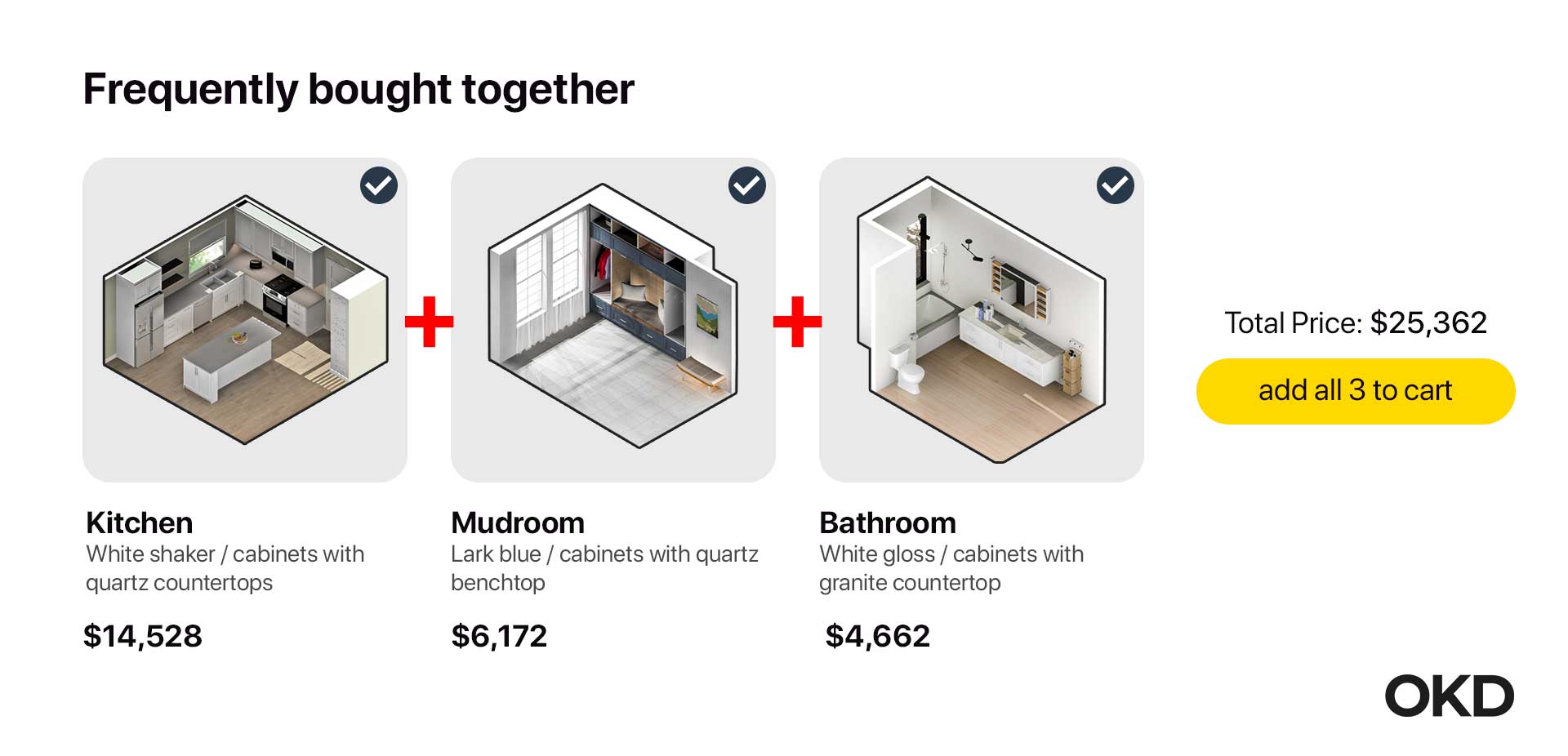
Increasing each customer’s contract amount (when mutually beneficial) can make or break a kitchen showroom.Showrooms that make it sell cabinets
Increasing each customer’s contract amount (when mutually beneficial) can make or break a kitchen showroom.Showrooms that make it sell cabinets
Increasing each customer’s contract amount (when mutually beneficial) can make or break a kitchen showroom.Showrooms that
Read More …
Have you ever dealt with ‘kitchen design/quote fatigue’? If you think the answer is no, but you feel exhausted
Have you ever dealt with ‘kitchen design/quote fatigue’? If you think the answer is no, but you feel exhausted
Have you ever dealt with ‘kitchen design/quote fatigue’? If you think the answer is no,
Read More …

The kitchen business is full of showrooms eager to give away kitchen designs to pretty much anyone. It doesn’t
The kitchen business is full of showrooms eager to give away kitchen designs to pretty much anyone. It doesn’t
The kitchen business is full of showrooms eager to give away kitchen designs to pretty
Read More …
Today, I want to demonstrate how to free your kitchen showroom salespeople. Freeing them to do what comes naturally: sell
Today, I want to demonstrate how to free your kitchen showroom salespeople. Freeing them to do what comes naturally: sell
Today, I want to demonstrate how to free your kitchen showroom salespeople. Freeing them to do
Read More …
When dealing with potential kitchen customers, you’re not just selling cabinets – you're listening for the future. Listen closely
When dealing with potential kitchen customers, you’re not just selling cabinets – you're listening for the future. Listen closely
When dealing with potential kitchen customers, you’re not just selling cabinets – you're listening for
Read More …

It’s about getting more quotes to more potential customers In this article: Simple steps to boost kitchen showroom sales growth
It’s about getting more quotes to more potential customers In this article: Simple steps to boost kitchen showroom sales growth
It’s about getting more quotes to more potential customers In this article: Simple steps to boost
Read More …
For a lot of kitchen showrooms, cabinet dealers, and online sellers, quoting is where momentum starts to break down.
For a lot of kitchen showrooms, cabinet dealers, and online sellers, quoting is where momentum starts to break down.
For a lot of kitchen showrooms, cabinet dealers, and online sellers, quoting is where momentum
Read More …
A lot of kitchen and cabinet businesses hit the same point as they grow: sales stay busy, but designs
A lot of kitchen and cabinet businesses hit the same point as they grow: sales stay busy, but designs
A lot of kitchen and cabinet businesses hit the same point as they grow: sales
Read More …
A lot of kitchen and cabinet companies lose momentum between the first customer conversation and the point where the
A lot of kitchen and cabinet companies lose momentum between the first customer conversation and the point where the
A lot of kitchen and cabinet companies lose momentum between the first customer conversation and
Read More …
Revision loops are one of the easiest ways for kitchen showrooms, cabinet dealers, and design teams to lose margin
Revision loops are one of the easiest ways for kitchen showrooms, cabinet dealers, and design teams to lose margin
Revision loops are one of the easiest ways for kitchen showrooms, cabinet dealers, and design
Read More …
Backlogs do not usually start with one big problem. They build quietly. A few more leads come in than
Backlogs do not usually start with one big problem. They build quietly. A few more leads come in than
Backlogs do not usually start with one big problem. They build quietly. A few more
Read More …
Selling cabinets online sounds efficient on paper. More leads. Faster quoting. Fewer in-showroom meetings. Wider reach. But for many
Selling cabinets online sounds efficient on paper. More leads. Faster quoting. Fewer in-showroom meetings. Wider reach. But for many
Selling cabinets online sounds efficient on paper. More leads. Faster quoting. Fewer in-showroom meetings. Wider
Read More …
A lot of revision loops start before design even begins. Usually, it is not because the designer got it
A lot of revision loops start before design even begins. Usually, it is not because the designer got it
A lot of revision loops start before design even begins. Usually, it is not because
Read More …
Cabinet Genies boosts showroom sales with OKD design support Showrooms feeling stuck in the balance between sales and design
Cabinet Genies boosts showroom sales with OKD design support Showrooms feeling stuck in the balance between sales and design
Cabinet Genies boosts showroom sales with OKD design support Showrooms feeling stuck in the balance
Read More …
For any kitchen cabinet distributor needing to grow their business more efficiently, the solution is literally at your fingertips:
For any kitchen cabinet distributor needing to grow their business more efficiently, the solution is literally at your fingertips:
For any kitchen cabinet distributor needing to grow their business more efficiently, the solution is
Read More …
Not every kitchen lead is ready for design. Some are serious buyers with a real project, a clear timeline, and
Not every kitchen lead is ready for design. Some are serious buyers with a real project, a clear timeline, and
Not every kitchen lead is ready for design. Some are serious buyers with a real project,
Read More …
A kitchen showroom can seem like its leads are flowing, when in reality, there are roadblocks that keep it falling
A kitchen showroom can seem like its leads are flowing, when in reality, there are roadblocks that keep it falling
A kitchen showroom can seem like its leads are flowing, when in reality, there are roadblocks
Read More …
A concept design is one of the most useful tools a kitchen sales team can have when used the
A concept design is one of the most useful tools a kitchen sales team can have when used the
A concept design is one of the most useful tools a kitchen sales team can
Read More …
A lot can go wrong when the first kitchen consultation is too loose. Let’s say that someone calls in
A lot can go wrong when the first kitchen consultation is too loose. Let’s say that someone calls in
A lot can go wrong when the first kitchen consultation is too loose. Let’s say
Read More …
OKD’s plug-and-play system will get you kitchen sales you never considered. What do we mean by “Plug-and-Play”? In the tech
OKD’s plug-and-play system will get you kitchen sales you never considered. What do we mean by “Plug-and-Play”? In the tech
OKD’s plug-and-play system will get you kitchen sales you never considered. What do we mean by
Read More …
There’s an important shift happening in successful kitchen showroom designers and owners that are helping them scale; The traditional
There’s an important shift happening in successful kitchen showroom designers and owners that are helping them scale; The traditional
There’s an important shift happening in successful kitchen showroom designers and owners that are helping
Read More …
A customer is ready to move forward. The first conversation went well, the project looks promising, and the sales
A customer is ready to move forward. The first conversation went well, the project looks promising, and the sales
A customer is ready to move forward. The first conversation went well, the project looks
Read More …
Increasing each customer’s contract amount (when mutually beneficial) can make or break a kitchen showroom.Showrooms that make it sell cabinets
Increasing each customer’s contract amount (when mutually beneficial) can make or break a kitchen showroom.Showrooms that make it sell cabinets
Increasing each customer’s contract amount (when mutually beneficial) can make or break a kitchen showroom.Showrooms that
Read More …
Have you ever dealt with ‘kitchen design/quote fatigue’? If you think the answer is no, but you feel exhausted
Have you ever dealt with ‘kitchen design/quote fatigue’? If you think the answer is no, but you feel exhausted
Have you ever dealt with ‘kitchen design/quote fatigue’? If you think the answer is no,
Read More …
The kitchen business is full of showrooms eager to give away kitchen designs to pretty much anyone. It doesn’t
The kitchen business is full of showrooms eager to give away kitchen designs to pretty much anyone. It doesn’t
The kitchen business is full of showrooms eager to give away kitchen designs to pretty
Read More …
Today, I want to demonstrate how to free your kitchen showroom salespeople. Freeing them to do what comes naturally: sell
Today, I want to demonstrate how to free your kitchen showroom salespeople. Freeing them to do what comes naturally: sell
Today, I want to demonstrate how to free your kitchen showroom salespeople. Freeing them to do
Read More …
When dealing with potential kitchen customers, you’re not just selling cabinets – you're listening for the future. Listen closely
When dealing with potential kitchen customers, you’re not just selling cabinets – you're listening for the future. Listen closely
When dealing with potential kitchen customers, you’re not just selling cabinets – you're listening for
Read More …
It’s about getting more quotes to more potential customers In this article: Simple steps to boost kitchen showroom sales growth
It’s about getting more quotes to more potential customers In this article: Simple steps to boost kitchen showroom sales growth
It’s about getting more quotes to more potential customers In this article: Simple steps to boost
Read More …