
A lot of kitchen and cabinet businesses hit the same point as they grow: sales stay busy, but designs and quotes start taking longer. Follow-up slows down, projects pile up, and what looks like a sales issue is often really a design capacity issue.
That is when the question starts to matter: should the business hire an in-house designer or outsource design support?
It is not just a staffing decision. It is a decision about speed, capacity, cost, and risk. And the right answer depends on what the business needs most right now.
What are you actually buying: time, throughput, or expertise?
Before comparing costs, it helps to define the real need.
When a business hires an in-house kitchen designer, it is usually buying dedicated capacity inside the team. That often makes sense when design volume is steady, the workflow is already mature, and there is enough work to keep that person fully utilized.
When a business outsources kitchen design, it is often buying flexibility, faster access to capacity, and the ability to scale work without adding full-time headcount. In some cases, it is also buying specialized expertise, better documentation, or more standardized deliverables.
The real question is not just whether to hire or outsource. It is what outcome matters most right now.
That outcome may be:
- faster turnaround times
- more design throughput
- better quoting support
- less strain on the internal team
- access to trained design expertise
- more predictable design capacity
Once that is clear, the choice becomes easier to evaluate.
How does the cost comparison work: fully loaded designer vs outsourced support?
A lot of businesses compare salary to vendor pricing and stop there. That usually leads to an incomplete decision.
The true cost of an in-house kitchen designer is more than base pay. It also includes payroll burden, benefits, software, equipment, training time, management time, onboarding, and the cost of slower ramp-up. If the person is not fully utilized, the business is also paying for unused capacity.
A fully loaded in-house cost often includes:
- salary or hourly wages
- payroll taxes and benefits
- design software and tools
- hardware and workstation costs
- recruiting and onboarding time
- management and QA oversight
- training on internal processes and product lines
On the flip side, outsourced kitchen design support is usually a variable cost. The business pays for output or capacity support without taking on the full employment overhead of a new hire.
That can make outsourcing attractive when:
- design demand is inconsistent
- the team needs faster support than hiring can provide
- the workload does not justify another full-time role
- the business wants to avoid the fixed cost of a permanent hire
- overflow work is hurting speed or sales follow-up
In-house teams can be cost-effective when volume is stable and high enough to fully absorb the role. Outsourcing often becomes more attractive when flexibility matters more than fixed ownership of the role.
What changes in throughput and cycle time?
Throughput is one of the biggest differences between hiring and outsourcing.
With an in-house hire, capacity usually improves gradually. There is a ramp-up period, and the new person needs time to learn the brand, product lines, quoting process, and internal expectations. Over time, that can create strong internal alignment. But it rarely solves an immediate backlog overnight.
Outsourced support can often affect throughput faster, especially when the partner already has a trained process, established documentation standards, and experience working with kitchen and cabinet sales teams.
That can help reduce cycle time by:
- clearing backlogs faster
- reducing wait times between intake and design
- creating more quote-ready files for sales
- freeing internal staff to focus on high-value conversations
- supporting overflow without slowing down the core team
In practical terms, an outsourced model can be especially helpful when a showroom or dealer is losing momentum because leads are waiting too long for layouts, revisions, or quote-supporting design files.
Hiring can still improve throughput, but it is usually a slower build. Outsourcing is often the faster lever when the problem is immediate capacity.
How do the risks compare: hiring, turnover, training, and quality control?
Every capacity decision carries risk. The difference is where that risk sits.
With in-house hiring, the main risks usually include:
- slow recruiting cycles
- hiring the wrong fit
- turnover after training investment
- inconsistent output during ramp-up
- management time required for coaching and QA
- workload imbalance if demand changes
If a business hires too early, it can end up carrying fixed overhead before the work is consistent enough to support it. If it hires too late, sales may already be feeling the effects of slow design capacity.
With outsourcing, the risks are different. They usually center around process fit, communication, brand consistency, and quality control. If the outsourced partner does not understand the business model, sales workflow, or design standards, the output may create more friction instead of less.
That is why outsourcing works best when the process is structured and expectations are clear. Inputs, deliverables, turnaround expectations, and revision rules all need to be defined well.
A strong outsourced partner reduces risk by making output more standardized, not more chaotic.
When is in-house best?
In-house kitchen designers are often the best choice when the business has steady design volume, a defined workflow, and a long-term need for dedicated internal capacity.
In-house may be the better fit when:
- design demand is consistently high year-round
- the business wants deep product and process ownership internally
- the team has strong management and training capacity
- collaboration needs are highly real-time and frequent
- design is central enough to justify permanent full-time headcount
An in-house model can also make sense when the business wants to build a deeply embedded design culture and has enough stability to support that investment.
When is outsourcing best?
Outsourcing is often the better fit when the main problem is speed, backlog, flexibility, or cost control.
It tends to work well when:
- the team is overloaded
- sales is waiting on design
- quote turnaround is slowing down
- design volume is uneven
- the business wants to grow without hiring immediately
- revision bottlenecks are eating into internal capacity
- there is a need for standardized, sales-ready deliverables
Outsourcing is also a strong option for businesses that do not want to choose between growth and fixed overhead. Instead of adding permanent headcount too early, they can increase design capacity in a more flexible way.
For many businesses, the smartest model is not fully in-house or fully outsourced. It is a blended model where the internal team owns customer relationships and strategy, while outsourced support handles overflow, production support, or repeatable design deliverables.
How can OKD help?
OKD helps kitchen showrooms, cabinet dealers, manufacturers, and online retailers increase design capacity without immediately expanding internal headcount. Instead of relying only on hiring, teams can use outsourced kitchen design support to keep projects moving, reduce quoting delays, and maintain more consistent output.
That can be especially useful when the internal team is stuck in backlog, when sales-ready design packages are taking too long to produce, or when growth is outpacing the current team’s bandwidth. OKD provides structured, branded, quote-supporting deliverables designed to help teams move faster without losing control of quality.
How fast can an outsourced team ramp?
A strong outsourced team can usually ramp much faster than a new hire because the design process, documentation standards, and production structure already exist. There is still an onboarding period, but it is typically focused on brand standards, product preferences, and workflow alignment rather than full training from scratch.
Can outsourcing match our design style?
Yes, if the process is well documented. Outsourced support works best when the business provides clear direction around brand standards, cabinet lines, presentation expectations, and revision rules. With the right structure, outsourced teams can produce work that feels consistent with the internal brand and sales process.
What should we outsource first?
The best work to outsource first is usually the most repeatable and time-consuming work that slows the team down. That may include concept layouts, sales-ready design packages, quote-supporting documentation, or overflow revision work. Starting with a narrow scope often makes it easier to build trust and improve throughput quickly.
How can OKD help?
Choosing between outsourced vs in-house kitchen designers is really about choosing the right model for your current stage, workflow, and sales goals.
OKD helps kitchen and cabinet businesses add flexible design capacity with structured, sales-ready support that reduces bottlenecks and helps teams move faster.
If the team is debating whether to hire, outsource, or do both, contact OKD to see how outsourced kitchen design support can help improve throughput without adding unnecessary risk.
Business tips from the OKD team
Business tips from
the OKD team


For a lot of kitchen showrooms, cabinet dealers, and online sellers, quoting is where momentum starts to break down.
For a lot of kitchen showrooms, cabinet dealers, and online sellers, quoting is where momentum starts to break down.
For a lot of kitchen showrooms, cabinet dealers, and online sellers, quoting is where momentum
Read More …

A lot of kitchen and cabinet businesses hit the same point as they grow: sales stay busy, but designs
A lot of kitchen and cabinet businesses hit the same point as they grow: sales stay busy, but designs
A lot of kitchen and cabinet businesses hit the same point as they grow: sales
Read More …
A lot of kitchen and cabinet companies lose momentum between the first customer conversation and the point where the
A lot of kitchen and cabinet companies lose momentum between the first customer conversation and the point where the
A lot of kitchen and cabinet companies lose momentum between the first customer conversation and
Read More …

Revision loops are one of the easiest ways for kitchen showrooms, cabinet dealers, and design teams to lose margin
Revision loops are one of the easiest ways for kitchen showrooms, cabinet dealers, and design teams to lose margin
Revision loops are one of the easiest ways for kitchen showrooms, cabinet dealers, and design
Read More …
Backlogs do not usually start with one big problem. They build quietly. A few more leads come in than
Backlogs do not usually start with one big problem. They build quietly. A few more leads come in than
Backlogs do not usually start with one big problem. They build quietly. A few more
Read More …

Selling cabinets online sounds efficient on paper. More leads. Faster quoting. Fewer in-showroom meetings. Wider reach. But for many
Selling cabinets online sounds efficient on paper. More leads. Faster quoting. Fewer in-showroom meetings. Wider reach. But for many
Selling cabinets online sounds efficient on paper. More leads. Faster quoting. Fewer in-showroom meetings. Wider
Read More …

A lot of revision loops start before design even begins. Usually, it is not because the designer got it
A lot of revision loops start before design even begins. Usually, it is not because the designer got it
A lot of revision loops start before design even begins. Usually, it is not because
Read More …

Cabinet Genies boosts showroom sales with OKD design support Showrooms feeling stuck in the balance between sales and design
Cabinet Genies boosts showroom sales with OKD design support Showrooms feeling stuck in the balance between sales and design
Cabinet Genies boosts showroom sales with OKD design support Showrooms feeling stuck in the balance
Read More …

For any kitchen cabinet distributor needing to grow their business more efficiently, the solution is literally at your fingertips:
For any kitchen cabinet distributor needing to grow their business more efficiently, the solution is literally at your fingertips:
For any kitchen cabinet distributor needing to grow their business more efficiently, the solution is
Read More …

Not every kitchen lead is ready for design. Some are serious buyers with a real project, a clear timeline, and
Not every kitchen lead is ready for design. Some are serious buyers with a real project, a clear timeline, and
Not every kitchen lead is ready for design. Some are serious buyers with a real project,
Read More …
A kitchen showroom can seem like its leads are flowing, when in reality, there are roadblocks that keep it falling
A kitchen showroom can seem like its leads are flowing, when in reality, there are roadblocks that keep it falling
A kitchen showroom can seem like its leads are flowing, when in reality, there are roadblocks
Read More …
A concept design is one of the most useful tools a kitchen sales team can have when used the
A concept design is one of the most useful tools a kitchen sales team can have when used the
A concept design is one of the most useful tools a kitchen sales team can
Read More …
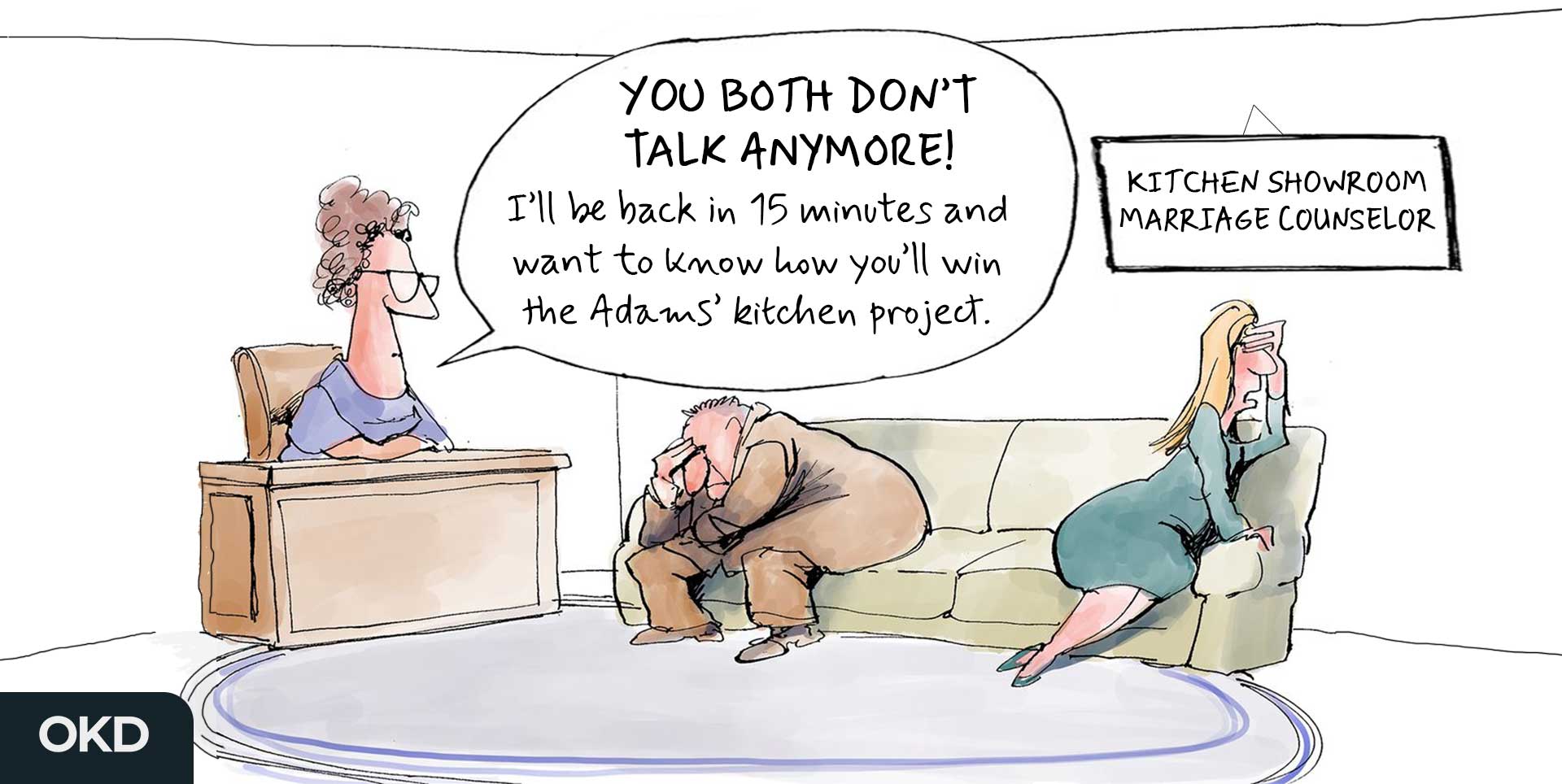
A lot can go wrong when the first kitchen consultation is too loose. Let’s say that someone calls in
A lot can go wrong when the first kitchen consultation is too loose. Let’s say that someone calls in
A lot can go wrong when the first kitchen consultation is too loose. Let’s say
Read More …
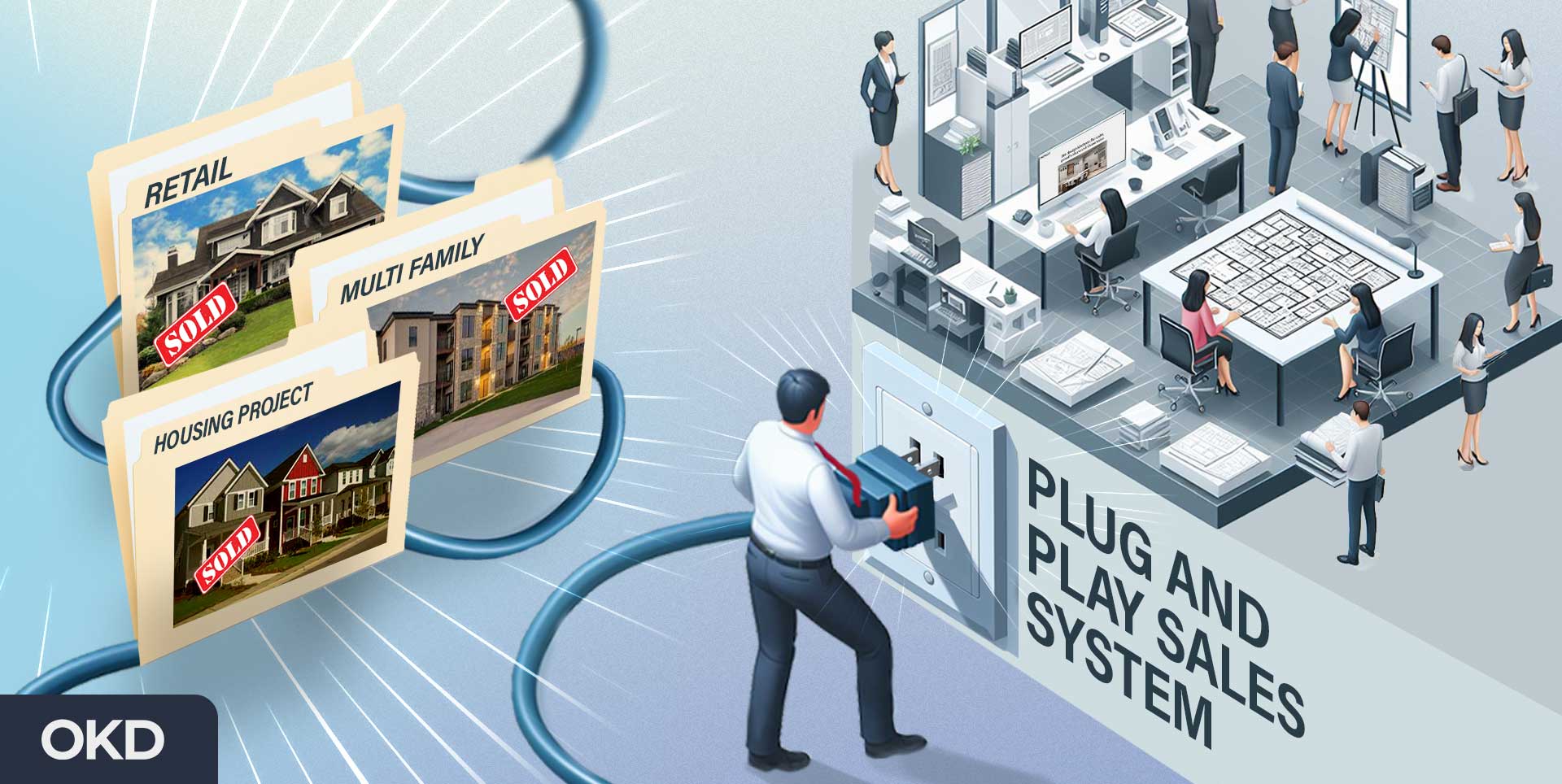
OKD’s plug-and-play system will get you kitchen sales you never considered. What do we mean by “Plug-and-Play”? In the tech
OKD’s plug-and-play system will get you kitchen sales you never considered. What do we mean by “Plug-and-Play”? In the tech
OKD’s plug-and-play system will get you kitchen sales you never considered. What do we mean by
Read More …

There’s an important shift happening in successful kitchen showroom designers and owners that are helping them scale; The traditional
There’s an important shift happening in successful kitchen showroom designers and owners that are helping them scale; The traditional
There’s an important shift happening in successful kitchen showroom designers and owners that are helping
Read More …
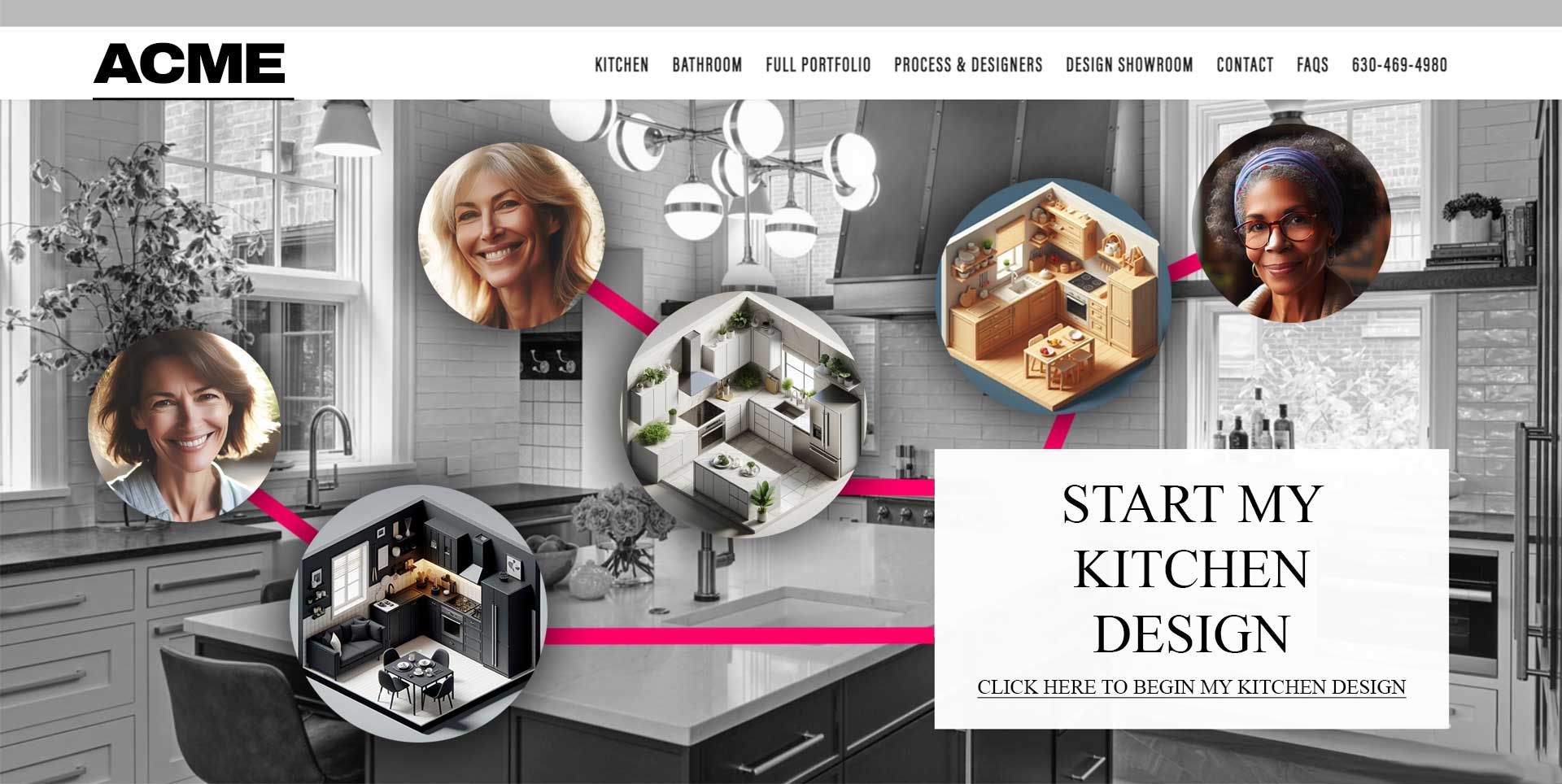
A customer is ready to move forward. The first conversation went well, the project looks promising, and the sales
A customer is ready to move forward. The first conversation went well, the project looks promising, and the sales
A customer is ready to move forward. The first conversation went well, the project looks
Read More …
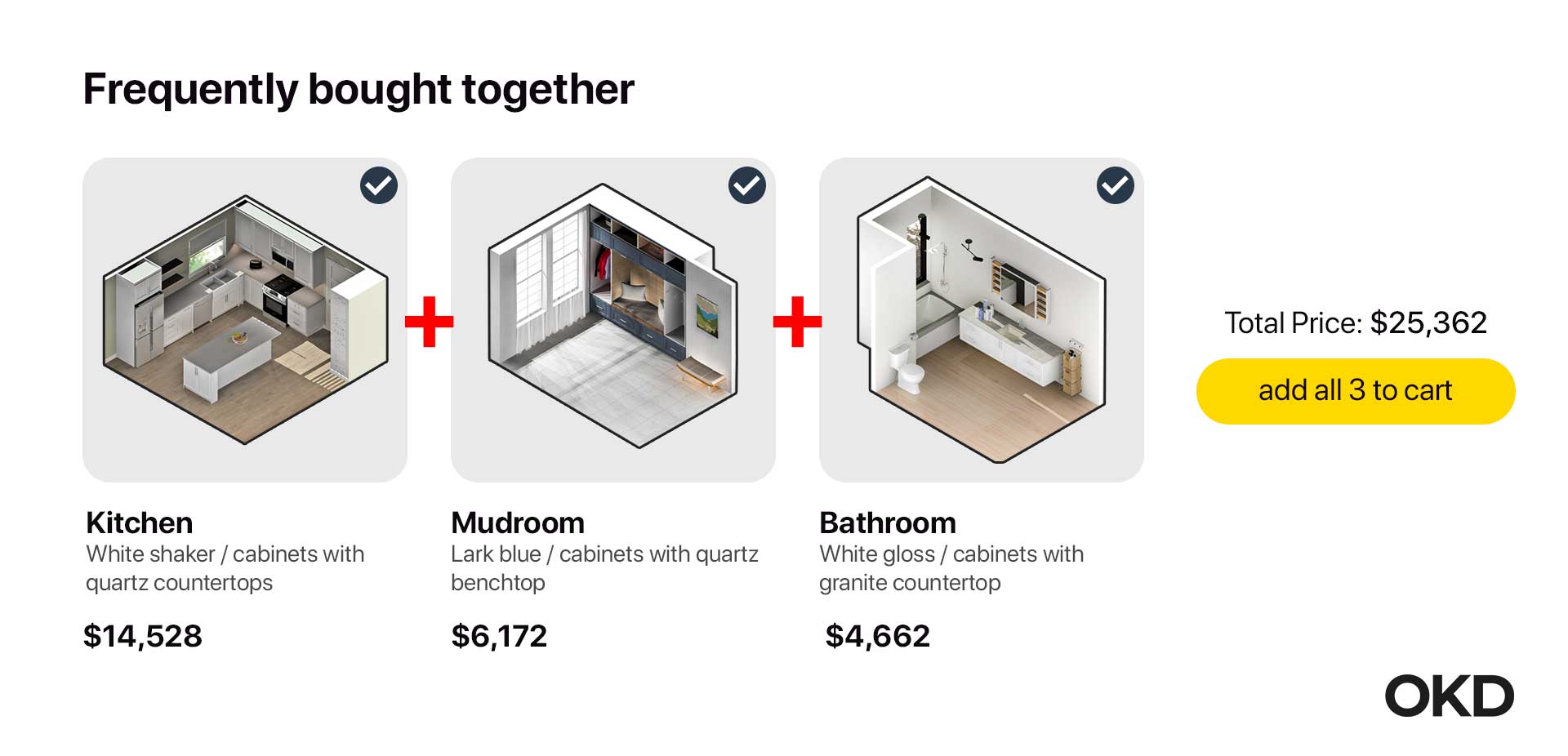
Increasing each customer’s contract amount (when mutually beneficial) can make or break a kitchen showroom.Showrooms that make it sell cabinets
Increasing each customer’s contract amount (when mutually beneficial) can make or break a kitchen showroom.Showrooms that make it sell cabinets
Increasing each customer’s contract amount (when mutually beneficial) can make or break a kitchen showroom.Showrooms that
Read More …
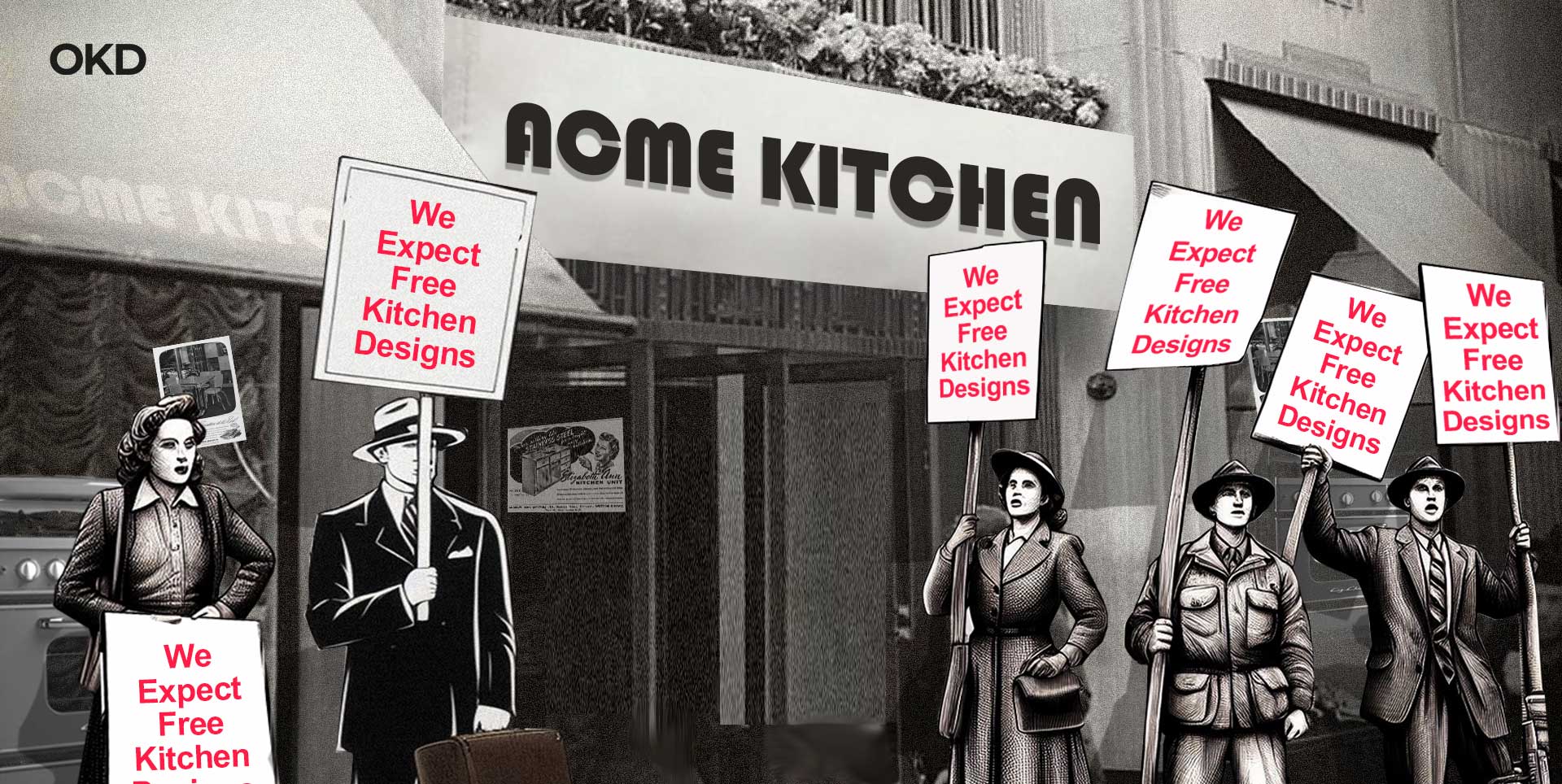
Have you ever dealt with ‘kitchen design/quote fatigue’? If you think the answer is no, but you feel exhausted
Have you ever dealt with ‘kitchen design/quote fatigue’? If you think the answer is no, but you feel exhausted
Have you ever dealt with ‘kitchen design/quote fatigue’? If you think the answer is no,
Read More …
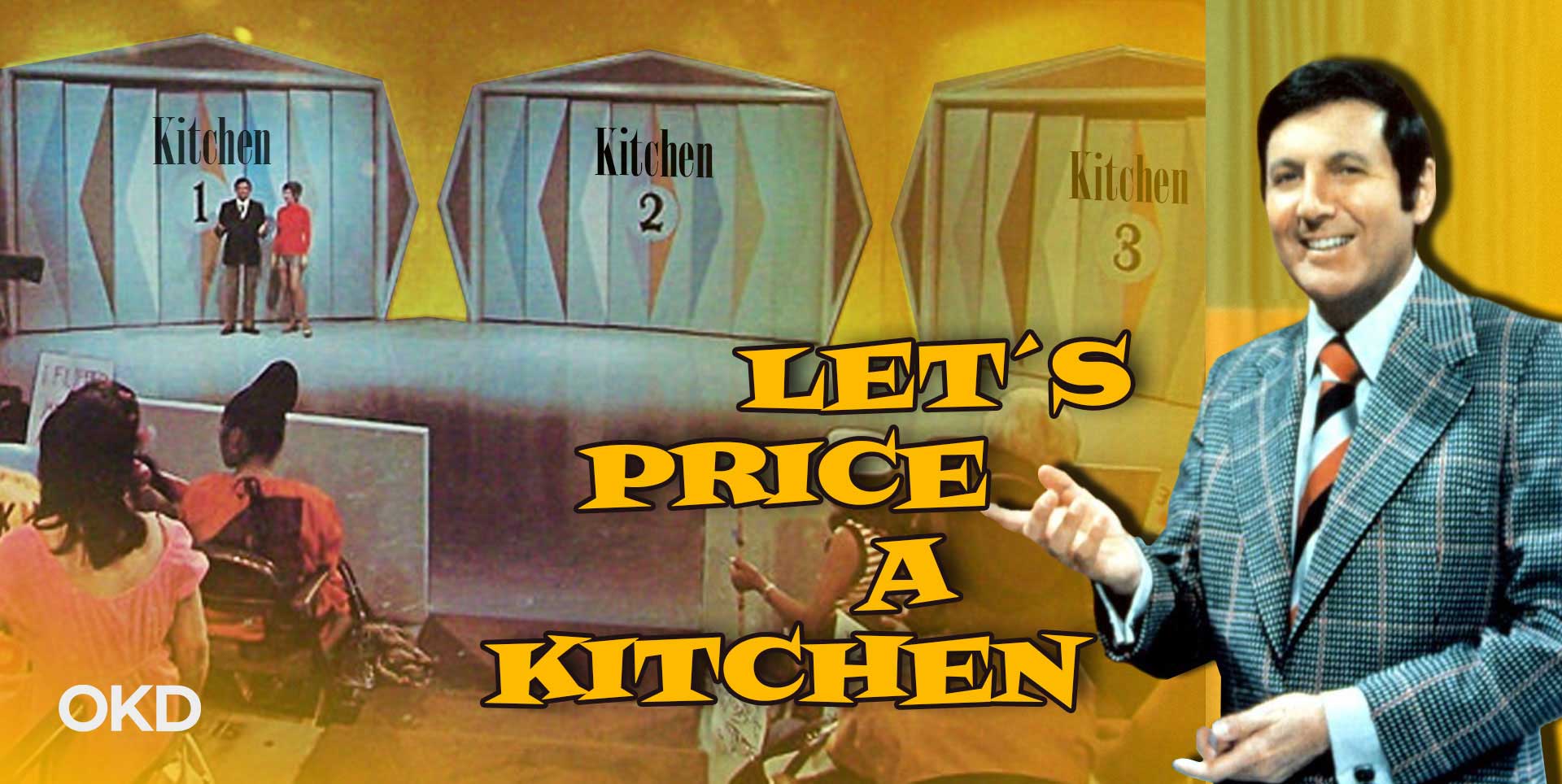
The kitchen business is full of showrooms eager to give away kitchen designs to pretty much anyone. It doesn’t
The kitchen business is full of showrooms eager to give away kitchen designs to pretty much anyone. It doesn’t
The kitchen business is full of showrooms eager to give away kitchen designs to pretty
Read More …
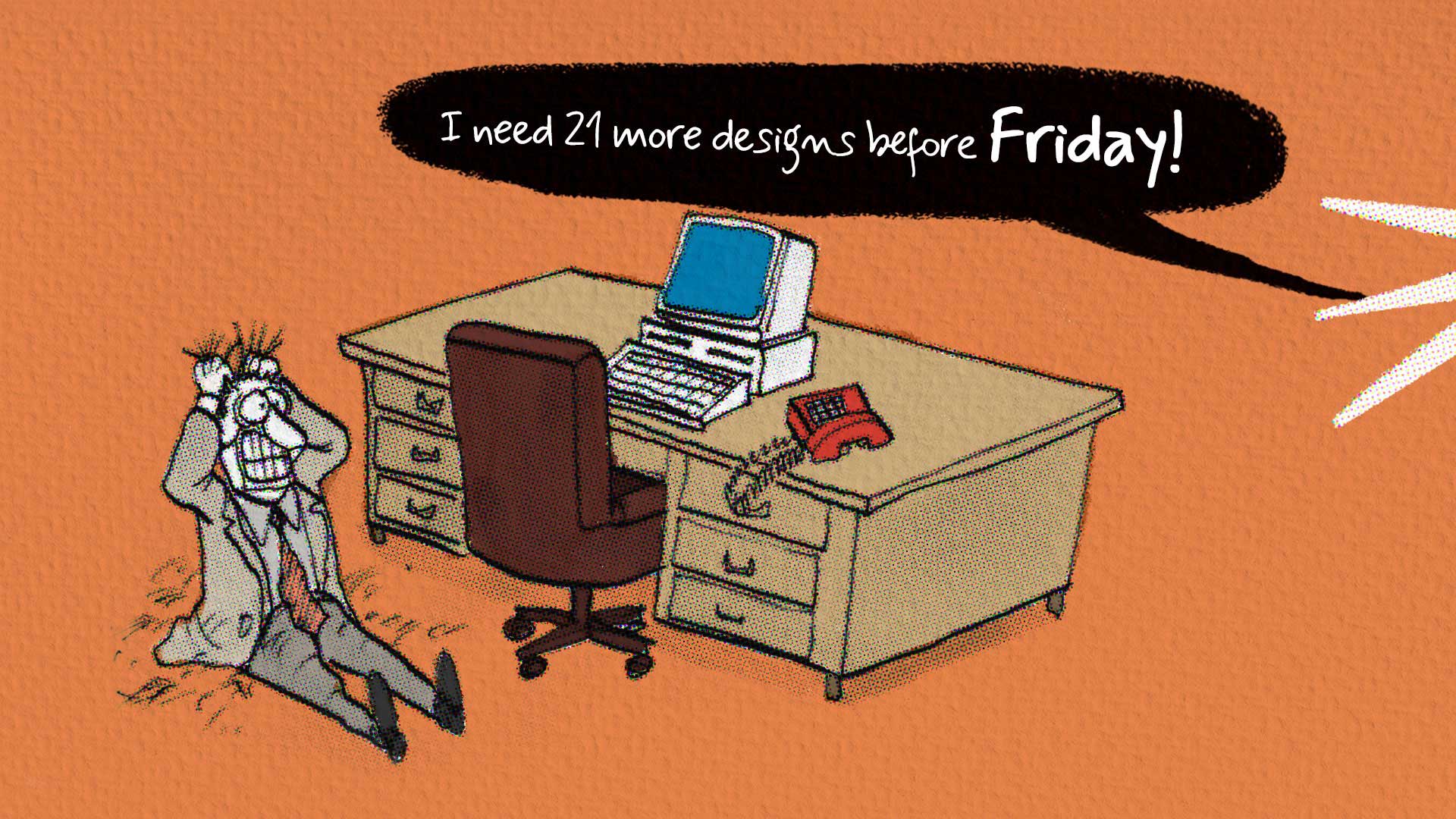
Today, I want to demonstrate how to free your kitchen showroom salespeople. Freeing them to do what comes naturally: sell
Today, I want to demonstrate how to free your kitchen showroom salespeople. Freeing them to do what comes naturally: sell
Today, I want to demonstrate how to free your kitchen showroom salespeople. Freeing them to do
Read More …
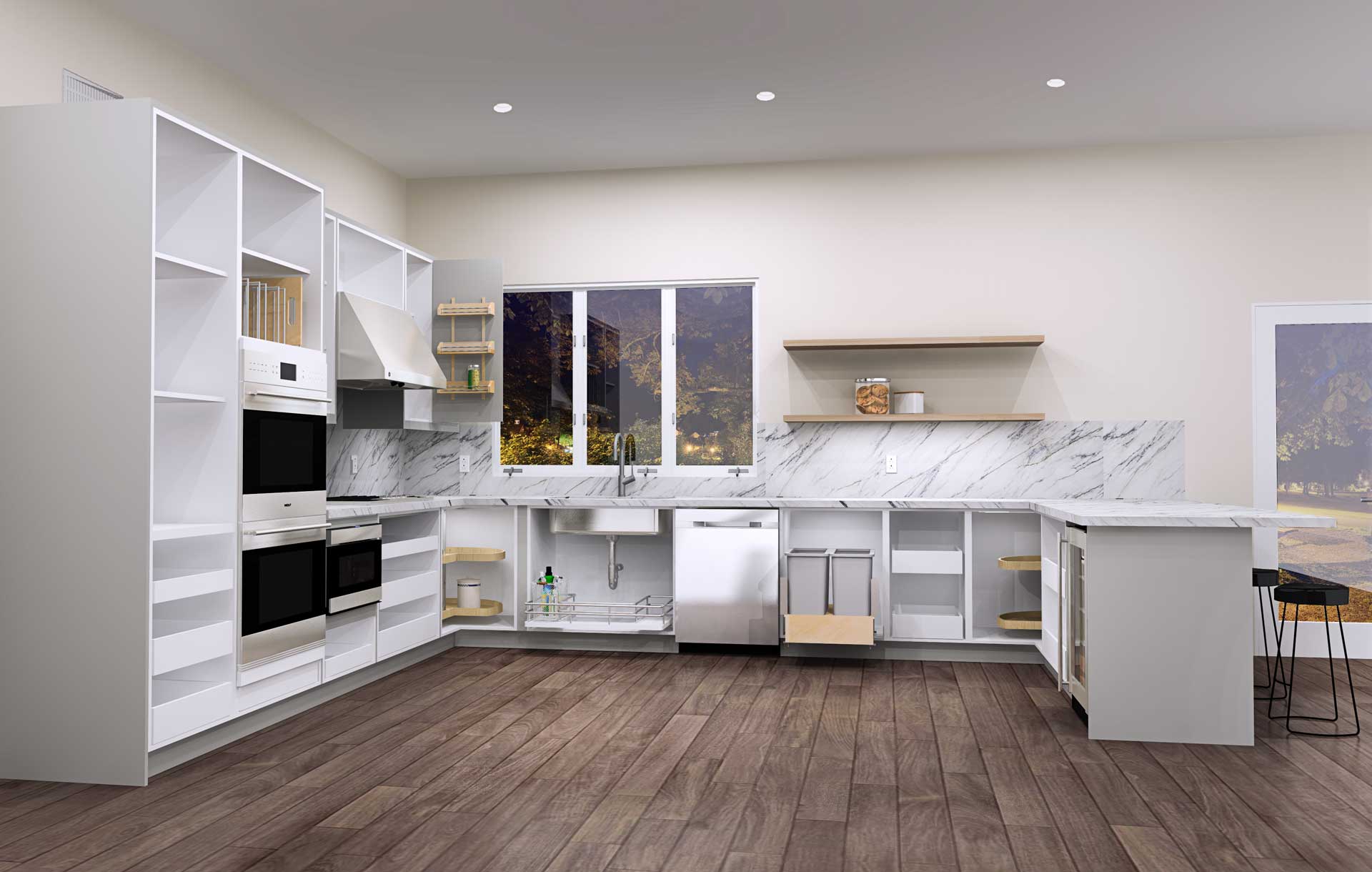
When dealing with potential kitchen customers, you’re not just selling cabinets – you're listening for the future. Listen closely
When dealing with potential kitchen customers, you’re not just selling cabinets – you're listening for the future. Listen closely
When dealing with potential kitchen customers, you’re not just selling cabinets – you're listening for
Read More …

It’s about getting more quotes to more potential customers In this article: Simple steps to boost kitchen showroom sales growth
It’s about getting more quotes to more potential customers In this article: Simple steps to boost kitchen showroom sales growth
It’s about getting more quotes to more potential customers In this article: Simple steps to boost
Read More …
For a lot of kitchen showrooms, cabinet dealers, and online sellers, quoting is where momentum starts to break down.
For a lot of kitchen showrooms, cabinet dealers, and online sellers, quoting is where momentum starts to break down.
For a lot of kitchen showrooms, cabinet dealers, and online sellers, quoting is where momentum
Read More …
A lot of kitchen and cabinet businesses hit the same point as they grow: sales stay busy, but designs
A lot of kitchen and cabinet businesses hit the same point as they grow: sales stay busy, but designs
A lot of kitchen and cabinet businesses hit the same point as they grow: sales
Read More …
A lot of kitchen and cabinet companies lose momentum between the first customer conversation and the point where the
A lot of kitchen and cabinet companies lose momentum between the first customer conversation and the point where the
A lot of kitchen and cabinet companies lose momentum between the first customer conversation and
Read More …
Revision loops are one of the easiest ways for kitchen showrooms, cabinet dealers, and design teams to lose margin
Revision loops are one of the easiest ways for kitchen showrooms, cabinet dealers, and design teams to lose margin
Revision loops are one of the easiest ways for kitchen showrooms, cabinet dealers, and design
Read More …
Backlogs do not usually start with one big problem. They build quietly. A few more leads come in than
Backlogs do not usually start with one big problem. They build quietly. A few more leads come in than
Backlogs do not usually start with one big problem. They build quietly. A few more
Read More …
Selling cabinets online sounds efficient on paper. More leads. Faster quoting. Fewer in-showroom meetings. Wider reach. But for many
Selling cabinets online sounds efficient on paper. More leads. Faster quoting. Fewer in-showroom meetings. Wider reach. But for many
Selling cabinets online sounds efficient on paper. More leads. Faster quoting. Fewer in-showroom meetings. Wider
Read More …
A lot of revision loops start before design even begins. Usually, it is not because the designer got it
A lot of revision loops start before design even begins. Usually, it is not because the designer got it
A lot of revision loops start before design even begins. Usually, it is not because
Read More …
Cabinet Genies boosts showroom sales with OKD design support Showrooms feeling stuck in the balance between sales and design
Cabinet Genies boosts showroom sales with OKD design support Showrooms feeling stuck in the balance between sales and design
Cabinet Genies boosts showroom sales with OKD design support Showrooms feeling stuck in the balance
Read More …
For any kitchen cabinet distributor needing to grow their business more efficiently, the solution is literally at your fingertips:
For any kitchen cabinet distributor needing to grow their business more efficiently, the solution is literally at your fingertips:
For any kitchen cabinet distributor needing to grow their business more efficiently, the solution is
Read More …
Not every kitchen lead is ready for design. Some are serious buyers with a real project, a clear timeline, and
Not every kitchen lead is ready for design. Some are serious buyers with a real project, a clear timeline, and
Not every kitchen lead is ready for design. Some are serious buyers with a real project,
Read More …
A kitchen showroom can seem like its leads are flowing, when in reality, there are roadblocks that keep it falling
A kitchen showroom can seem like its leads are flowing, when in reality, there are roadblocks that keep it falling
A kitchen showroom can seem like its leads are flowing, when in reality, there are roadblocks
Read More …
A concept design is one of the most useful tools a kitchen sales team can have when used the
A concept design is one of the most useful tools a kitchen sales team can have when used the
A concept design is one of the most useful tools a kitchen sales team can
Read More …
A lot can go wrong when the first kitchen consultation is too loose. Let’s say that someone calls in
A lot can go wrong when the first kitchen consultation is too loose. Let’s say that someone calls in
A lot can go wrong when the first kitchen consultation is too loose. Let’s say
Read More …
OKD’s plug-and-play system will get you kitchen sales you never considered. What do we mean by “Plug-and-Play”? In the tech
OKD’s plug-and-play system will get you kitchen sales you never considered. What do we mean by “Plug-and-Play”? In the tech
OKD’s plug-and-play system will get you kitchen sales you never considered. What do we mean by
Read More …
There’s an important shift happening in successful kitchen showroom designers and owners that are helping them scale; The traditional
There’s an important shift happening in successful kitchen showroom designers and owners that are helping them scale; The traditional
There’s an important shift happening in successful kitchen showroom designers and owners that are helping
Read More …
A customer is ready to move forward. The first conversation went well, the project looks promising, and the sales
A customer is ready to move forward. The first conversation went well, the project looks promising, and the sales
A customer is ready to move forward. The first conversation went well, the project looks
Read More …
Increasing each customer’s contract amount (when mutually beneficial) can make or break a kitchen showroom.Showrooms that make it sell cabinets
Increasing each customer’s contract amount (when mutually beneficial) can make or break a kitchen showroom.Showrooms that make it sell cabinets
Increasing each customer’s contract amount (when mutually beneficial) can make or break a kitchen showroom.Showrooms that
Read More …
Have you ever dealt with ‘kitchen design/quote fatigue’? If you think the answer is no, but you feel exhausted
Have you ever dealt with ‘kitchen design/quote fatigue’? If you think the answer is no, but you feel exhausted
Have you ever dealt with ‘kitchen design/quote fatigue’? If you think the answer is no,
Read More …
The kitchen business is full of showrooms eager to give away kitchen designs to pretty much anyone. It doesn’t
The kitchen business is full of showrooms eager to give away kitchen designs to pretty much anyone. It doesn’t
The kitchen business is full of showrooms eager to give away kitchen designs to pretty
Read More …
Today, I want to demonstrate how to free your kitchen showroom salespeople. Freeing them to do what comes naturally: sell
Today, I want to demonstrate how to free your kitchen showroom salespeople. Freeing them to do what comes naturally: sell
Today, I want to demonstrate how to free your kitchen showroom salespeople. Freeing them to do
Read More …
When dealing with potential kitchen customers, you’re not just selling cabinets – you're listening for the future. Listen closely
When dealing with potential kitchen customers, you’re not just selling cabinets – you're listening for the future. Listen closely
When dealing with potential kitchen customers, you’re not just selling cabinets – you're listening for
Read More …
It’s about getting more quotes to more potential customers In this article: Simple steps to boost kitchen showroom sales growth
It’s about getting more quotes to more potential customers In this article: Simple steps to boost kitchen showroom sales growth
It’s about getting more quotes to more potential customers In this article: Simple steps to boost
Read More …