
A kitchen showroom can seem like its leads are flowing, when in reality, there are roadblocks that keep it falling behind.
You may recognize this: Sales are coming in. Customers are asking for revisions. Designers are working hard. Quotes are still going out. But somehow, turnaround keeps slipping. Everyone stays stressed about things happening on time, no matter how much work is put in. Projects are sitting in the queue longer than they should. Follow-ups are delayed. A few promising opportunities start cooling off before pricing even gets in front of the customer.
That is usually not just a workload problem. It is a design capacity problem. It’s not just a buzzword: it’s a real thing. The good news about it being real? You can do something to fix it.
The good news is that kitchen showroom design capacity can be measured. And once it is measured, it becomes much easier to improve.
What is “design capacity” in plain terms?
For many showrooms, “design capacity” feels like one of those things everyone talks about but no one measures clearly. You know when your team is overwhelmed, but it’s not easy to say exactly why it keeps happening, what is causing the bottleneck, and when–or how–to change the process.
In simple terms, design capacity is how much design work your showroom can realistically complete in a given period of time without sacrificing quality or slowing down the sales process.
That includes more than just creating layouts. In a real showroom environment, design work also includes revisions, customer changes, product updates, internal handoffs, quote prep, and all the small decisions that keep a project moving. That is why many teams feel busy even when their actual design throughput is not where it needs to be.
A good way to think about kitchen showroom design capacity is this: how many active design requests can your team handle well, at the speed your sales process requires?
If the answer is lower than demand, backlog starts building. If backlog builds, cycle time gets longer. If cycle time gets longer, quoting slows down. And when quoting slows down, sales momentum starts to slip.
That is why capacity matters so much. It is not just an internal operations metric. It directly affects customer experience, close rates, and how much revenue your showroom can move through the pipeline.
How do you know when you’re at capacity?
Most showrooms do not hit capacity all at once. It usually shows up in patterns first.
One of the clearest warning signs is a growing kitchen design backlog. If new requests are coming in faster than completed designs are going out, that backlog will keep expanding even if the team is working flat out. Another sign is rising cycle time, meaning the total time between intake and a design being ready to quote or present. Even a small increase here can create a noticeable slowdown across the pipeline.
Revision load is another major indicator. When designers spend most of their time reworking existing jobs instead of moving new ones forward, throughput drops. This is often where teams feel busy but struggle to see progress. The team is producing work, but not enough net-new work is getting over the line.
A few simple metrics can make design capacity much more concrete:
- Design backlog: How many jobs are currently waiting to be started or completed?
- Design throughput: How many designs are completed in a week?
- Cycle time: How long does it take for a project to move from intake to quote-ready design?
- Revision rate: How many revision rounds does the average project need before it is ready?
- Time to first concept: How long does it take a customer to receive the first usable version?
These numbers do not need to be perfect to be useful. Even basic tracking can help a showroom spot whether the issue is volume, revisions, slow intake, or inconsistent workflow.
You may already be at capacity if designers are regularly rushing, salespeople are waiting too long for updates, jobs are sitting in queue for days, or revision cycles are eating up more time than new design creation. Those are all signs the team is not just busy. It is constrained.
Turning capacity into growth: How do you solve this problem?
Once you can see the problem more clearly, the next step is improving how work moves through the showroom.
The first place to look is intake quality. Poor measurements, incomplete project notes, unclear customer preferences, and inconsistent handoffs all create rework later. A cleaner intake process helps reduce revision cycles and shortens overall cycle time before any extra resources are added.
The second place to look is standardization. If every designer is starting from scratch, formatting packages differently, or handling revisions in their own way, throughput becomes harder to manage. Standard templates, clear deliverable expectations, and a more consistent revision workflow make it easier to move work faster without lowering quality.
Third is to separate design stages more clearly. Not every opportunity needs a fully detailed package right away. In some showrooms, early-stage concept work can be handled differently than quote-ready design or final revision rounds. That creates a more efficient flow and helps teams prioritize the work that keeps sales moving.
Finally, you want to be honest about visibility. If no one can easily see how many jobs are in progress, how long they have been sitting, or where the bottleneck is forming, the team ends up reacting instead of managing capacity intentionally. Even simple tracking can improve decision-making.
The goal is not to squeeze more work out of the same process. It is to build a better process so the team can handle demand with less friction.
When does outsourcing become the best lever?
There is a point where process improvements help, but they are not enough on their own.
If your showroom has cleaned up intake, improved consistency, and still struggles with backlog, long turnaround times, or revision overload, then outsourcing may be the most practical next step. That is especially true when demand is growing but hiring does not make sense yet, or when busy periods are inconsistent enough that adding full-time headcount feels risky.
Outsourcing becomes a strong lever when your internal team is spending too much time buried in production work and not enough time supporting the sales experience. It is also valuable when quoting delays are starting to affect close rates, customer communication, or the ability to respond quickly to new leads.
A strong outsourced kitchen design partner does not just take drawings off your plate. They help expand design throughput, reduce kitchen design backlog, and create more breathing room for the team you already have. That means internal staff can stay focused on customer-facing work while overflow production, revisions, or quote-ready packages keep moving in the background.
For many showrooms, outsourcing is not about replacing the internal team. It is about protecting it and making growth more manageable.
FAQs
What causes revision overload?
Revision overload usually comes from a mix of incomplete intake, unclear customer expectations, inconsistent design standards, and too many changes happening late in the process. When the first version is built on missing or unclear information, more rounds of rework follow. Reducing revision overload starts with better handoffs, clearer scope, and a more structured revision process.
What’s a reasonable turnaround time?
A reasonable turnaround time depends on the complexity of the project and the level of detail required. What matters most is consistency. If designs are sitting too long before first review, or if quote-ready packages take longer than your sales cycle can support, capacity is likely becoming a problem. The best benchmark is whether your current turnaround supports fast customer follow-up and steady quoting.
How do you reduce cycle time without hiring?
Start by improving intake quality, standardizing deliverables, and tightening your revision workflow. You can also separate early-stage concepts from later-stage detailed work so the team is not overbuilding too early. If those changes are still not enough, outsourced support can help reduce cycle time without the cost or commitment of adding more in-house staff.
Contact OKD to learn more
If your showroom is feeling the strain of growing design demand, OKD can help. Contact OKD to learn how outsourced kitchen design support can help you reduce backlog, improve design throughput, and keep quotes moving without adding more pressure to your internal team.
Business tips from the OKD team
Business tips from
the OKD team


For a lot of kitchen showrooms, cabinet dealers, and online sellers, quoting is where momentum starts to break down.
For a lot of kitchen showrooms, cabinet dealers, and online sellers, quoting is where momentum starts to break down.
For a lot of kitchen showrooms, cabinet dealers, and online sellers, quoting is where momentum
Read More …

A lot of kitchen and cabinet businesses hit the same point as they grow: sales stay busy, but designs
A lot of kitchen and cabinet businesses hit the same point as they grow: sales stay busy, but designs
A lot of kitchen and cabinet businesses hit the same point as they grow: sales
Read More …
A lot of kitchen and cabinet companies lose momentum between the first customer conversation and the point where the
A lot of kitchen and cabinet companies lose momentum between the first customer conversation and the point where the
A lot of kitchen and cabinet companies lose momentum between the first customer conversation and
Read More …

Revision loops are one of the easiest ways for kitchen showrooms, cabinet dealers, and design teams to lose margin
Revision loops are one of the easiest ways for kitchen showrooms, cabinet dealers, and design teams to lose margin
Revision loops are one of the easiest ways for kitchen showrooms, cabinet dealers, and design
Read More …
Backlogs do not usually start with one big problem. They build quietly. A few more leads come in than
Backlogs do not usually start with one big problem. They build quietly. A few more leads come in than
Backlogs do not usually start with one big problem. They build quietly. A few more
Read More …

Selling cabinets online sounds efficient on paper. More leads. Faster quoting. Fewer in-showroom meetings. Wider reach. But for many
Selling cabinets online sounds efficient on paper. More leads. Faster quoting. Fewer in-showroom meetings. Wider reach. But for many
Selling cabinets online sounds efficient on paper. More leads. Faster quoting. Fewer in-showroom meetings. Wider
Read More …

A lot of revision loops start before design even begins. Usually, it is not because the designer got it
A lot of revision loops start before design even begins. Usually, it is not because the designer got it
A lot of revision loops start before design even begins. Usually, it is not because
Read More …

Cabinet Genies boosts showroom sales with OKD design support Showrooms feeling stuck in the balance between sales and design
Cabinet Genies boosts showroom sales with OKD design support Showrooms feeling stuck in the balance between sales and design
Cabinet Genies boosts showroom sales with OKD design support Showrooms feeling stuck in the balance
Read More …

For any kitchen cabinet distributor needing to grow their business more efficiently, the solution is literally at your fingertips:
For any kitchen cabinet distributor needing to grow their business more efficiently, the solution is literally at your fingertips:
For any kitchen cabinet distributor needing to grow their business more efficiently, the solution is
Read More …

Not every kitchen lead is ready for design. Some are serious buyers with a real project, a clear timeline, and
Not every kitchen lead is ready for design. Some are serious buyers with a real project, a clear timeline, and
Not every kitchen lead is ready for design. Some are serious buyers with a real project,
Read More …

A kitchen showroom can seem like its leads are flowing, when in reality, there are roadblocks that keep it falling
A kitchen showroom can seem like its leads are flowing, when in reality, there are roadblocks that keep it falling
A kitchen showroom can seem like its leads are flowing, when in reality, there are roadblocks
Read More …
A concept design is one of the most useful tools a kitchen sales team can have when used the
A concept design is one of the most useful tools a kitchen sales team can have when used the
A concept design is one of the most useful tools a kitchen sales team can
Read More …
A lot can go wrong when the first kitchen consultation is too loose. Let’s say that someone calls in
A lot can go wrong when the first kitchen consultation is too loose. Let’s say that someone calls in
A lot can go wrong when the first kitchen consultation is too loose. Let’s say
Read More …

OKD’s plug-and-play system will get you kitchen sales you never considered. What do we mean by “Plug-and-Play”? In the tech
OKD’s plug-and-play system will get you kitchen sales you never considered. What do we mean by “Plug-and-Play”? In the tech
OKD’s plug-and-play system will get you kitchen sales you never considered. What do we mean by
Read More …

There’s an important shift happening in successful kitchen showroom designers and owners that are helping them scale; The traditional
There’s an important shift happening in successful kitchen showroom designers and owners that are helping them scale; The traditional
There’s an important shift happening in successful kitchen showroom designers and owners that are helping
Read More …
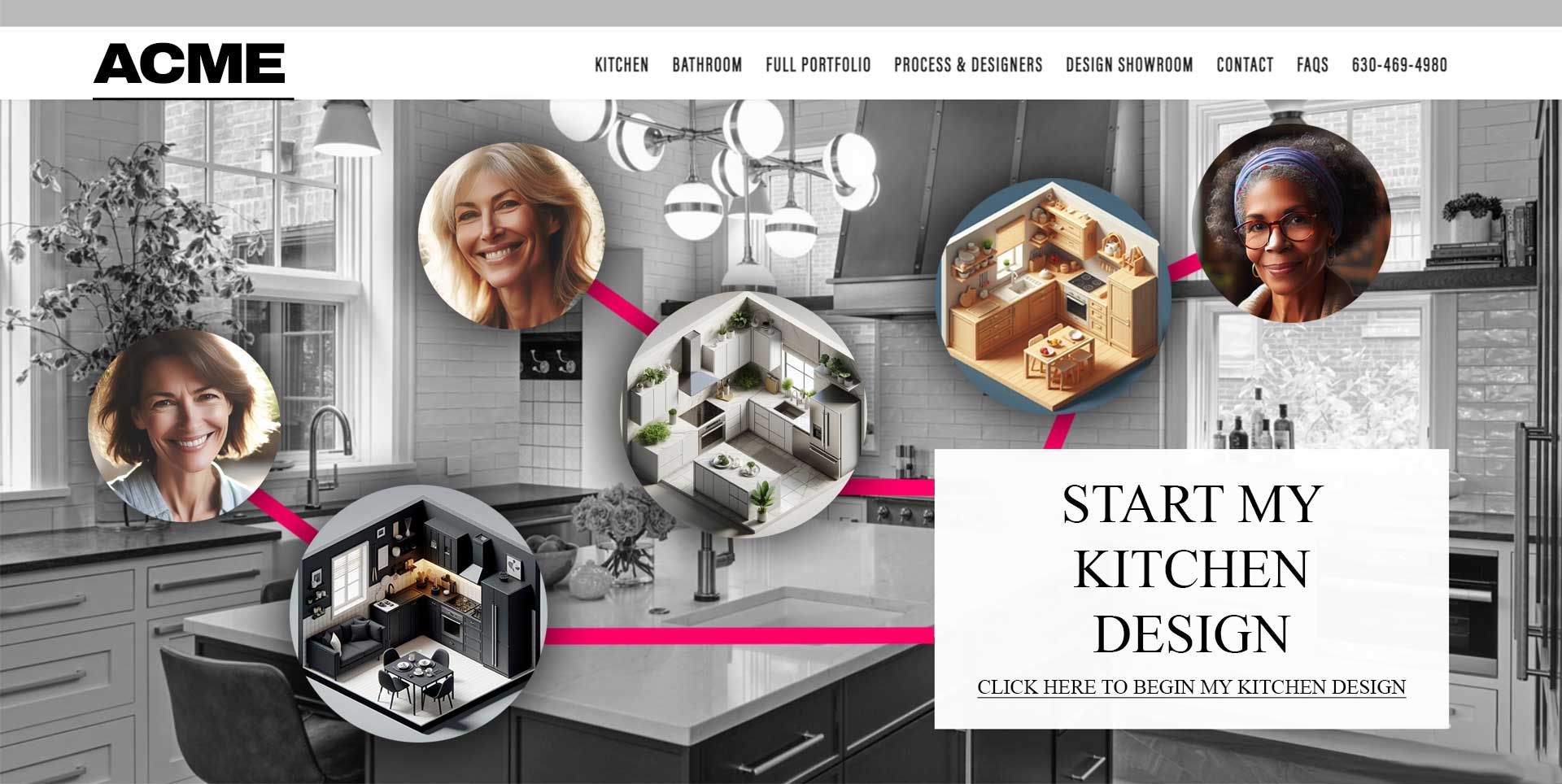
A customer is ready to move forward. The first conversation went well, the project looks promising, and the sales
A customer is ready to move forward. The first conversation went well, the project looks promising, and the sales
A customer is ready to move forward. The first conversation went well, the project looks
Read More …
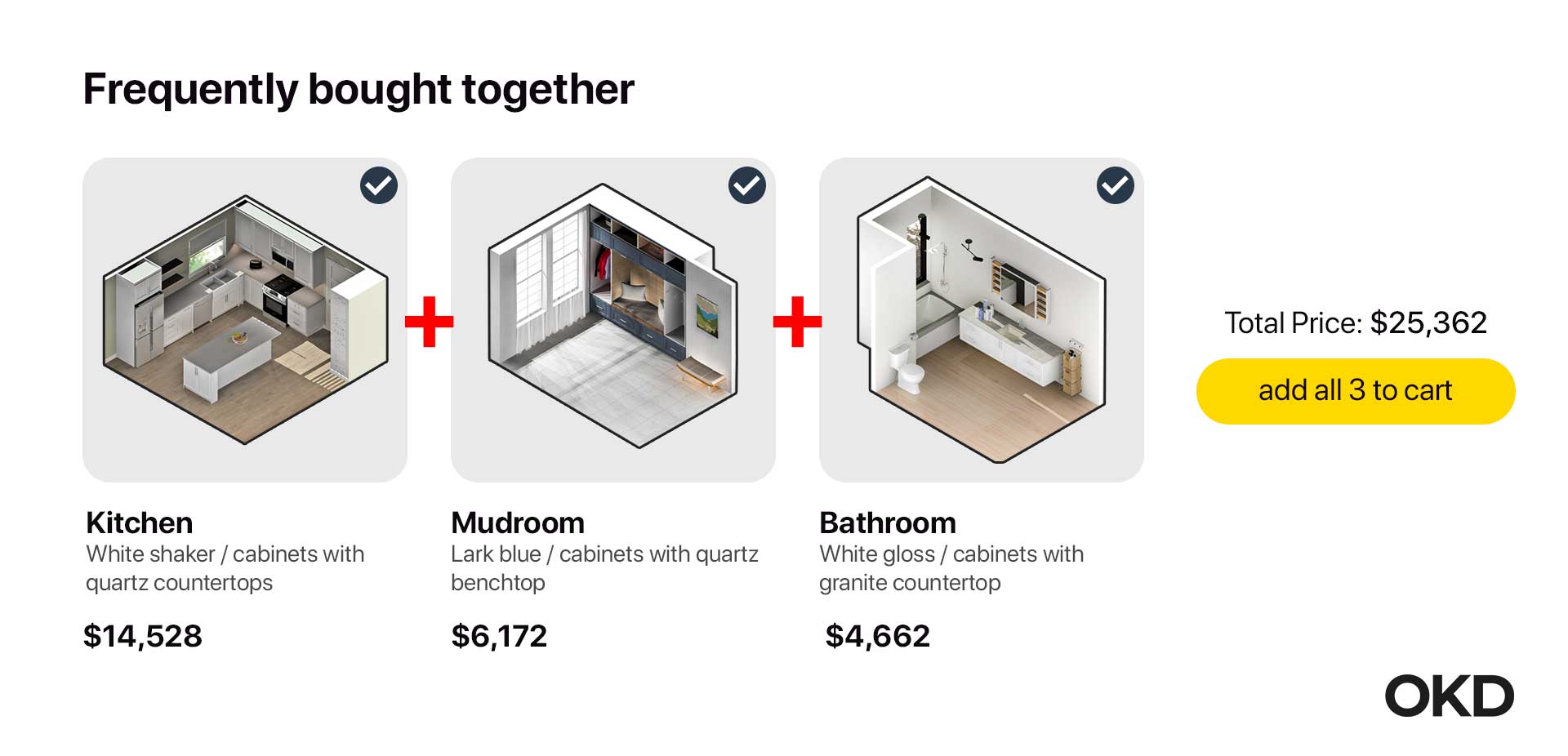
Increasing each customer’s contract amount (when mutually beneficial) can make or break a kitchen showroom.Showrooms that make it sell cabinets
Increasing each customer’s contract amount (when mutually beneficial) can make or break a kitchen showroom.Showrooms that make it sell cabinets
Increasing each customer’s contract amount (when mutually beneficial) can make or break a kitchen showroom.Showrooms that
Read More …
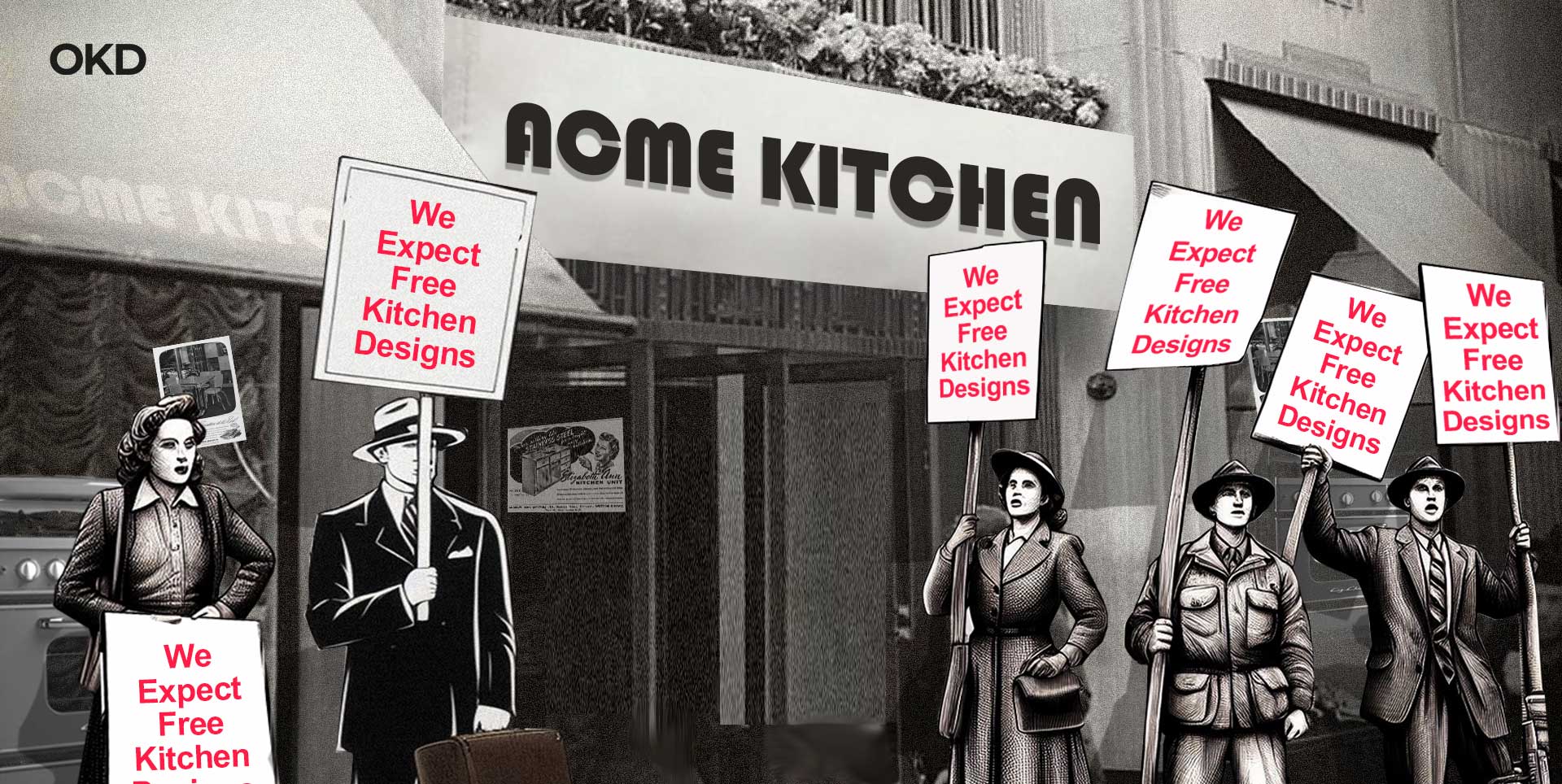
Have you ever dealt with ‘kitchen design/quote fatigue’? If you think the answer is no, but you feel exhausted
Have you ever dealt with ‘kitchen design/quote fatigue’? If you think the answer is no, but you feel exhausted
Have you ever dealt with ‘kitchen design/quote fatigue’? If you think the answer is no,
Read More …

The kitchen business is full of showrooms eager to give away kitchen designs to pretty much anyone. It doesn’t
The kitchen business is full of showrooms eager to give away kitchen designs to pretty much anyone. It doesn’t
The kitchen business is full of showrooms eager to give away kitchen designs to pretty
Read More …
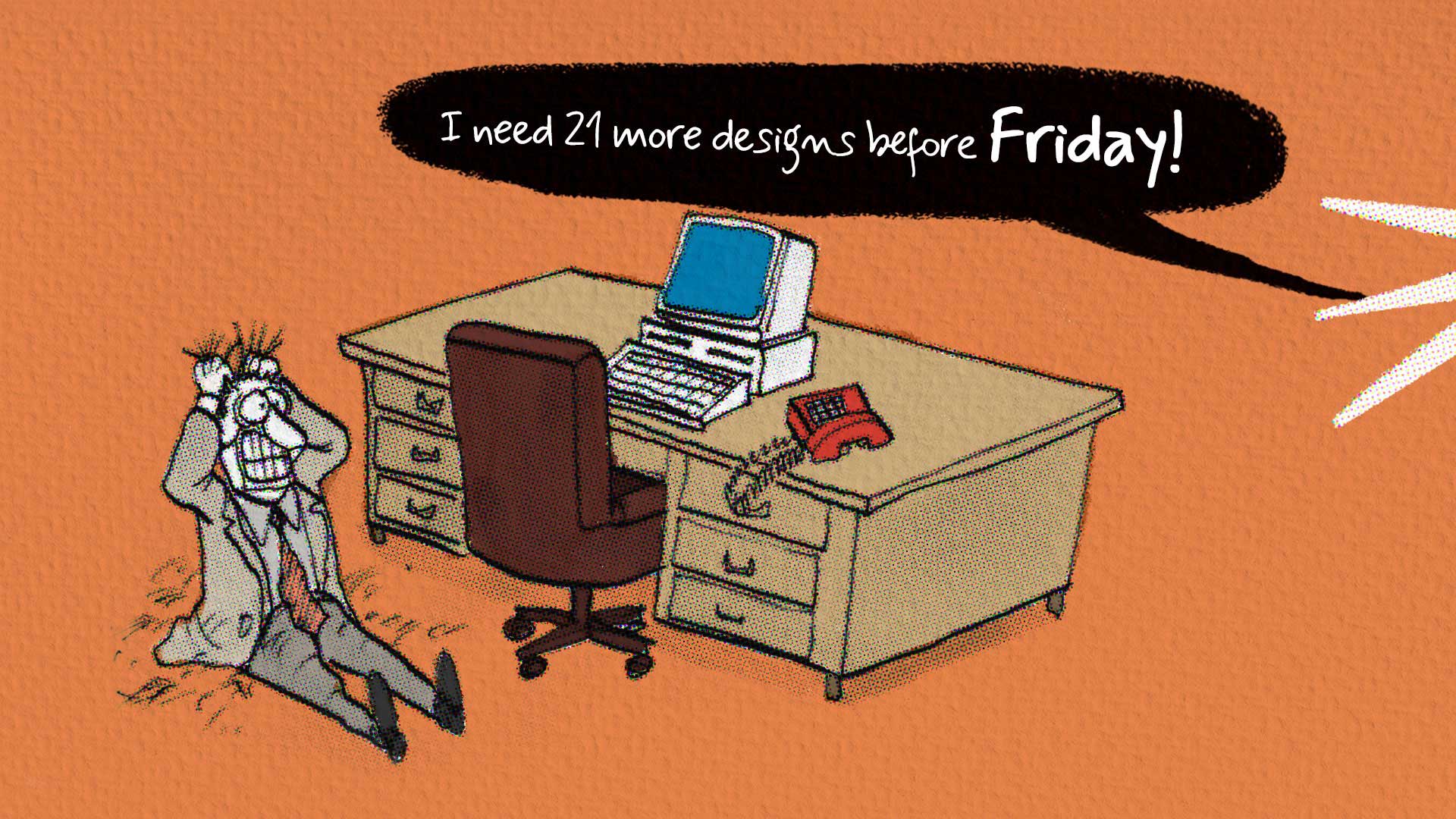
Today, I want to demonstrate how to free your kitchen showroom salespeople. Freeing them to do what comes naturally: sell
Today, I want to demonstrate how to free your kitchen showroom salespeople. Freeing them to do what comes naturally: sell
Today, I want to demonstrate how to free your kitchen showroom salespeople. Freeing them to do
Read More …
When dealing with potential kitchen customers, you’re not just selling cabinets – you're listening for the future. Listen closely
When dealing with potential kitchen customers, you’re not just selling cabinets – you're listening for the future. Listen closely
When dealing with potential kitchen customers, you’re not just selling cabinets – you're listening for
Read More …

It’s about getting more quotes to more potential customers In this article: Simple steps to boost kitchen showroom sales growth
It’s about getting more quotes to more potential customers In this article: Simple steps to boost kitchen showroom sales growth
It’s about getting more quotes to more potential customers In this article: Simple steps to boost
Read More …
For a lot of kitchen showrooms, cabinet dealers, and online sellers, quoting is where momentum starts to break down.
For a lot of kitchen showrooms, cabinet dealers, and online sellers, quoting is where momentum starts to break down.
For a lot of kitchen showrooms, cabinet dealers, and online sellers, quoting is where momentum
Read More …
A lot of kitchen and cabinet businesses hit the same point as they grow: sales stay busy, but designs
A lot of kitchen and cabinet businesses hit the same point as they grow: sales stay busy, but designs
A lot of kitchen and cabinet businesses hit the same point as they grow: sales
Read More …
A lot of kitchen and cabinet companies lose momentum between the first customer conversation and the point where the
A lot of kitchen and cabinet companies lose momentum between the first customer conversation and the point where the
A lot of kitchen and cabinet companies lose momentum between the first customer conversation and
Read More …
Revision loops are one of the easiest ways for kitchen showrooms, cabinet dealers, and design teams to lose margin
Revision loops are one of the easiest ways for kitchen showrooms, cabinet dealers, and design teams to lose margin
Revision loops are one of the easiest ways for kitchen showrooms, cabinet dealers, and design
Read More …
Backlogs do not usually start with one big problem. They build quietly. A few more leads come in than
Backlogs do not usually start with one big problem. They build quietly. A few more leads come in than
Backlogs do not usually start with one big problem. They build quietly. A few more
Read More …
Selling cabinets online sounds efficient on paper. More leads. Faster quoting. Fewer in-showroom meetings. Wider reach. But for many
Selling cabinets online sounds efficient on paper. More leads. Faster quoting. Fewer in-showroom meetings. Wider reach. But for many
Selling cabinets online sounds efficient on paper. More leads. Faster quoting. Fewer in-showroom meetings. Wider
Read More …
A lot of revision loops start before design even begins. Usually, it is not because the designer got it
A lot of revision loops start before design even begins. Usually, it is not because the designer got it
A lot of revision loops start before design even begins. Usually, it is not because
Read More …
Cabinet Genies boosts showroom sales with OKD design support Showrooms feeling stuck in the balance between sales and design
Cabinet Genies boosts showroom sales with OKD design support Showrooms feeling stuck in the balance between sales and design
Cabinet Genies boosts showroom sales with OKD design support Showrooms feeling stuck in the balance
Read More …
For any kitchen cabinet distributor needing to grow their business more efficiently, the solution is literally at your fingertips:
For any kitchen cabinet distributor needing to grow their business more efficiently, the solution is literally at your fingertips:
For any kitchen cabinet distributor needing to grow their business more efficiently, the solution is
Read More …
Not every kitchen lead is ready for design. Some are serious buyers with a real project, a clear timeline, and
Not every kitchen lead is ready for design. Some are serious buyers with a real project, a clear timeline, and
Not every kitchen lead is ready for design. Some are serious buyers with a real project,
Read More …
A kitchen showroom can seem like its leads are flowing, when in reality, there are roadblocks that keep it falling
A kitchen showroom can seem like its leads are flowing, when in reality, there are roadblocks that keep it falling
A kitchen showroom can seem like its leads are flowing, when in reality, there are roadblocks
Read More …
A concept design is one of the most useful tools a kitchen sales team can have when used the
A concept design is one of the most useful tools a kitchen sales team can have when used the
A concept design is one of the most useful tools a kitchen sales team can
Read More …
A lot can go wrong when the first kitchen consultation is too loose. Let’s say that someone calls in
A lot can go wrong when the first kitchen consultation is too loose. Let’s say that someone calls in
A lot can go wrong when the first kitchen consultation is too loose. Let’s say
Read More …
OKD’s plug-and-play system will get you kitchen sales you never considered. What do we mean by “Plug-and-Play”? In the tech
OKD’s plug-and-play system will get you kitchen sales you never considered. What do we mean by “Plug-and-Play”? In the tech
OKD’s plug-and-play system will get you kitchen sales you never considered. What do we mean by
Read More …
There’s an important shift happening in successful kitchen showroom designers and owners that are helping them scale; The traditional
There’s an important shift happening in successful kitchen showroom designers and owners that are helping them scale; The traditional
There’s an important shift happening in successful kitchen showroom designers and owners that are helping
Read More …
A customer is ready to move forward. The first conversation went well, the project looks promising, and the sales
A customer is ready to move forward. The first conversation went well, the project looks promising, and the sales
A customer is ready to move forward. The first conversation went well, the project looks
Read More …
Increasing each customer’s contract amount (when mutually beneficial) can make or break a kitchen showroom.Showrooms that make it sell cabinets
Increasing each customer’s contract amount (when mutually beneficial) can make or break a kitchen showroom.Showrooms that make it sell cabinets
Increasing each customer’s contract amount (when mutually beneficial) can make or break a kitchen showroom.Showrooms that
Read More …
Have you ever dealt with ‘kitchen design/quote fatigue’? If you think the answer is no, but you feel exhausted
Have you ever dealt with ‘kitchen design/quote fatigue’? If you think the answer is no, but you feel exhausted
Have you ever dealt with ‘kitchen design/quote fatigue’? If you think the answer is no,
Read More …
The kitchen business is full of showrooms eager to give away kitchen designs to pretty much anyone. It doesn’t
The kitchen business is full of showrooms eager to give away kitchen designs to pretty much anyone. It doesn’t
The kitchen business is full of showrooms eager to give away kitchen designs to pretty
Read More …
Today, I want to demonstrate how to free your kitchen showroom salespeople. Freeing them to do what comes naturally: sell
Today, I want to demonstrate how to free your kitchen showroom salespeople. Freeing them to do what comes naturally: sell
Today, I want to demonstrate how to free your kitchen showroom salespeople. Freeing them to do
Read More …
When dealing with potential kitchen customers, you’re not just selling cabinets – you're listening for the future. Listen closely
When dealing with potential kitchen customers, you’re not just selling cabinets – you're listening for the future. Listen closely
When dealing with potential kitchen customers, you’re not just selling cabinets – you're listening for
Read More …
It’s about getting more quotes to more potential customers In this article: Simple steps to boost kitchen showroom sales growth
It’s about getting more quotes to more potential customers In this article: Simple steps to boost kitchen showroom sales growth
It’s about getting more quotes to more potential customers In this article: Simple steps to boost
Read More …