
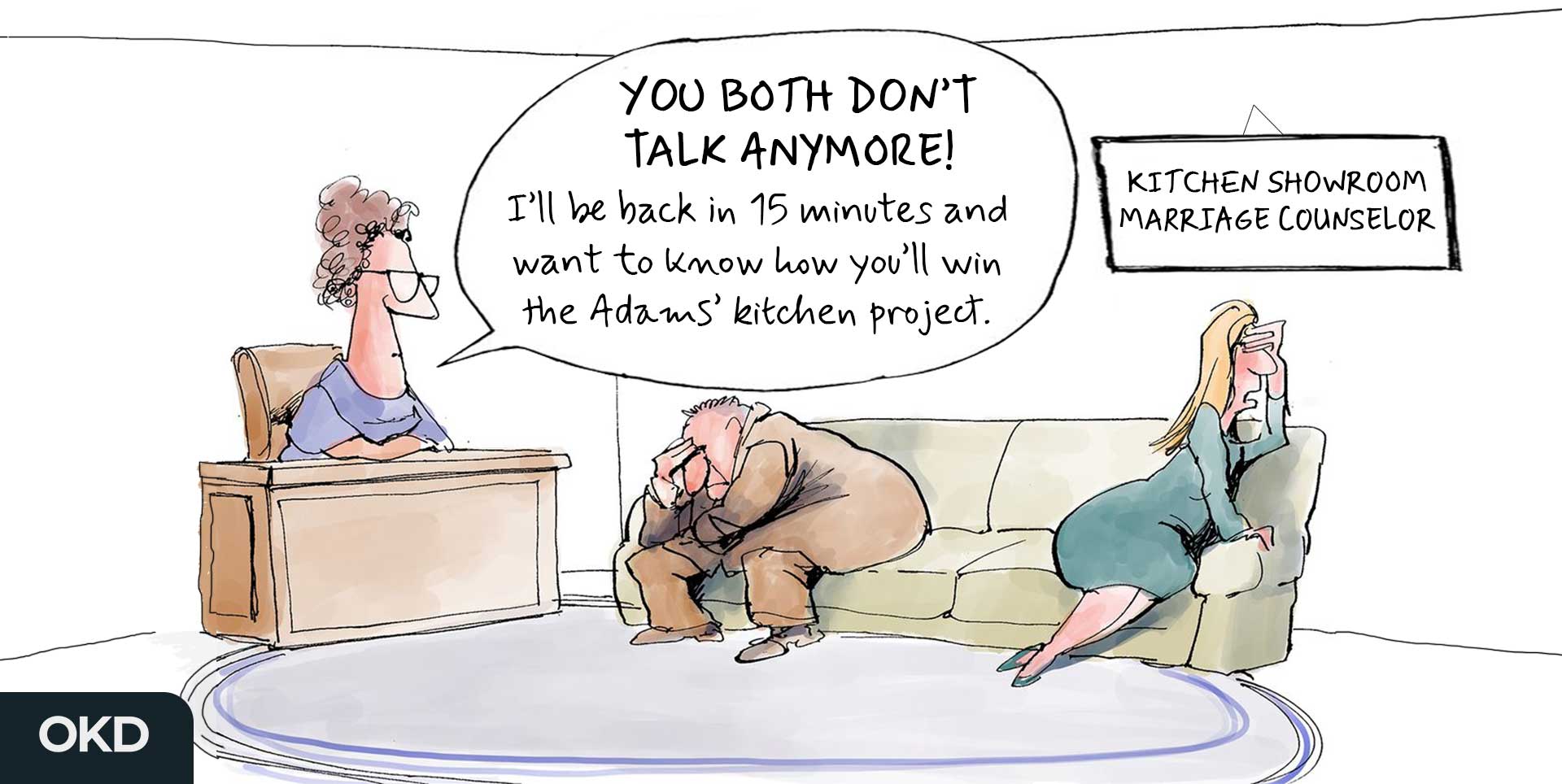
A lot can go wrong when the first kitchen consultation is too loose.
Let’s say that someone calls in interested in a renovation. The conversation feels promising. The sales rep answers a few questions, the lead talks about wanting something modern and bright. Before long, the team is moving toward design without really knowing whether the project is viable, whether the budget is realistic, or whether the prospect is actually ready to move.
On paper, that first call feels productive. In practice, it often creates more work than clarity. That is why a consistent first-call framework matters.
What’s the real purpose of a consultation call?
A 15-minute kitchen consultation is not supposed to replace discovery, design, or quoting. Its job is to determine whether the lead is ready for the next step, what that next step should be, and whether the showroom should invest design time now or later. When handled well, this short conversation protects design capacity, improves lead quality, and makes the sales process easier to manage across the whole team.
For kitchen showrooms, cabinet dealers, and sales teams trying to move faster without wasting effort, the first call is one of the most important parts of the process. It sets expectations early, surfaces missing information, and helps separate serious opportunities from leads that still need nurturing.
This is where a reusable consultation script helps. Instead of letting every rep run the call differently, your team can work from the same structure, ask better kitchen consultation questions, and move leads forward with more consistency.
How will this call prevent wasted design time?
In many showrooms, wasted design time does not come from bad designers. It comes from weak early qualification.
When the first call does not cover budget, scope, timeline, measurements, decision-making, and project readiness, the design team ends up solving problems too early. They may begin layouts for people who do not know what they want, who are not aligned with their partner, who are months away from moving, or who are still collecting free ideas from multiple competitors. That creates delays for better leads and turns design into a filtering mechanism instead of a sales tool.
A short consultation call helps prevent that.
- In 15 minutes, a good sales rep should be able to:
- Understand what kind of project this is
- Get a feel of how serious the lead appears to be
- Decide if the showroom is a fit for the project
- What the next steps should be (a design appointment, retainer conversation, a follow-up later, etc)
That kind of clarity reduces back-and-forth and keeps the pipeline healthier.
It also improves customer experience. Serious leads do not want to repeat themselves across multiple conversations. They want a clear process, realistic expectations, and signs that your team knows how to guide them. A structured first call does all of that. It shows that your showroom has a process, respects the customer’s time, and takes the project seriously from the beginning.
For sales teams, the value is even bigger. A repeatable consultation script makes it easier to train new team members, maintain consistency, and identify where leads are getting stuck. It gives the team a standard way to qualify kitchen remodel leads before design begins.
What questions should you ask in the first 15 minutes?
The goal of the first call is not to ask everything. The goal is to ask the right things.
You need enough information to determine readiness and next steps, not enough to fully scope the entire job. If the conversation turns into a 45-minute design brainstorming session, the call has gone too far. Keep it focused on the questions that help qualify the opportunity.
A strong first-call framework usually covers five areas: project type, timing, budget, decision-making, and readiness.
1. What kind of project are they planning?
Start with the basics. You need to understand what they are trying to do before you can judge fit.
Ask:
- Are you updating an existing kitchen, doing a full remodel, or working on a new build?
- Are you replacing cabinets only, or are other parts of the space changing too?
- Are you also planning bathrooms, mudrooms, laundry, or other cabinetry?
This tells you whether the lead fits your core services and whether the scope is simple, complex, or still undefined.
2. What is their timeline?
Timelines tell you a lot about seriousness. Someone hoping to start next month is in a different place than someone casually thinking about next year.
Ask:
- When are you hoping to get started?
- Are you working toward a contractor deadline, move-in date, or renovation start date?
- Have any parts of the project already been scheduled?
This helps you identify urgency, but it also reveals how coordinated the project already is. Real timelines usually come with context.
3. Do they have a budget in mind?
This is one of the most important parts of the first call and one of the most commonly avoided. But budget does not need to be a confrontational topic. It is simply part of qualifying whether the project and showroom are aligned.
Ask:
- Have you set a budget range for the kitchen yet?
- Is that budget for cabinetry only, or for the full renovation?
- Have you shopped around enough to know what price range you are comfortable with?
A prospect does not need to have a perfect number. What matters is whether they have thought about cost at all and whether their expectations are realistic.
4. Who is involved in the decision?
A lot of stalled kitchen projects are not sales problems. They are decision-making problems.
Ask:
- Who will be involved in approving the project?
- Will both homeowners be part of the design and budget decisions?
- Are you gathering information for yourself, or are you helping someone else make the decision?
This helps the rep understand whether they are speaking with the decision-maker, one half of the decision-making unit, or someone early in the research phase.
5. How ready are they to move into the next stage?
This is where you test practical readiness.
Ask:
- Do you have measurements, plans, or photos of the current space?
- Have you spoken with a contractor yet?
- Have you visited any showrooms or narrowed down the style you want?
- Are you looking for pricing, layout direction, or a full design process?
These questions help distinguish between someone who needs education and someone who is ready for a structured next step.
Script + talk tracks
Below is a simple kitchen design consultation script your team can reuse, adapt, and standardize across reps.
Opening the call
“Thanks for reaching out. What I’d like to do in this first conversation is learn a bit about your project, where you’re at in the process, and what kind of next step makes the most sense. This usually takes about 15 minutes.”
This opening works because it sets structure immediately. It tells the prospect the call has a purpose and that the rep will guide it.
Project overview
“To start, can you tell me a little about the project? Are you updating your current kitchen, planning a full remodel, or working on a new build?”
“Are you mainly looking at cabinetry, or are there other parts of the space changing too?”
These questions help the rep understand scope without drifting into full design consultation territory.
Timeline
“When are you hoping to get started?”
“Is there a contractor timeline, move-in date, or renovation schedule you’re working around?”
If the answer is vague, the rep can say: “That’s okay. Even a rough idea helps us understand whether this is something to prepare for now or something to revisit later.
Budget
“Have you set a budget range yet for the kitchen?”
“And is that range mainly for cabinetry, or for the whole renovation?”
If they hesitate: “That’s very normal. We ask because it helps us steer people toward the right type of solution and avoid wasting your time.”
Decision-making
“Who will be involved in making the final decision on the project?”
“Would both decision-makers be joining the next appointment if we move forward?”
This helps reduce the chances of getting too far with only half the buying group involved.
Readiness and information
“Do you have any measurements, plans, or photos of the space yet?”
“Have you met with a contractor or visited other showrooms so far?”
“Are you hoping for pricing first, layout direction, or a more complete design conversation?”
These questions identify how ready the prospect is and what they are actually looking for.
Closing and next step
Based on the answers, the rep should choose one clear next step.
For a qualified lead:
“Based on what you’ve shared, I think the next best step would be to book a design consultation so we can review the space in more detail and talk through options properly.”
For an early-stage lead:
“It sounds like you’re still in the research phase, which is completely fine. I think the best next step would be for us to share a few things that help you prepare, and then reconnect once you’ve got measurements or a firmer scope.”
For a lead that needs more structure before design:
“Because design work is most effective once we have a clearer scope and commitment, our next step is usually a paid concept or retainer-based process. That way we can give the project the time it needs and produce something useful.”
FAQs
Do you need measurements before moving forward?
Not always. But you do need enough information to decide what “moving forward” means.
A lead does not necessarily need perfect measurements to have a first consultation. In many cases, rough dimensions, photos, floorplans, or builder plans are enough for an initial discussion. What matters is whether the prospect has enough information for the next stage to be productive.
If they have nothing at all, the team should not jump into detailed design. That usually leads to rework, delays, and unclear pricing conversations. In those cases, the better move is to explain what information is needed and keep the lead progressing in a lighter way until that information is available.
How do you handle “just exploring”?
Treat it honestly, but do not treat it like a design-ready lead.
“Just exploring” does not automatically mean low quality. Some strong future projects start there. But if someone is browsing ideas, unsure on timing, and not ready to commit to a process, then your next step should reflect that.
That may mean a showroom visit, an educational resource, a follow-up call in a few weeks, or a conversation about how your process works once they are ready. The mistake is moving exploratory leads into the same workflow used for active buyers.
The goal is not to push harder. It is to match the process to the level of readiness.
When should you introduce a retainer?
A retainer should be introduced before the team gives away too much design time.
If a prospect wants layouts, visual concepts, revisions, or detailed pricing conversations before they have shown commitment, that is usually the point where a retainer makes sense. It creates structure, protects the team’s time, and helps separate serious buyers from people collecting free work.
It is also useful when the project is complex, when multiple iterations are likely, or when the showroom wants to formalize the transition from sales conversation to design service. Introduced properly, a retainer does not scare away the right clients. It shows that the process has value and that the showroom handles projects in a professional way.
Contact OKD
If your team is still handling first calls inconsistently, it usually shows up later as design bottlenecks, slower quoting, and too much time spent on leads that are not ready.
OKD helps kitchen and cabinet sellers build a more efficient sales process by supporting the work that happens after qualification. From concept designs and quoting support to branded, sales-ready design packages, we help teams move faster without overloading internal designers.
Contact OKD to build a smoother path from first conversation to design-ready lead.
Business tips from the OKD team
Business tips from
the OKD team


For a lot of kitchen showrooms, cabinet dealers, and online sellers, quoting is where momentum starts to break down.
For a lot of kitchen showrooms, cabinet dealers, and online sellers, quoting is where momentum starts to break down.
For a lot of kitchen showrooms, cabinet dealers, and online sellers, quoting is where momentum
Read More …

A lot of kitchen and cabinet businesses hit the same point as they grow: sales stay busy, but designs
A lot of kitchen and cabinet businesses hit the same point as they grow: sales stay busy, but designs
A lot of kitchen and cabinet businesses hit the same point as they grow: sales
Read More …
A lot of kitchen and cabinet companies lose momentum between the first customer conversation and the point where the
A lot of kitchen and cabinet companies lose momentum between the first customer conversation and the point where the
A lot of kitchen and cabinet companies lose momentum between the first customer conversation and
Read More …

Revision loops are one of the easiest ways for kitchen showrooms, cabinet dealers, and design teams to lose margin
Revision loops are one of the easiest ways for kitchen showrooms, cabinet dealers, and design teams to lose margin
Revision loops are one of the easiest ways for kitchen showrooms, cabinet dealers, and design
Read More …
Backlogs do not usually start with one big problem. They build quietly. A few more leads come in than
Backlogs do not usually start with one big problem. They build quietly. A few more leads come in than
Backlogs do not usually start with one big problem. They build quietly. A few more
Read More …

Selling cabinets online sounds efficient on paper. More leads. Faster quoting. Fewer in-showroom meetings. Wider reach. But for many
Selling cabinets online sounds efficient on paper. More leads. Faster quoting. Fewer in-showroom meetings. Wider reach. But for many
Selling cabinets online sounds efficient on paper. More leads. Faster quoting. Fewer in-showroom meetings. Wider
Read More …

A lot of revision loops start before design even begins. Usually, it is not because the designer got it
A lot of revision loops start before design even begins. Usually, it is not because the designer got it
A lot of revision loops start before design even begins. Usually, it is not because
Read More …

Cabinet Genies boosts showroom sales with OKD design support Showrooms feeling stuck in the balance between sales and design
Cabinet Genies boosts showroom sales with OKD design support Showrooms feeling stuck in the balance between sales and design
Cabinet Genies boosts showroom sales with OKD design support Showrooms feeling stuck in the balance
Read More …

For any kitchen cabinet distributor needing to grow their business more efficiently, the solution is literally at your fingertips:
For any kitchen cabinet distributor needing to grow their business more efficiently, the solution is literally at your fingertips:
For any kitchen cabinet distributor needing to grow their business more efficiently, the solution is
Read More …

Not every kitchen lead is ready for design. Some are serious buyers with a real project, a clear timeline, and
Not every kitchen lead is ready for design. Some are serious buyers with a real project, a clear timeline, and
Not every kitchen lead is ready for design. Some are serious buyers with a real project,
Read More …

A kitchen showroom can seem like its leads are flowing, when in reality, there are roadblocks that keep it falling
A kitchen showroom can seem like its leads are flowing, when in reality, there are roadblocks that keep it falling
A kitchen showroom can seem like its leads are flowing, when in reality, there are roadblocks
Read More …
A concept design is one of the most useful tools a kitchen sales team can have when used the
A concept design is one of the most useful tools a kitchen sales team can have when used the
A concept design is one of the most useful tools a kitchen sales team can
Read More …
A lot can go wrong when the first kitchen consultation is too loose. Let’s say that someone calls in
A lot can go wrong when the first kitchen consultation is too loose. Let’s say that someone calls in
A lot can go wrong when the first kitchen consultation is too loose. Let’s say
Read More …

OKD’s plug-and-play system will get you kitchen sales you never considered. What do we mean by “Plug-and-Play”? In the tech
OKD’s plug-and-play system will get you kitchen sales you never considered. What do we mean by “Plug-and-Play”? In the tech
OKD’s plug-and-play system will get you kitchen sales you never considered. What do we mean by
Read More …

There’s an important shift happening in successful kitchen showroom designers and owners that are helping them scale; The traditional
There’s an important shift happening in successful kitchen showroom designers and owners that are helping them scale; The traditional
There’s an important shift happening in successful kitchen showroom designers and owners that are helping
Read More …
A customer is ready to move forward. The first conversation went well, the project looks promising, and the sales
A customer is ready to move forward. The first conversation went well, the project looks promising, and the sales
A customer is ready to move forward. The first conversation went well, the project looks
Read More …
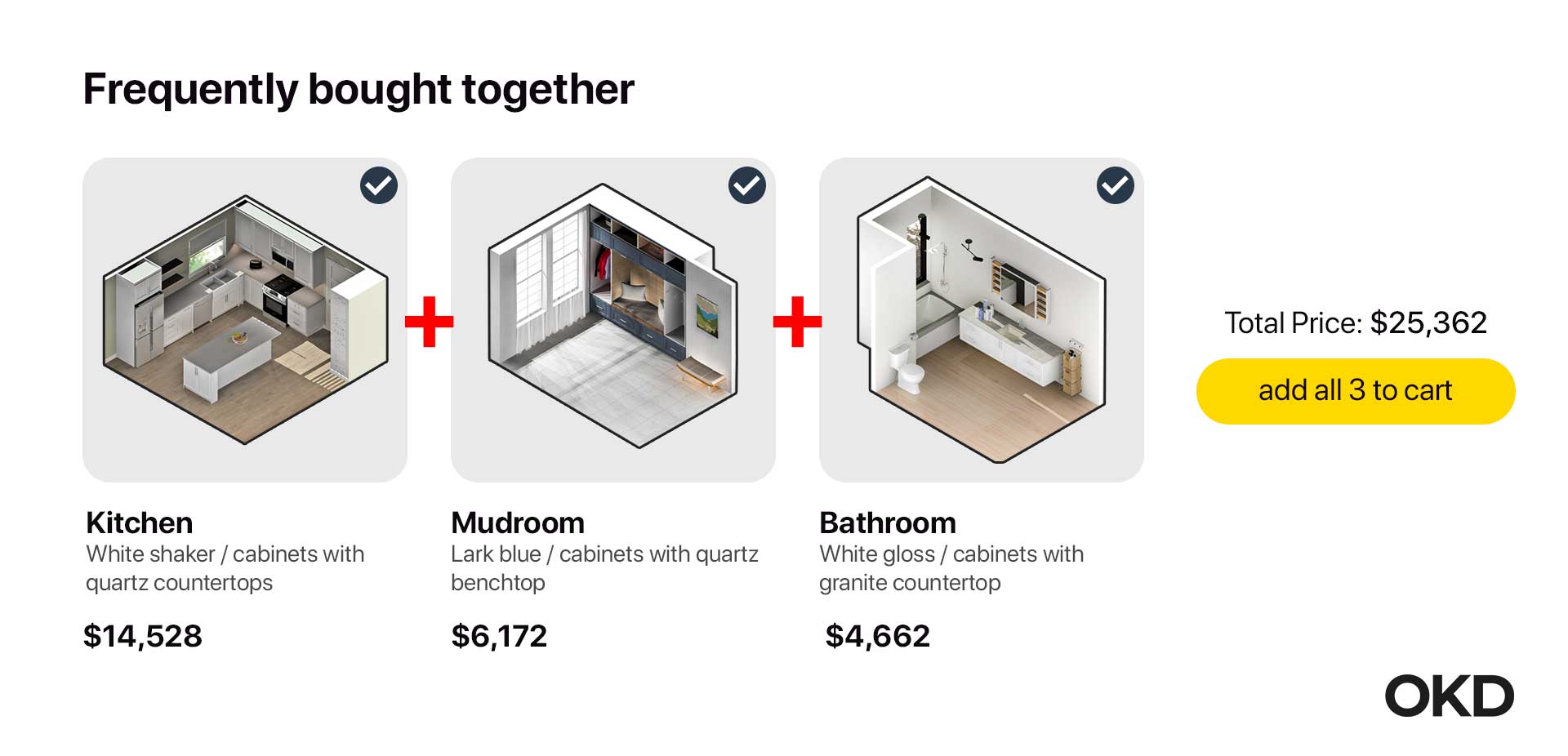
Increasing each customer’s contract amount (when mutually beneficial) can make or break a kitchen showroom.Showrooms that make it sell cabinets
Increasing each customer’s contract amount (when mutually beneficial) can make or break a kitchen showroom.Showrooms that make it sell cabinets
Increasing each customer’s contract amount (when mutually beneficial) can make or break a kitchen showroom.Showrooms that
Read More …
Have you ever dealt with ‘kitchen design/quote fatigue’? If you think the answer is no, but you feel exhausted
Have you ever dealt with ‘kitchen design/quote fatigue’? If you think the answer is no, but you feel exhausted
Have you ever dealt with ‘kitchen design/quote fatigue’? If you think the answer is no,
Read More …

The kitchen business is full of showrooms eager to give away kitchen designs to pretty much anyone. It doesn’t
The kitchen business is full of showrooms eager to give away kitchen designs to pretty much anyone. It doesn’t
The kitchen business is full of showrooms eager to give away kitchen designs to pretty
Read More …
Today, I want to demonstrate how to free your kitchen showroom salespeople. Freeing them to do what comes naturally: sell
Today, I want to demonstrate how to free your kitchen showroom salespeople. Freeing them to do what comes naturally: sell
Today, I want to demonstrate how to free your kitchen showroom salespeople. Freeing them to do
Read More …
When dealing with potential kitchen customers, you’re not just selling cabinets – you're listening for the future. Listen closely
When dealing with potential kitchen customers, you’re not just selling cabinets – you're listening for the future. Listen closely
When dealing with potential kitchen customers, you’re not just selling cabinets – you're listening for
Read More …

It’s about getting more quotes to more potential customers In this article: Simple steps to boost kitchen showroom sales growth
It’s about getting more quotes to more potential customers In this article: Simple steps to boost kitchen showroom sales growth
It’s about getting more quotes to more potential customers In this article: Simple steps to boost
Read More …
For a lot of kitchen showrooms, cabinet dealers, and online sellers, quoting is where momentum starts to break down.
For a lot of kitchen showrooms, cabinet dealers, and online sellers, quoting is where momentum starts to break down.
For a lot of kitchen showrooms, cabinet dealers, and online sellers, quoting is where momentum
Read More …
A lot of kitchen and cabinet businesses hit the same point as they grow: sales stay busy, but designs
A lot of kitchen and cabinet businesses hit the same point as they grow: sales stay busy, but designs
A lot of kitchen and cabinet businesses hit the same point as they grow: sales
Read More …
A lot of kitchen and cabinet companies lose momentum between the first customer conversation and the point where the
A lot of kitchen and cabinet companies lose momentum between the first customer conversation and the point where the
A lot of kitchen and cabinet companies lose momentum between the first customer conversation and
Read More …
Revision loops are one of the easiest ways for kitchen showrooms, cabinet dealers, and design teams to lose margin
Revision loops are one of the easiest ways for kitchen showrooms, cabinet dealers, and design teams to lose margin
Revision loops are one of the easiest ways for kitchen showrooms, cabinet dealers, and design
Read More …
Backlogs do not usually start with one big problem. They build quietly. A few more leads come in than
Backlogs do not usually start with one big problem. They build quietly. A few more leads come in than
Backlogs do not usually start with one big problem. They build quietly. A few more
Read More …
Selling cabinets online sounds efficient on paper. More leads. Faster quoting. Fewer in-showroom meetings. Wider reach. But for many
Selling cabinets online sounds efficient on paper. More leads. Faster quoting. Fewer in-showroom meetings. Wider reach. But for many
Selling cabinets online sounds efficient on paper. More leads. Faster quoting. Fewer in-showroom meetings. Wider
Read More …
A lot of revision loops start before design even begins. Usually, it is not because the designer got it
A lot of revision loops start before design even begins. Usually, it is not because the designer got it
A lot of revision loops start before design even begins. Usually, it is not because
Read More …
Cabinet Genies boosts showroom sales with OKD design support Showrooms feeling stuck in the balance between sales and design
Cabinet Genies boosts showroom sales with OKD design support Showrooms feeling stuck in the balance between sales and design
Cabinet Genies boosts showroom sales with OKD design support Showrooms feeling stuck in the balance
Read More …
For any kitchen cabinet distributor needing to grow their business more efficiently, the solution is literally at your fingertips:
For any kitchen cabinet distributor needing to grow their business more efficiently, the solution is literally at your fingertips:
For any kitchen cabinet distributor needing to grow their business more efficiently, the solution is
Read More …
Not every kitchen lead is ready for design. Some are serious buyers with a real project, a clear timeline, and
Not every kitchen lead is ready for design. Some are serious buyers with a real project, a clear timeline, and
Not every kitchen lead is ready for design. Some are serious buyers with a real project,
Read More …
A kitchen showroom can seem like its leads are flowing, when in reality, there are roadblocks that keep it falling
A kitchen showroom can seem like its leads are flowing, when in reality, there are roadblocks that keep it falling
A kitchen showroom can seem like its leads are flowing, when in reality, there are roadblocks
Read More …
A concept design is one of the most useful tools a kitchen sales team can have when used the
A concept design is one of the most useful tools a kitchen sales team can have when used the
A concept design is one of the most useful tools a kitchen sales team can
Read More …
A lot can go wrong when the first kitchen consultation is too loose. Let’s say that someone calls in
A lot can go wrong when the first kitchen consultation is too loose. Let’s say that someone calls in
A lot can go wrong when the first kitchen consultation is too loose. Let’s say
Read More …
OKD’s plug-and-play system will get you kitchen sales you never considered. What do we mean by “Plug-and-Play”? In the tech
OKD’s plug-and-play system will get you kitchen sales you never considered. What do we mean by “Plug-and-Play”? In the tech
OKD’s plug-and-play system will get you kitchen sales you never considered. What do we mean by
Read More …
There’s an important shift happening in successful kitchen showroom designers and owners that are helping them scale; The traditional
There’s an important shift happening in successful kitchen showroom designers and owners that are helping them scale; The traditional
There’s an important shift happening in successful kitchen showroom designers and owners that are helping
Read More …
A customer is ready to move forward. The first conversation went well, the project looks promising, and the sales
A customer is ready to move forward. The first conversation went well, the project looks promising, and the sales
A customer is ready to move forward. The first conversation went well, the project looks
Read More …
Increasing each customer’s contract amount (when mutually beneficial) can make or break a kitchen showroom.Showrooms that make it sell cabinets
Increasing each customer’s contract amount (when mutually beneficial) can make or break a kitchen showroom.Showrooms that make it sell cabinets
Increasing each customer’s contract amount (when mutually beneficial) can make or break a kitchen showroom.Showrooms that
Read More …
Have you ever dealt with ‘kitchen design/quote fatigue’? If you think the answer is no, but you feel exhausted
Have you ever dealt with ‘kitchen design/quote fatigue’? If you think the answer is no, but you feel exhausted
Have you ever dealt with ‘kitchen design/quote fatigue’? If you think the answer is no,
Read More …
The kitchen business is full of showrooms eager to give away kitchen designs to pretty much anyone. It doesn’t
The kitchen business is full of showrooms eager to give away kitchen designs to pretty much anyone. It doesn’t
The kitchen business is full of showrooms eager to give away kitchen designs to pretty
Read More …
Today, I want to demonstrate how to free your kitchen showroom salespeople. Freeing them to do what comes naturally: sell
Today, I want to demonstrate how to free your kitchen showroom salespeople. Freeing them to do what comes naturally: sell
Today, I want to demonstrate how to free your kitchen showroom salespeople. Freeing them to do
Read More …
When dealing with potential kitchen customers, you’re not just selling cabinets – you're listening for the future. Listen closely
When dealing with potential kitchen customers, you’re not just selling cabinets – you're listening for the future. Listen closely
When dealing with potential kitchen customers, you’re not just selling cabinets – you're listening for
Read More …
It’s about getting more quotes to more potential customers In this article: Simple steps to boost kitchen showroom sales growth
It’s about getting more quotes to more potential customers In this article: Simple steps to boost kitchen showroom sales growth
It’s about getting more quotes to more potential customers In this article: Simple steps to boost
Read More …