
For a lot of kitchen showrooms, cabinet dealers, and online sellers, quoting is where momentum starts to break down.
A lead may be qualified. The customer may be interested. The layout may already be underway. But if pricing takes too long or comes back with gaps, the sale slows down. Follow-up gets delayed, revisions pile up, and the team ends up spending too much time reworking quotes that should have been right the first time.
That is why cabinet quoting support matters. Quoting is not just an admin task after design. It is one of the biggest bottlenecks in the kitchen sales process, and one of the clearest opportunities to improve speed, accuracy, and close rate.
Why does quoting slow down kitchen sales?
Quoting usually slows down when the team is working from incomplete information, inconsistent pricing rules, or disconnected workflows.
In many businesses, design and quoting are still treated like separate steps. Design creates a layout, then sales or estimating has to interpret the file, chase missing details, confirm product assumptions, and rebuild pricing manually. That creates delays before the customer ever sees a usable proposal.
Quoting also slows down when:
- cabinet options are not standardized
- pricing rules vary by rep or project type
- files need clarification before pricing can begin
- revisions are triggered by preventable intake gaps
- the quote does not clearly match the design being presented
When that happens, the quoting process becomes reactive instead of repeatable. And when quoting slows down, sales slows down with it.
What information does quoting need from design, and what does design need from quoting?
Fast, accurate quotes depend on a strong handoff between design and pricing. If either side is missing critical information, the file gets delayed or priced incorrectly.
Quoting usually needs the following from design:
- a clear layout or floor plan
- cabinet counts, sizes, and configuration
- product or line selection
- material assumptions
- appliance constraints, if relevant
- enough detail to understand scope and room intent
Design also needs important input from quoting before going too far. That may include:
- approved cabinet lines
- pricing tiers or budget direction
- standard upgrade paths
- margin targets
- rules around substitutions or options
This is where many quoting issues start. If design creates a solution that does not align with pricing structure, the team ends up redesigning after the fact. The faster path is to connect design inputs and pricing rules earlier.
What is the fastest quoting workflow?
The fastest kitchen quoting process is usually the one with the fewest handoff gaps.
A simple workflow looks like this:
1. Start with a complete intake
Before design or quoting begins, the team should have room dimensions, scope, style direction, budget guidance, and any known constraints.
2. Build the layout within approved pricing boundaries
Design should work from approved cabinet lines, pricing assumptions, and scope rules. That prevents avoidable redesign later.
3. Create a sales-ready package with quote-supporting detail
The file should include the layout, visuals if needed, and the cabinet information required for pricing. The more aligned the package is, the faster quoting becomes.
4. Apply standardized pricing rules
Instead of rebuilding logic every time, the team should use consistent rules for product selection, upgrades, options, and markup.
5. Review for mismatches before sending
Before the quote goes to the customer, the team should verify that the quote matches the design, the scope is clear, and no assumptions are hidden.
6. Present one clean package
The best customer experience usually comes from one organized package that combines the design and the quote clearly enough to support a sales conversation.
That kind of workflow helps teams quote kitchen cabinets faster while reducing the back-and-forth required to get there.
Where do quoting errors usually happen, and how can they be prevented?
Most quote errors are not caused by one big mistake. They usually happen because small details get missed along the way.
Common error points include:
- pricing from an outdated layout
- quoting the wrong cabinet line or finish
- missing upgrades or accessories
- assumptions that were never confirmed
- inconsistent interpretation of design files
- scope changes that do not get reflected in the quote
The best way to prevent those errors is to create more structure upstream.
That means using:
- a required intake checklist
- standardized design deliverables
- clear pricing rules
- one version of truth for scope and selections
- a review step before the quote is sent
Faster quoting does not come from rushing. It comes from reducing the amount of guesswork in the process.
How can teams standardize pricing rules and options?
If every rep, estimator, or designer handles pricing differently, accuracy will always be harder to maintain.
Standardizing pricing rules helps teams quote faster because fewer decisions have to be made from scratch. It also helps reduce quote revisions and protect margin.
A strong quoting framework should define:
- which cabinet lines are used for which project types
- what default assumptions apply
- what upgrades are standard or optional
- how substitutions should be handled
- what markup or pricing logic should stay consistent
- when a file needs approval before moving forward
This does not mean every quote has to look identical. It means the rules behind the quote should be consistent enough that the team can move quickly without introducing avoidable errors.
When should you outsource kitchen design help to speed up quoting?
There usually comes a point when quoting delays are not just a workflow issue. They are a capacity issue. If the internal team is buried in layouts, revisions, and quote prep, even a good process can start breaking down.
That is often the right time to outsource design help.
Bringing in outsourced kitchen design support makes sense when the team is struggling to keep up with quote volume, when sales is waiting too long for quote-ready files, or when inconsistent design outputs are slowing down estimating. It can also help when a business wants to improve speed without immediately hiring full-time staff.
OKD helps kitchen showrooms, cabinet dealers, manufacturers, and online retailers create cleaner, more standardized, quote-ready design packages so sales teams can move faster. Instead of relying on rough layouts or incomplete handoffs, teams get structured deliverables that support cabinet quoting and reduce the friction between design and pricing.
When quoting is slowing down because design capacity is stretched, outsourced support can help remove the bottleneck without sacrificing consistency.
FAQs
What’s the minimum info needed for a quote?
At minimum, most teams need room dimensions, layout direction, cabinet selection or product assumptions, basic scope, and budget context. Without that, the quote is usually too loose to be reliable.
Should pricing be discussed before design?
Yes, at least at a directional level. Design should not happen in a vacuum. Early budget and pricing guardrails help prevent rework and keep the project aligned with what the customer can realistically buy.
How do you reduce quote revisions?
Quote revisions usually go down when intake improves, design and pricing are aligned earlier, and the team uses standardized pricing rules. A cleaner handoff leads to a cleaner first quote.
How can outsourced kitchen designs help?
Outsourced kitchen design support can help by giving the team cleaner layouts, more standardized deliverables, and better quote-ready documentation. That makes it easier to move from design to pricing without the usual bottlenecks.
How can OKD help?
Cabinet quoting should help move the sale forward, not slow it down. When design inputs, pricing rules, and deliverables are better aligned, teams can quote faster, reduce errors, and create a smoother buying experience.
OKD helps kitchen showrooms, cabinet dealers, manufacturers, and online retailers streamline the path from design to quote with structured, sales-ready design support. Contact OKD to see how we can help your team move faster without sacrificing accuracy.
Business tips from the OKD team
Business tips from
the OKD team


For a lot of kitchen showrooms, cabinet dealers, and online sellers, quoting is where momentum starts to break down.
For a lot of kitchen showrooms, cabinet dealers, and online sellers, quoting is where momentum starts to break down.
For a lot of kitchen showrooms, cabinet dealers, and online sellers, quoting is where momentum
Read More …

A lot of kitchen and cabinet businesses hit the same point as they grow: sales stay busy, but designs
A lot of kitchen and cabinet businesses hit the same point as they grow: sales stay busy, but designs
A lot of kitchen and cabinet businesses hit the same point as they grow: sales
Read More …
A lot of kitchen and cabinet companies lose momentum between the first customer conversation and the point where the
A lot of kitchen and cabinet companies lose momentum between the first customer conversation and the point where the
A lot of kitchen and cabinet companies lose momentum between the first customer conversation and
Read More …

Revision loops are one of the easiest ways for kitchen showrooms, cabinet dealers, and design teams to lose margin
Revision loops are one of the easiest ways for kitchen showrooms, cabinet dealers, and design teams to lose margin
Revision loops are one of the easiest ways for kitchen showrooms, cabinet dealers, and design
Read More …
Backlogs do not usually start with one big problem. They build quietly. A few more leads come in than
Backlogs do not usually start with one big problem. They build quietly. A few more leads come in than
Backlogs do not usually start with one big problem. They build quietly. A few more
Read More …

Selling cabinets online sounds efficient on paper. More leads. Faster quoting. Fewer in-showroom meetings. Wider reach. But for many
Selling cabinets online sounds efficient on paper. More leads. Faster quoting. Fewer in-showroom meetings. Wider reach. But for many
Selling cabinets online sounds efficient on paper. More leads. Faster quoting. Fewer in-showroom meetings. Wider
Read More …

A lot of revision loops start before design even begins. Usually, it is not because the designer got it
A lot of revision loops start before design even begins. Usually, it is not because the designer got it
A lot of revision loops start before design even begins. Usually, it is not because
Read More …

Cabinet Genies boosts showroom sales with OKD design support Showrooms feeling stuck in the balance between sales and design
Cabinet Genies boosts showroom sales with OKD design support Showrooms feeling stuck in the balance between sales and design
Cabinet Genies boosts showroom sales with OKD design support Showrooms feeling stuck in the balance
Read More …

For any kitchen cabinet distributor needing to grow their business more efficiently, the solution is literally at your fingertips:
For any kitchen cabinet distributor needing to grow their business more efficiently, the solution is literally at your fingertips:
For any kitchen cabinet distributor needing to grow their business more efficiently, the solution is
Read More …

Not every kitchen lead is ready for design. Some are serious buyers with a real project, a clear timeline, and
Not every kitchen lead is ready for design. Some are serious buyers with a real project, a clear timeline, and
Not every kitchen lead is ready for design. Some are serious buyers with a real project,
Read More …
A kitchen showroom can seem like its leads are flowing, when in reality, there are roadblocks that keep it falling
A kitchen showroom can seem like its leads are flowing, when in reality, there are roadblocks that keep it falling
A kitchen showroom can seem like its leads are flowing, when in reality, there are roadblocks
Read More …
A concept design is one of the most useful tools a kitchen sales team can have when used the
A concept design is one of the most useful tools a kitchen sales team can have when used the
A concept design is one of the most useful tools a kitchen sales team can
Read More …
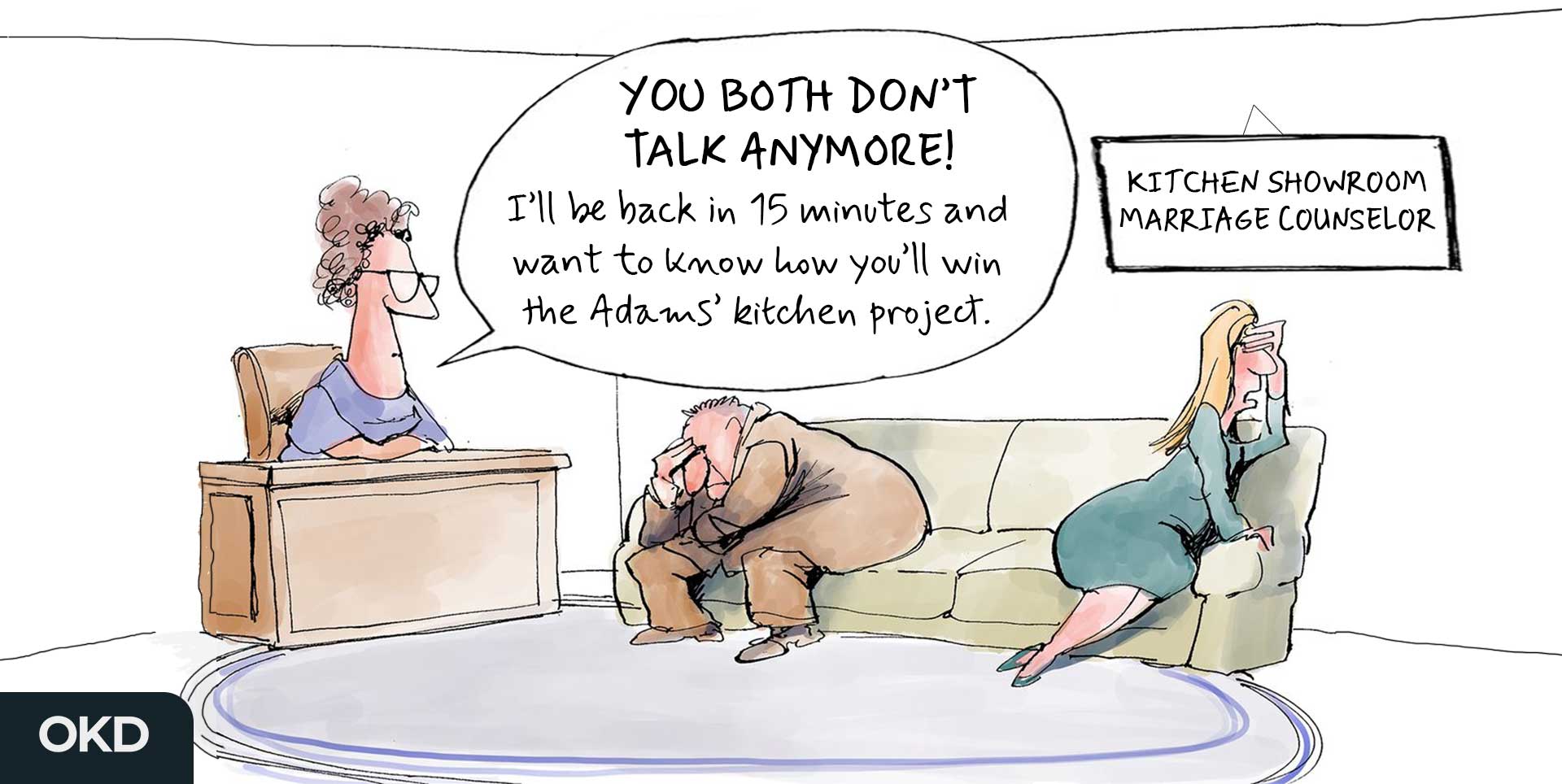
A lot can go wrong when the first kitchen consultation is too loose. Let’s say that someone calls in
A lot can go wrong when the first kitchen consultation is too loose. Let’s say that someone calls in
A lot can go wrong when the first kitchen consultation is too loose. Let’s say
Read More …

OKD’s plug-and-play system will get you kitchen sales you never considered. What do we mean by “Plug-and-Play”? In the tech
OKD’s plug-and-play system will get you kitchen sales you never considered. What do we mean by “Plug-and-Play”? In the tech
OKD’s plug-and-play system will get you kitchen sales you never considered. What do we mean by
Read More …

There’s an important shift happening in successful kitchen showroom designers and owners that are helping them scale; The traditional
There’s an important shift happening in successful kitchen showroom designers and owners that are helping them scale; The traditional
There’s an important shift happening in successful kitchen showroom designers and owners that are helping
Read More …
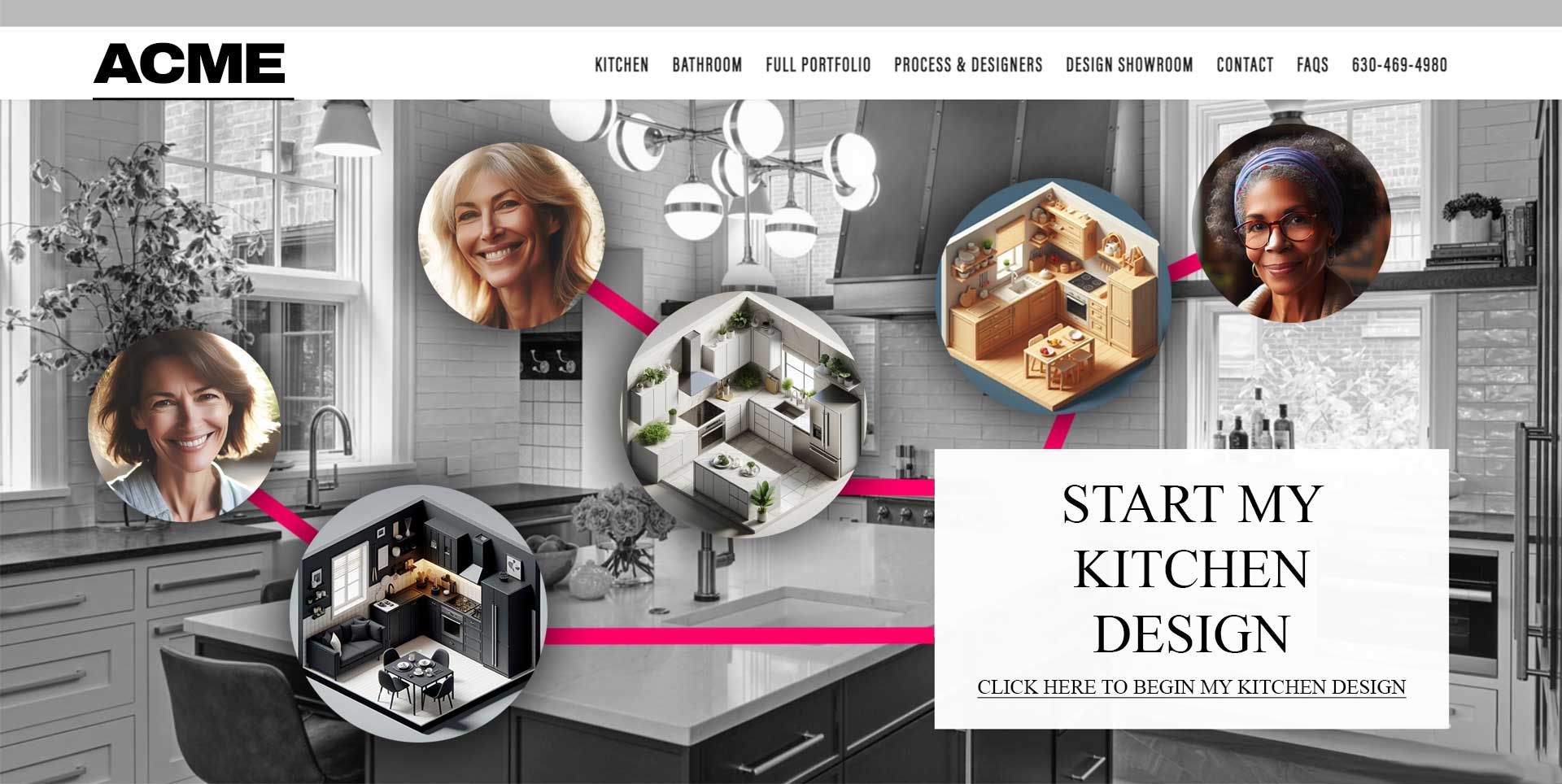
A customer is ready to move forward. The first conversation went well, the project looks promising, and the sales
A customer is ready to move forward. The first conversation went well, the project looks promising, and the sales
A customer is ready to move forward. The first conversation went well, the project looks
Read More …
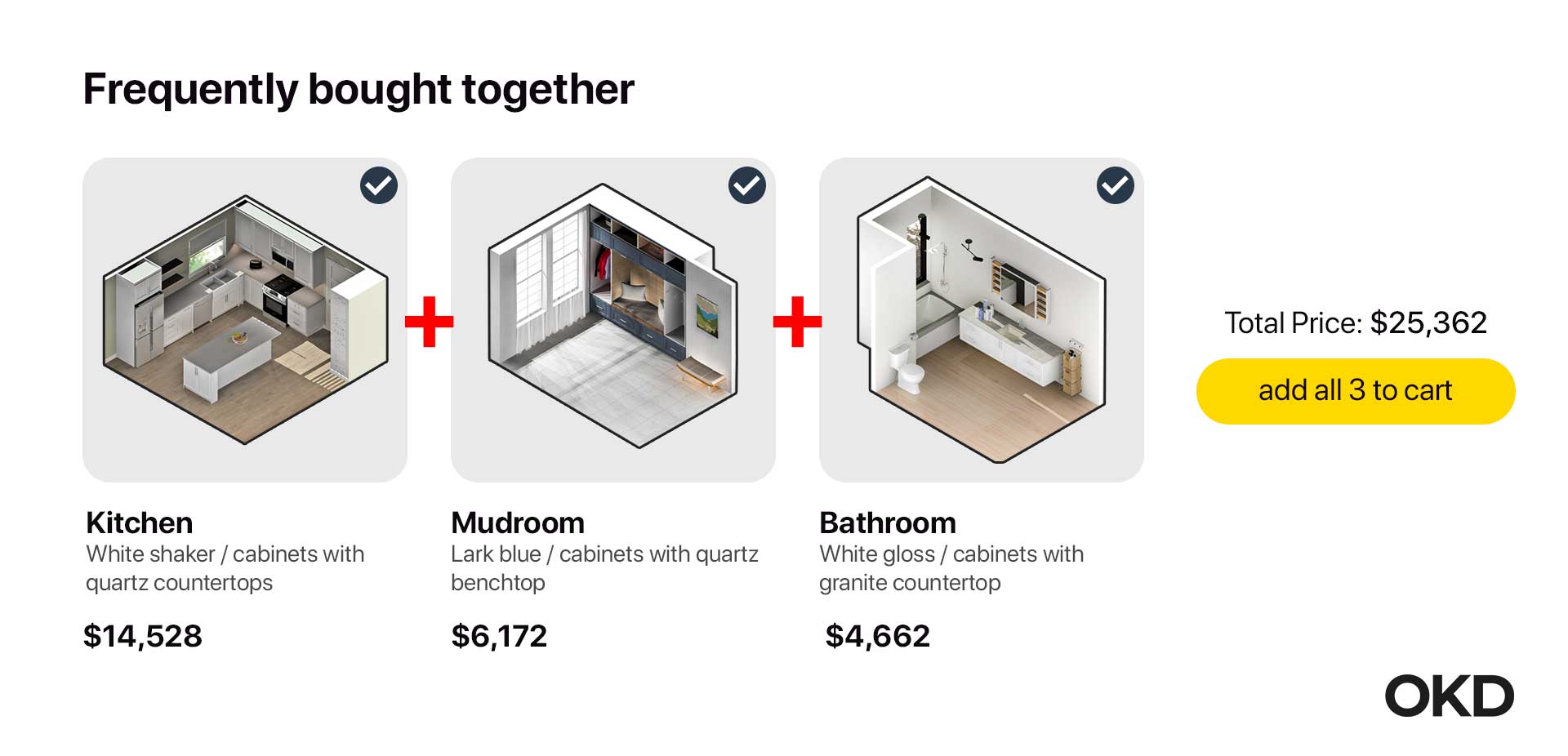
Increasing each customer’s contract amount (when mutually beneficial) can make or break a kitchen showroom.Showrooms that make it sell cabinets
Increasing each customer’s contract amount (when mutually beneficial) can make or break a kitchen showroom.Showrooms that make it sell cabinets
Increasing each customer’s contract amount (when mutually beneficial) can make or break a kitchen showroom.Showrooms that
Read More …
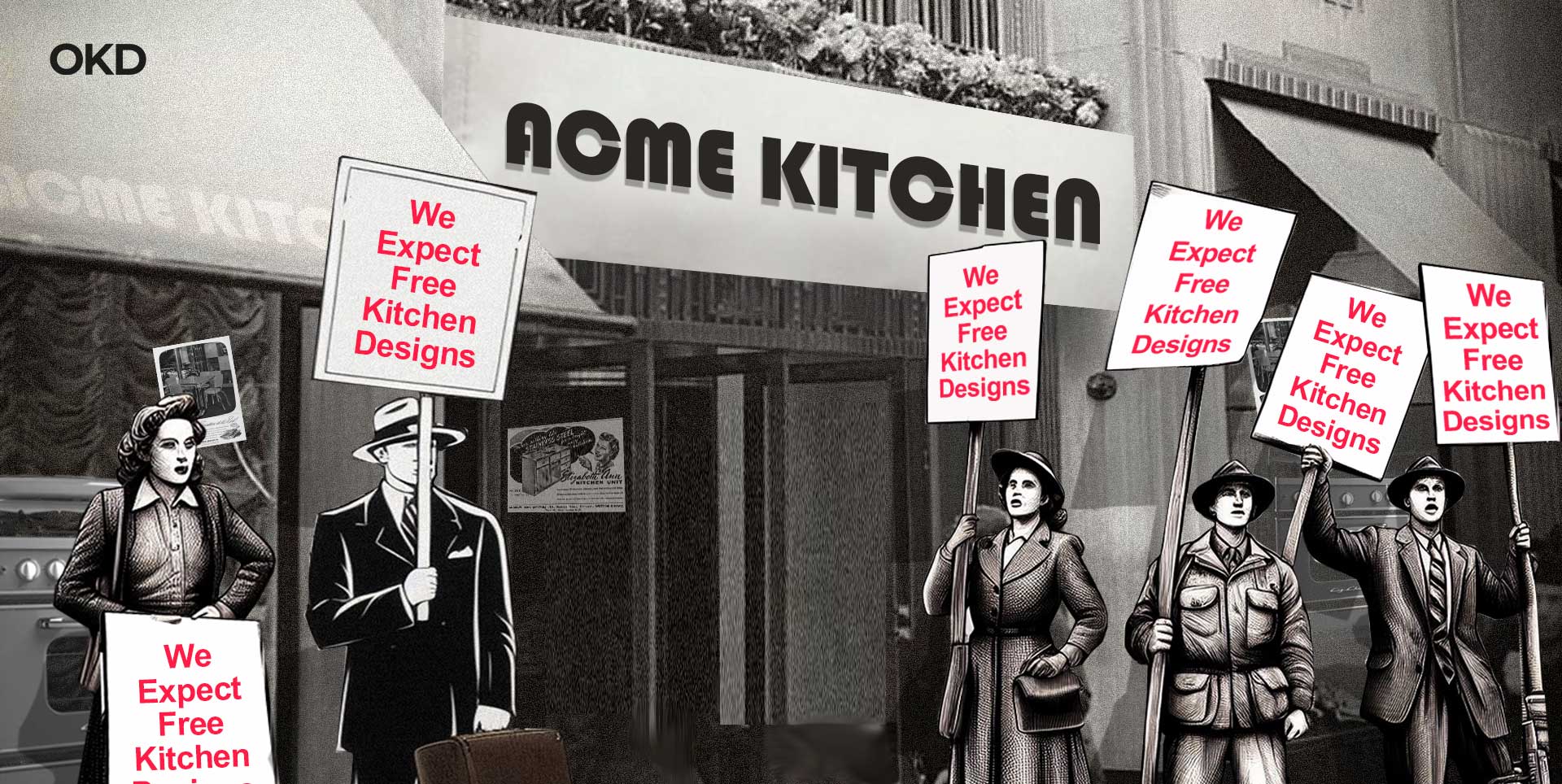
Have you ever dealt with ‘kitchen design/quote fatigue’? If you think the answer is no, but you feel exhausted
Have you ever dealt with ‘kitchen design/quote fatigue’? If you think the answer is no, but you feel exhausted
Have you ever dealt with ‘kitchen design/quote fatigue’? If you think the answer is no,
Read More …
The kitchen business is full of showrooms eager to give away kitchen designs to pretty much anyone. It doesn’t
The kitchen business is full of showrooms eager to give away kitchen designs to pretty much anyone. It doesn’t
The kitchen business is full of showrooms eager to give away kitchen designs to pretty
Read More …
Today, I want to demonstrate how to free your kitchen showroom salespeople. Freeing them to do what comes naturally: sell
Today, I want to demonstrate how to free your kitchen showroom salespeople. Freeing them to do what comes naturally: sell
Today, I want to demonstrate how to free your kitchen showroom salespeople. Freeing them to do
Read More …
When dealing with potential kitchen customers, you’re not just selling cabinets – you're listening for the future. Listen closely
When dealing with potential kitchen customers, you’re not just selling cabinets – you're listening for the future. Listen closely
When dealing with potential kitchen customers, you’re not just selling cabinets – you're listening for
Read More …

It’s about getting more quotes to more potential customers In this article: Simple steps to boost kitchen showroom sales growth
It’s about getting more quotes to more potential customers In this article: Simple steps to boost kitchen showroom sales growth
It’s about getting more quotes to more potential customers In this article: Simple steps to boost
Read More …
For a lot of kitchen showrooms, cabinet dealers, and online sellers, quoting is where momentum starts to break down.
For a lot of kitchen showrooms, cabinet dealers, and online sellers, quoting is where momentum starts to break down.
For a lot of kitchen showrooms, cabinet dealers, and online sellers, quoting is where momentum
Read More …
A lot of kitchen and cabinet businesses hit the same point as they grow: sales stay busy, but designs
A lot of kitchen and cabinet businesses hit the same point as they grow: sales stay busy, but designs
A lot of kitchen and cabinet businesses hit the same point as they grow: sales
Read More …
A lot of kitchen and cabinet companies lose momentum between the first customer conversation and the point where the
A lot of kitchen and cabinet companies lose momentum between the first customer conversation and the point where the
A lot of kitchen and cabinet companies lose momentum between the first customer conversation and
Read More …
Revision loops are one of the easiest ways for kitchen showrooms, cabinet dealers, and design teams to lose margin
Revision loops are one of the easiest ways for kitchen showrooms, cabinet dealers, and design teams to lose margin
Revision loops are one of the easiest ways for kitchen showrooms, cabinet dealers, and design
Read More …
Backlogs do not usually start with one big problem. They build quietly. A few more leads come in than
Backlogs do not usually start with one big problem. They build quietly. A few more leads come in than
Backlogs do not usually start with one big problem. They build quietly. A few more
Read More …
Selling cabinets online sounds efficient on paper. More leads. Faster quoting. Fewer in-showroom meetings. Wider reach. But for many
Selling cabinets online sounds efficient on paper. More leads. Faster quoting. Fewer in-showroom meetings. Wider reach. But for many
Selling cabinets online sounds efficient on paper. More leads. Faster quoting. Fewer in-showroom meetings. Wider
Read More …
A lot of revision loops start before design even begins. Usually, it is not because the designer got it
A lot of revision loops start before design even begins. Usually, it is not because the designer got it
A lot of revision loops start before design even begins. Usually, it is not because
Read More …
Cabinet Genies boosts showroom sales with OKD design support Showrooms feeling stuck in the balance between sales and design
Cabinet Genies boosts showroom sales with OKD design support Showrooms feeling stuck in the balance between sales and design
Cabinet Genies boosts showroom sales with OKD design support Showrooms feeling stuck in the balance
Read More …
For any kitchen cabinet distributor needing to grow their business more efficiently, the solution is literally at your fingertips:
For any kitchen cabinet distributor needing to grow their business more efficiently, the solution is literally at your fingertips:
For any kitchen cabinet distributor needing to grow their business more efficiently, the solution is
Read More …
Not every kitchen lead is ready for design. Some are serious buyers with a real project, a clear timeline, and
Not every kitchen lead is ready for design. Some are serious buyers with a real project, a clear timeline, and
Not every kitchen lead is ready for design. Some are serious buyers with a real project,
Read More …
A kitchen showroom can seem like its leads are flowing, when in reality, there are roadblocks that keep it falling
A kitchen showroom can seem like its leads are flowing, when in reality, there are roadblocks that keep it falling
A kitchen showroom can seem like its leads are flowing, when in reality, there are roadblocks
Read More …
A concept design is one of the most useful tools a kitchen sales team can have when used the
A concept design is one of the most useful tools a kitchen sales team can have when used the
A concept design is one of the most useful tools a kitchen sales team can
Read More …
A lot can go wrong when the first kitchen consultation is too loose. Let’s say that someone calls in
A lot can go wrong when the first kitchen consultation is too loose. Let’s say that someone calls in
A lot can go wrong when the first kitchen consultation is too loose. Let’s say
Read More …
OKD’s plug-and-play system will get you kitchen sales you never considered. What do we mean by “Plug-and-Play”? In the tech
OKD’s plug-and-play system will get you kitchen sales you never considered. What do we mean by “Plug-and-Play”? In the tech
OKD’s plug-and-play system will get you kitchen sales you never considered. What do we mean by
Read More …
There’s an important shift happening in successful kitchen showroom designers and owners that are helping them scale; The traditional
There’s an important shift happening in successful kitchen showroom designers and owners that are helping them scale; The traditional
There’s an important shift happening in successful kitchen showroom designers and owners that are helping
Read More …
A customer is ready to move forward. The first conversation went well, the project looks promising, and the sales
A customer is ready to move forward. The first conversation went well, the project looks promising, and the sales
A customer is ready to move forward. The first conversation went well, the project looks
Read More …
Increasing each customer’s contract amount (when mutually beneficial) can make or break a kitchen showroom.Showrooms that make it sell cabinets
Increasing each customer’s contract amount (when mutually beneficial) can make or break a kitchen showroom.Showrooms that make it sell cabinets
Increasing each customer’s contract amount (when mutually beneficial) can make or break a kitchen showroom.Showrooms that
Read More …
Have you ever dealt with ‘kitchen design/quote fatigue’? If you think the answer is no, but you feel exhausted
Have you ever dealt with ‘kitchen design/quote fatigue’? If you think the answer is no, but you feel exhausted
Have you ever dealt with ‘kitchen design/quote fatigue’? If you think the answer is no,
Read More …
The kitchen business is full of showrooms eager to give away kitchen designs to pretty much anyone. It doesn’t
The kitchen business is full of showrooms eager to give away kitchen designs to pretty much anyone. It doesn’t
The kitchen business is full of showrooms eager to give away kitchen designs to pretty
Read More …
Today, I want to demonstrate how to free your kitchen showroom salespeople. Freeing them to do what comes naturally: sell
Today, I want to demonstrate how to free your kitchen showroom salespeople. Freeing them to do what comes naturally: sell
Today, I want to demonstrate how to free your kitchen showroom salespeople. Freeing them to do
Read More …
When dealing with potential kitchen customers, you’re not just selling cabinets – you're listening for the future. Listen closely
When dealing with potential kitchen customers, you’re not just selling cabinets – you're listening for the future. Listen closely
When dealing with potential kitchen customers, you’re not just selling cabinets – you're listening for
Read More …
It’s about getting more quotes to more potential customers In this article: Simple steps to boost kitchen showroom sales growth
It’s about getting more quotes to more potential customers In this article: Simple steps to boost kitchen showroom sales growth
It’s about getting more quotes to more potential customers In this article: Simple steps to boost
Read More …