
A lot of kitchen and cabinet companies lose momentum between the first customer conversation and the point where the quote is actually strong enough to sell from.
The lead may be interested. The layout may be underway. Pricing may be partially built. But if the final deliverable is still rough, incomplete, or disconnected, the project slows down. Sales has to fill in gaps, design gets pulled back into avoidable revisions, and the customer is left reacting to something that does not feel finished.
That is where a sales-ready design package matters.
A sales-ready design package helps bridge the gap between design work and the sales process. It gives the team something polished enough to present, structured enough to quote from, and clear enough for the customer to make a decision.
What is a sales-ready design package?
A sales-ready design package is a structured set of design and quoting deliverables built to help sell the project before it moves into final production details.
It sits between a rough concept and a full production package. It is more polished than an early draft, but it is not overloaded with final execution details that are not needed yet. Its purpose is to help the customer understand the proposed design, the scope, and the value well enough to move forward.
At a basic level, a sales-ready package should help answer a few important questions:
- What is being proposed?
- What will it look like?
- What is included?
- Does the quote match the design?
- Is this ready for a sales conversation?
That is what makes it different from a generic design file. It is not just a layout. It is a deliverable designed to support a sale.
Why do sales-ready packages close faster than “rough designs”?
Rough designs can be useful early in the process, but they often create friction when a team tries to sell from them.
A rough design may show the general idea, but it usually leaves too much open. The customer may not fully understand the layout. The quote may not feel tied to the visuals. Internal teams may still need clarification before the project can be presented properly. All of that slows down follow-up and increases the chance that the lead keeps shopping.
Sales-ready design packages close faster because they reduce that friction. They create a more complete buying experience by bringing the design, the visual presentation, and the quote-supporting details together in a way that feels organized and intentional.
They also help teams work more efficiently by:
- reducing internal back-and-forth
- making sales presentations easier to deliver
- improving consistency across projects
- helping customers respond to something more concrete
- cutting down on avoidable revision requests
In short, a sales-ready package gives both the customer and the sales team more confidence in the next step.
What should be included in packages?
A strong kitchen design package checklist should include the pieces needed to support cabinet quoting and move the project forward, without turning the package into a full production file too early.
Most sales-ready design packages should include the following core elements.
Floor plan or layout
A clear floor plan is one of the most important parts of the package. It should show cabinet placement, room flow, and the overall layout direction in a way that is easy to understand.
Key measurements
The package should include enough dimensions to support sales conversations and quoting. It does not need to function as final field verification, but it should give a clear sense of scale and fit.
Visual renderings
Renderings help customers connect with the design more quickly. A floor plan explains the layout, but visuals make the project feel more real and easier to evaluate.
Cabinet list or material list
This is where cabinet quoting support becomes especially important. The package should include the product or material information needed to connect the design to pricing.
Scope summary
A short summary of what is included helps set expectations. This can cover which spaces are included, what assumptions were made, and what level of detail the package represents.
Quote-aligned design details
The design should match the quoting structure. If the layout shows one thing and the quote reflects another, the team creates confusion before the sales conversation even begins.
Branded presentation format
A sales-ready package should look polished and customer-facing. A clean, branded format makes the work easier to present and helps reinforce trust in the process.
Organized files for future revisions
Even strong packages may need updates. The better organized the files are, the easier it is to make efficient revisions without creating extra chaos later.
A quick internal checklist can help teams validate whether the package is actually ready to go out:
- Is the layout clear?
- Do the visuals support the design direction?
- Does the quote align with the package?
- Is the scope easy to understand?
- Is the file polished enough for a customer presentation?
If the answer is no to any of those, the package likely needs more work before it is truly sales-ready.
What optional add-ons increase close rates?
Not every project needs add-ons, but the right extras can increase close rate when they add clarity without expanding scope too early.
One common add-on is finish or style direction. A few curated recommendations can help the customer visualize the final result more clearly without opening the door to unlimited exploration. Another useful add-on is a second layout or pricing option when the customer needs a clear comparison. This can be valuable, but only when it is controlled. Too many options tend to slow decisions and create more revisions.
Other helpful add-ons can include:
- appliance placement guidance
- room-specific notes
- a limited alternate pricing path
- presentation enhancements that make the package easier to walk through
The key is to use add-ons strategically. The best ones improve understanding and buying confidence. The wrong ones create extra work, blur the scope, and delay the sale.
Best formats for teams and customers
The right content matters, but so does the format. A sales-ready design package should be easy to use for everyone involved.
For the customer, the package should feel simple, polished, and easy to review. In most cases, that means a branded PDF or presentation-style document that combines the visuals, layout, and supporting information in one place.
For the sales team, the package needs to be easy to present live and easy to send afterward. Key pages should be easy to find, and the quote-supporting details should be clear enough to support a real conversation.
For internal teams, it helps to maintain organized working files behind the customer-facing package. That may include source files, cabinet lists, or structured documentation that supports future edits and quoting updates.
In most cases, the best setup includes:
- one polished customer-facing package
- one organized internal file set for revisions and follow-up work
That keeps the customer experience clean without making internal operations messy.
FAQs
Is this a concept design or production design?
A sales-ready design package usually sits between the two. It is more developed than a concept design because it is built to support quoting and customer decisions. But it is not the same as a final production package, which includes a deeper level of detail for execution and installation.
What do you need from the customer to produce it?
Most teams need a solid intake before they can produce a strong package. That usually includes:
- room dimensions
- photos
- project scope
- appliance information, if relevant
- budget direction
- style preferences
- any known constraints
The stronger the intake, the stronger the package.
How does this reduce revisions?
It reduces revisions by improving clarity earlier in the process. When customers receive a package that is organized, aligned with the quote, and easy to understand, they are more likely to give focused feedback. That cuts down on avoidable back-and-forth and helps keep the project moving.
Need design help? OKD is here.
A sales-ready design package helps turn design work into a stronger sales tool. It gives kitchen and cabinet teams a better way to present projects, support cabinet quoting, reduce avoidable revisions, and move qualified leads forward faster.
OKD creates sales-ready design packages for kitchen showrooms, cabinet dealers, manufacturers, and online retailers that need polished, structured deliverables built to support sales. Contact us to see how we can help.
Business tips from the OKD team
Business tips from
the OKD team


For a lot of kitchen showrooms, cabinet dealers, and online sellers, quoting is where momentum starts to break down.
For a lot of kitchen showrooms, cabinet dealers, and online sellers, quoting is where momentum starts to break down.
For a lot of kitchen showrooms, cabinet dealers, and online sellers, quoting is where momentum
Read More …

A lot of kitchen and cabinet businesses hit the same point as they grow: sales stay busy, but designs
A lot of kitchen and cabinet businesses hit the same point as they grow: sales stay busy, but designs
A lot of kitchen and cabinet businesses hit the same point as they grow: sales
Read More …
A lot of kitchen and cabinet companies lose momentum between the first customer conversation and the point where the
A lot of kitchen and cabinet companies lose momentum between the first customer conversation and the point where the
A lot of kitchen and cabinet companies lose momentum between the first customer conversation and
Read More …

Revision loops are one of the easiest ways for kitchen showrooms, cabinet dealers, and design teams to lose margin
Revision loops are one of the easiest ways for kitchen showrooms, cabinet dealers, and design teams to lose margin
Revision loops are one of the easiest ways for kitchen showrooms, cabinet dealers, and design
Read More …
Backlogs do not usually start with one big problem. They build quietly. A few more leads come in than
Backlogs do not usually start with one big problem. They build quietly. A few more leads come in than
Backlogs do not usually start with one big problem. They build quietly. A few more
Read More …

Selling cabinets online sounds efficient on paper. More leads. Faster quoting. Fewer in-showroom meetings. Wider reach. But for many
Selling cabinets online sounds efficient on paper. More leads. Faster quoting. Fewer in-showroom meetings. Wider reach. But for many
Selling cabinets online sounds efficient on paper. More leads. Faster quoting. Fewer in-showroom meetings. Wider
Read More …

A lot of revision loops start before design even begins. Usually, it is not because the designer got it
A lot of revision loops start before design even begins. Usually, it is not because the designer got it
A lot of revision loops start before design even begins. Usually, it is not because
Read More …

Cabinet Genies boosts showroom sales with OKD design support Showrooms feeling stuck in the balance between sales and design
Cabinet Genies boosts showroom sales with OKD design support Showrooms feeling stuck in the balance between sales and design
Cabinet Genies boosts showroom sales with OKD design support Showrooms feeling stuck in the balance
Read More …

For any kitchen cabinet distributor needing to grow their business more efficiently, the solution is literally at your fingertips:
For any kitchen cabinet distributor needing to grow their business more efficiently, the solution is literally at your fingertips:
For any kitchen cabinet distributor needing to grow their business more efficiently, the solution is
Read More …

Not every kitchen lead is ready for design. Some are serious buyers with a real project, a clear timeline, and
Not every kitchen lead is ready for design. Some are serious buyers with a real project, a clear timeline, and
Not every kitchen lead is ready for design. Some are serious buyers with a real project,
Read More …

A kitchen showroom can seem like its leads are flowing, when in reality, there are roadblocks that keep it falling
A kitchen showroom can seem like its leads are flowing, when in reality, there are roadblocks that keep it falling
A kitchen showroom can seem like its leads are flowing, when in reality, there are roadblocks
Read More …
A concept design is one of the most useful tools a kitchen sales team can have when used the
A concept design is one of the most useful tools a kitchen sales team can have when used the
A concept design is one of the most useful tools a kitchen sales team can
Read More …
A lot can go wrong when the first kitchen consultation is too loose. Let’s say that someone calls in
A lot can go wrong when the first kitchen consultation is too loose. Let’s say that someone calls in
A lot can go wrong when the first kitchen consultation is too loose. Let’s say
Read More …
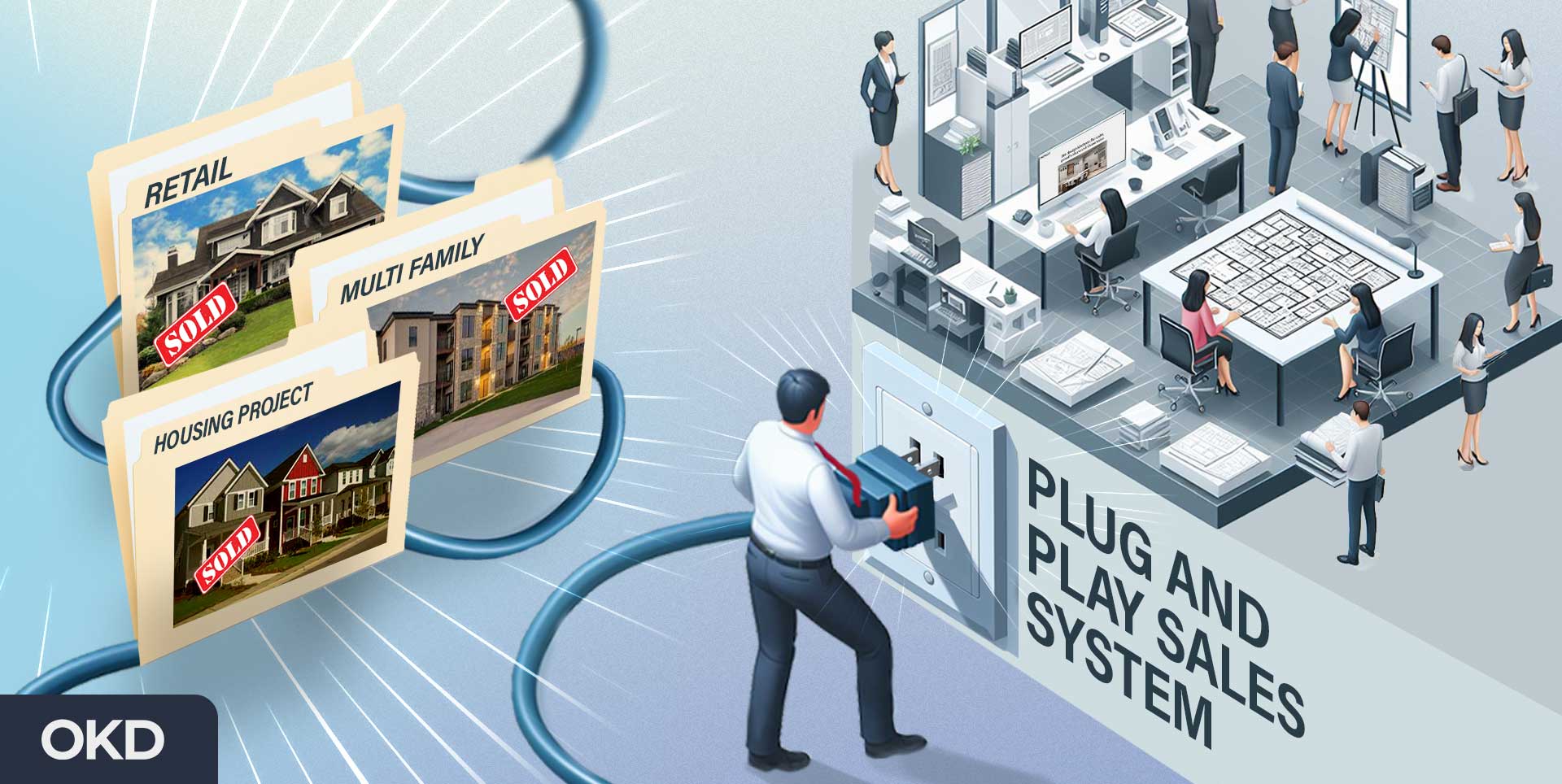
OKD’s plug-and-play system will get you kitchen sales you never considered. What do we mean by “Plug-and-Play”? In the tech
OKD’s plug-and-play system will get you kitchen sales you never considered. What do we mean by “Plug-and-Play”? In the tech
OKD’s plug-and-play system will get you kitchen sales you never considered. What do we mean by
Read More …

There’s an important shift happening in successful kitchen showroom designers and owners that are helping them scale; The traditional
There’s an important shift happening in successful kitchen showroom designers and owners that are helping them scale; The traditional
There’s an important shift happening in successful kitchen showroom designers and owners that are helping
Read More …
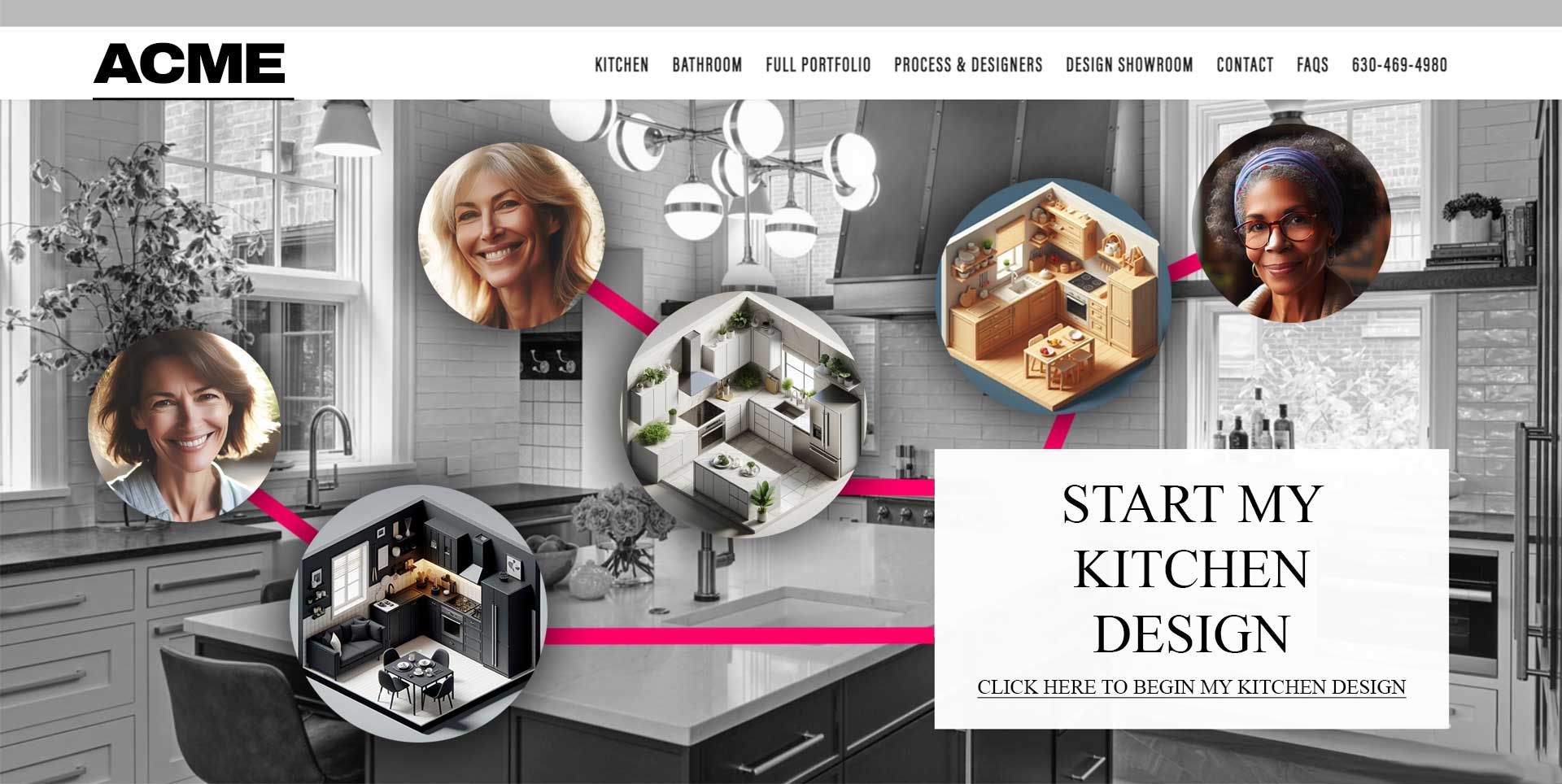
A customer is ready to move forward. The first conversation went well, the project looks promising, and the sales
A customer is ready to move forward. The first conversation went well, the project looks promising, and the sales
A customer is ready to move forward. The first conversation went well, the project looks
Read More …
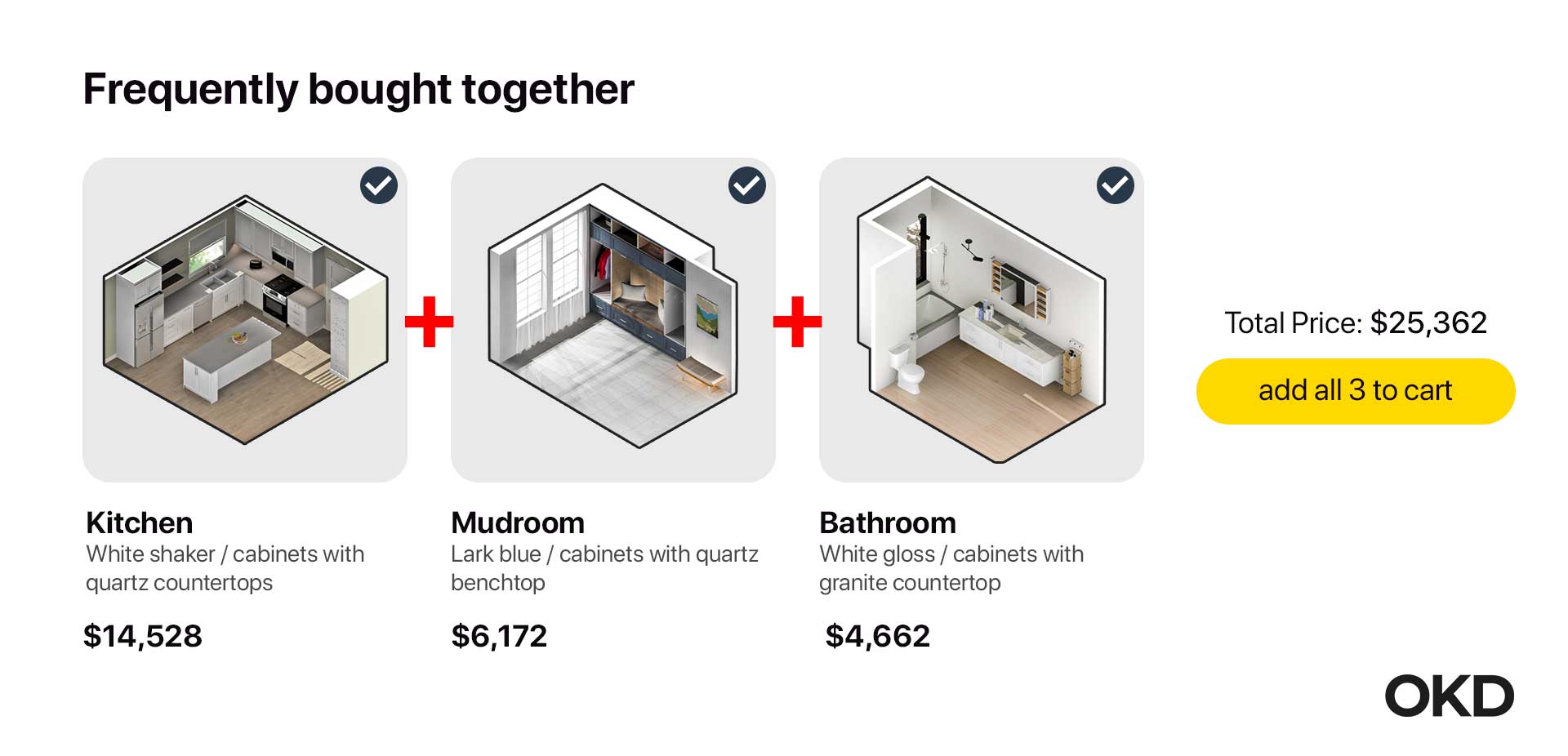
Increasing each customer’s contract amount (when mutually beneficial) can make or break a kitchen showroom.Showrooms that make it sell cabinets
Increasing each customer’s contract amount (when mutually beneficial) can make or break a kitchen showroom.Showrooms that make it sell cabinets
Increasing each customer’s contract amount (when mutually beneficial) can make or break a kitchen showroom.Showrooms that
Read More …
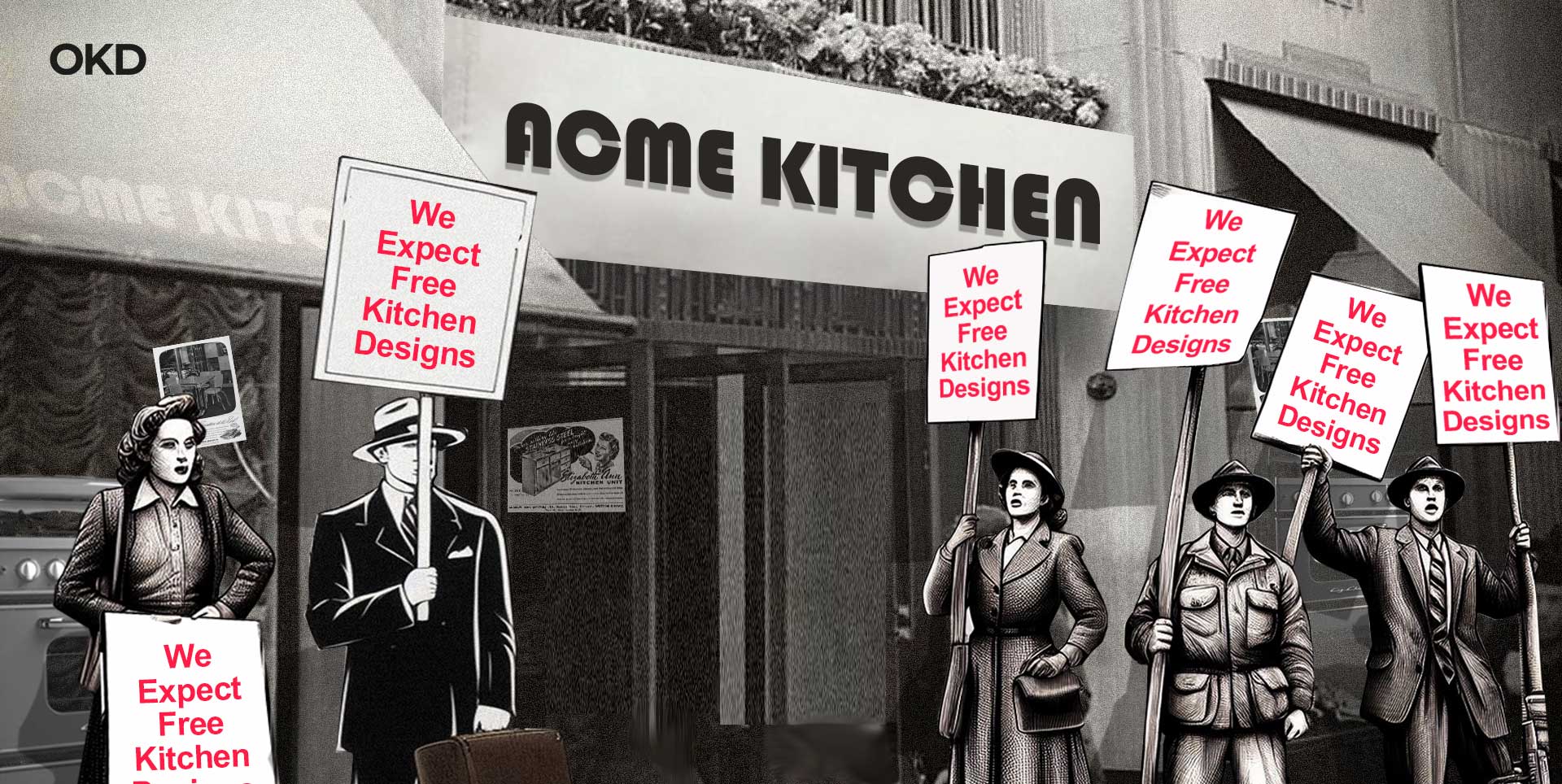
Have you ever dealt with ‘kitchen design/quote fatigue’? If you think the answer is no, but you feel exhausted
Have you ever dealt with ‘kitchen design/quote fatigue’? If you think the answer is no, but you feel exhausted
Have you ever dealt with ‘kitchen design/quote fatigue’? If you think the answer is no,
Read More …
The kitchen business is full of showrooms eager to give away kitchen designs to pretty much anyone. It doesn’t
The kitchen business is full of showrooms eager to give away kitchen designs to pretty much anyone. It doesn’t
The kitchen business is full of showrooms eager to give away kitchen designs to pretty
Read More …
Today, I want to demonstrate how to free your kitchen showroom salespeople. Freeing them to do what comes naturally: sell
Today, I want to demonstrate how to free your kitchen showroom salespeople. Freeing them to do what comes naturally: sell
Today, I want to demonstrate how to free your kitchen showroom salespeople. Freeing them to do
Read More …
When dealing with potential kitchen customers, you’re not just selling cabinets – you're listening for the future. Listen closely
When dealing with potential kitchen customers, you’re not just selling cabinets – you're listening for the future. Listen closely
When dealing with potential kitchen customers, you’re not just selling cabinets – you're listening for
Read More …

It’s about getting more quotes to more potential customers In this article: Simple steps to boost kitchen showroom sales growth
It’s about getting more quotes to more potential customers In this article: Simple steps to boost kitchen showroom sales growth
It’s about getting more quotes to more potential customers In this article: Simple steps to boost
Read More …
For a lot of kitchen showrooms, cabinet dealers, and online sellers, quoting is where momentum starts to break down.
For a lot of kitchen showrooms, cabinet dealers, and online sellers, quoting is where momentum starts to break down.
For a lot of kitchen showrooms, cabinet dealers, and online sellers, quoting is where momentum
Read More …
A lot of kitchen and cabinet businesses hit the same point as they grow: sales stay busy, but designs
A lot of kitchen and cabinet businesses hit the same point as they grow: sales stay busy, but designs
A lot of kitchen and cabinet businesses hit the same point as they grow: sales
Read More …
A lot of kitchen and cabinet companies lose momentum between the first customer conversation and the point where the
A lot of kitchen and cabinet companies lose momentum between the first customer conversation and the point where the
A lot of kitchen and cabinet companies lose momentum between the first customer conversation and
Read More …
Revision loops are one of the easiest ways for kitchen showrooms, cabinet dealers, and design teams to lose margin
Revision loops are one of the easiest ways for kitchen showrooms, cabinet dealers, and design teams to lose margin
Revision loops are one of the easiest ways for kitchen showrooms, cabinet dealers, and design
Read More …
Backlogs do not usually start with one big problem. They build quietly. A few more leads come in than
Backlogs do not usually start with one big problem. They build quietly. A few more leads come in than
Backlogs do not usually start with one big problem. They build quietly. A few more
Read More …
Selling cabinets online sounds efficient on paper. More leads. Faster quoting. Fewer in-showroom meetings. Wider reach. But for many
Selling cabinets online sounds efficient on paper. More leads. Faster quoting. Fewer in-showroom meetings. Wider reach. But for many
Selling cabinets online sounds efficient on paper. More leads. Faster quoting. Fewer in-showroom meetings. Wider
Read More …
A lot of revision loops start before design even begins. Usually, it is not because the designer got it
A lot of revision loops start before design even begins. Usually, it is not because the designer got it
A lot of revision loops start before design even begins. Usually, it is not because
Read More …
Cabinet Genies boosts showroom sales with OKD design support Showrooms feeling stuck in the balance between sales and design
Cabinet Genies boosts showroom sales with OKD design support Showrooms feeling stuck in the balance between sales and design
Cabinet Genies boosts showroom sales with OKD design support Showrooms feeling stuck in the balance
Read More …
For any kitchen cabinet distributor needing to grow their business more efficiently, the solution is literally at your fingertips:
For any kitchen cabinet distributor needing to grow their business more efficiently, the solution is literally at your fingertips:
For any kitchen cabinet distributor needing to grow their business more efficiently, the solution is
Read More …
Not every kitchen lead is ready for design. Some are serious buyers with a real project, a clear timeline, and
Not every kitchen lead is ready for design. Some are serious buyers with a real project, a clear timeline, and
Not every kitchen lead is ready for design. Some are serious buyers with a real project,
Read More …
A kitchen showroom can seem like its leads are flowing, when in reality, there are roadblocks that keep it falling
A kitchen showroom can seem like its leads are flowing, when in reality, there are roadblocks that keep it falling
A kitchen showroom can seem like its leads are flowing, when in reality, there are roadblocks
Read More …
A concept design is one of the most useful tools a kitchen sales team can have when used the
A concept design is one of the most useful tools a kitchen sales team can have when used the
A concept design is one of the most useful tools a kitchen sales team can
Read More …
A lot can go wrong when the first kitchen consultation is too loose. Let’s say that someone calls in
A lot can go wrong when the first kitchen consultation is too loose. Let’s say that someone calls in
A lot can go wrong when the first kitchen consultation is too loose. Let’s say
Read More …
OKD’s plug-and-play system will get you kitchen sales you never considered. What do we mean by “Plug-and-Play”? In the tech
OKD’s plug-and-play system will get you kitchen sales you never considered. What do we mean by “Plug-and-Play”? In the tech
OKD’s plug-and-play system will get you kitchen sales you never considered. What do we mean by
Read More …
There’s an important shift happening in successful kitchen showroom designers and owners that are helping them scale; The traditional
There’s an important shift happening in successful kitchen showroom designers and owners that are helping them scale; The traditional
There’s an important shift happening in successful kitchen showroom designers and owners that are helping
Read More …
A customer is ready to move forward. The first conversation went well, the project looks promising, and the sales
A customer is ready to move forward. The first conversation went well, the project looks promising, and the sales
A customer is ready to move forward. The first conversation went well, the project looks
Read More …
Increasing each customer’s contract amount (when mutually beneficial) can make or break a kitchen showroom.Showrooms that make it sell cabinets
Increasing each customer’s contract amount (when mutually beneficial) can make or break a kitchen showroom.Showrooms that make it sell cabinets
Increasing each customer’s contract amount (when mutually beneficial) can make or break a kitchen showroom.Showrooms that
Read More …
Have you ever dealt with ‘kitchen design/quote fatigue’? If you think the answer is no, but you feel exhausted
Have you ever dealt with ‘kitchen design/quote fatigue’? If you think the answer is no, but you feel exhausted
Have you ever dealt with ‘kitchen design/quote fatigue’? If you think the answer is no,
Read More …
The kitchen business is full of showrooms eager to give away kitchen designs to pretty much anyone. It doesn’t
The kitchen business is full of showrooms eager to give away kitchen designs to pretty much anyone. It doesn’t
The kitchen business is full of showrooms eager to give away kitchen designs to pretty
Read More …
Today, I want to demonstrate how to free your kitchen showroom salespeople. Freeing them to do what comes naturally: sell
Today, I want to demonstrate how to free your kitchen showroom salespeople. Freeing them to do what comes naturally: sell
Today, I want to demonstrate how to free your kitchen showroom salespeople. Freeing them to do
Read More …
When dealing with potential kitchen customers, you’re not just selling cabinets – you're listening for the future. Listen closely
When dealing with potential kitchen customers, you’re not just selling cabinets – you're listening for the future. Listen closely
When dealing with potential kitchen customers, you’re not just selling cabinets – you're listening for
Read More …
It’s about getting more quotes to more potential customers In this article: Simple steps to boost kitchen showroom sales growth
It’s about getting more quotes to more potential customers In this article: Simple steps to boost kitchen showroom sales growth
It’s about getting more quotes to more potential customers In this article: Simple steps to boost
Read More …