
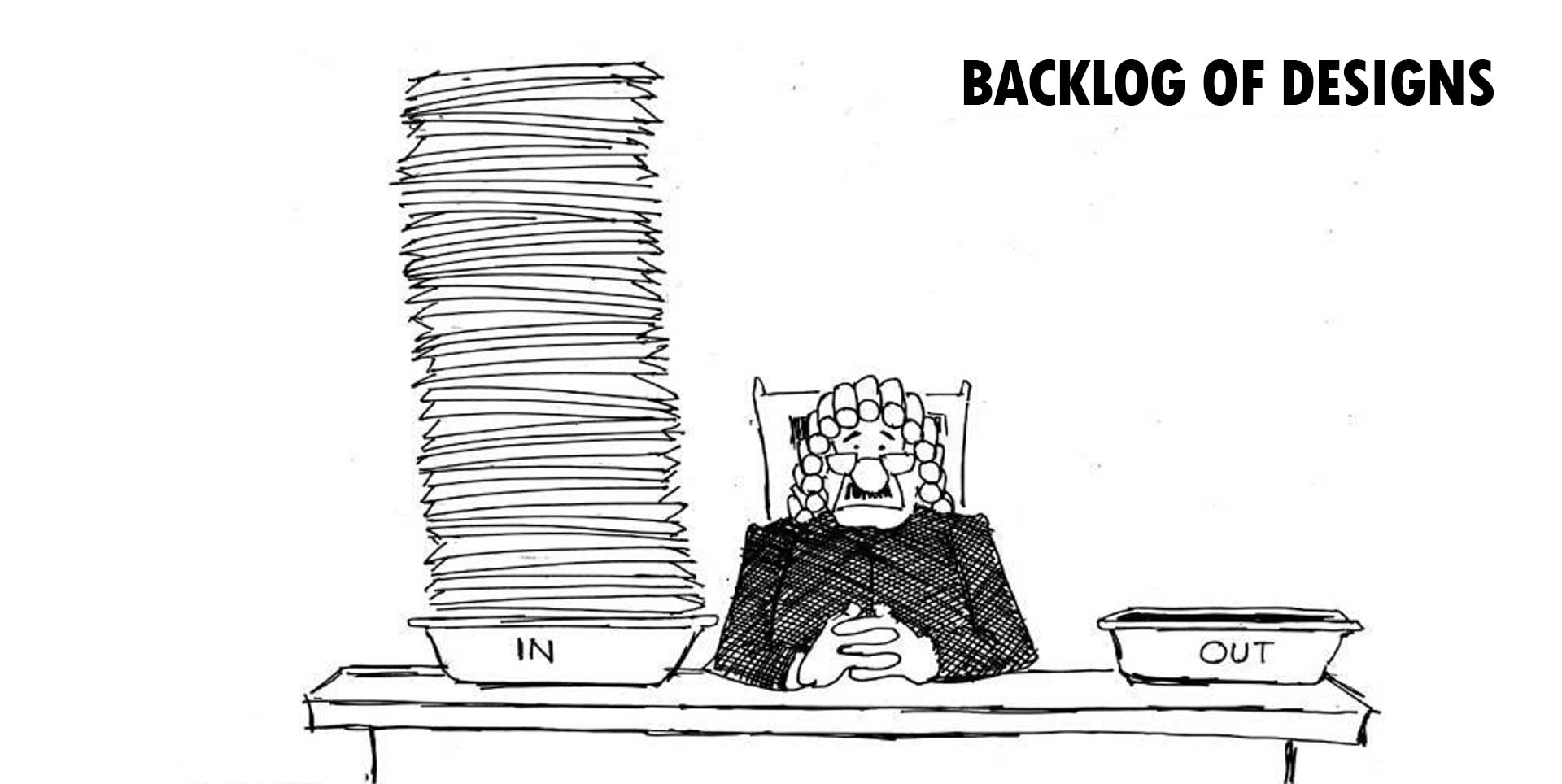
Backlogs do not usually start with one big problem. They build quietly.
A few more leads come in than expected (which is great news). Bu then you have a designer on vacation. Revisions pile up. Quotes wait on layouts. Salespeople start following up without the materials they need. Suddenly, the whole process feels slower, heavier, and more reactive.
For kitchen showrooms, cabinet sellers, and design-driven sales teams, backlog is not just an operations issue: It’s a sales issue. When design output slows down, quotes go out later, follow-ups lose momentum, and good leads cool off before the team is ready.
The default reaction is often to hire. But hiring is not always the best first answer.
Adding headcount takes time. It creates training demands. And in many cases, the backlog is not permanent. It may be seasonal, campaign-driven, tied to staffing gaps, or caused by a short-term surge in demand. That is why more kitchen businesses are looking at overflow kitchen design support as a faster, lower-risk way to keep work moving.
Used well, overflow support helps teams protect turnaround times, keep sales moving, and reduce internal strain without rushing into a full-time hire. It gives design teams room to breathe while helping the business stay responsive when volume spikes.
What is overflow design support?
Overflow design support is temporary or flexible kitchen design help used when your internal team has more work than it can realistically handle.
Instead of hiring another full-time designer right away, the business adds outside support to manage the extra workload. That support may be used for a few weeks, a few months, or on an ongoing as-needed basis depending on lead volume and internal capacity.
In practical terms, outsourced design overflow means a remote kitchen design team helps your business keep work moving when your in-house team is overloaded.
That might include:
- concept designs
- preliminary layouts
- quoting support
- revisions
- branded design packages
- takeoffs or pricing preparation
- design production tasks that slow down your sales cycle
The goal is not to replace your internal team. It is to keep them from becoming the bottleneck.
A good overflow model gives kitchen businesses the ability to scale design output up or down without taking on the cost, delay, and risk of hiring before they are ready.
Signs your team is in backlog (and why it gets worse)
Backlog is not always obvious at first. It often shows up as little symptoms across the sales and design process.
You may notice that designers are constantly switching between projects but not finishing anything quickly. Sales reps start waiting longer for layouts or revisions. Customers ask for updates before the team has anything ready to send. Turnaround times stretch, and internal frustration starts rising.
Common signs your team is in design backlog:
- quote turnaround is slipping
- revisions are stacking up
- new leads are waiting too long for first concepts
- sales appointments are happening without completed materials
- designers are spending more time triaging than designing
- internal teams are missing promised timelines
- design work is delaying follow-up and close rates
Why does it get worse so fast?
Because backlog compounds. One delay pushes into the next. A late concept delays pricing. Late pricing delays the sales meeting. Delayed meetings increase follow-up pressure. More follow-up pressure creates more interruption for the design team. Soon, the team is working harder but moving slower.
That is what makes backlog expensive. It is not just a workload issue. It affects:
- lead response speed
- customer confidence
- revision volume
- close rates
- team morale
- the overall sales process
Once the business is in reactive mode, it becomes much harder to recover without changing capacity.
The three options: hire, pause leads, or add overflow support
When backlog gets serious, most kitchen businesses have three choices.
1. Hire another designer
This can make sense if demand is steady, predictable, and clearly high enough to support another full-time role.
But hiring also comes with tradeoffs:
- recruiting takes time
- onboarding takes time
- process training takes time
- payroll becomes fixed overhead
- the backlog may still grow before the new person is productive
Hiring is often the right answer eventually. It is just not always the fastest or lowest-risk answer when the immediate problem is speed.
2. Slow intake or pause leads
Some teams respond to overload by reducing how many projects they take on or by delaying next steps until capacity improves.
This protects the internal team in the short term, but it comes at a cost:
- slower response to leads
- missed revenue opportunities
- weaker customer experience
- more room for competitors to win the job
- sales teams losing momentum
If your pipeline is healthy, pausing work is usually the most expensive way to deal with a capacity problem.
3. Add overflow support
Overflow kitchen design support sits between those two extremes.
It gives the business a way to expand design capacity without committing to a permanent hire or turning leads away. It is especially useful when:
- volume is inconsistent
- the team is in a temporary spike
- a designer is on leave
- campaigns or promotions increased lead flow
- revisions are overwhelming production capacity
- the business wants to test demand before hiring
For many showrooms and cabinet businesses, this is the most flexible option. It solves the immediate bottleneck while giving leadership more time to decide whether long-term hiring is truly necessary.
What work should you outsource first?
Not every task needs to be outsourced first.
The best place to start is with the work that creates the biggest bottleneck and the highest operational return. In most kitchen businesses, that means outsourcing the tasks that slow down quoting, first meetings, and revision turnaround.
The highest ROI design tasks to outsource are usually:
Concept designs
Early-stage concept work often creates a heavy load, especially when new leads are coming in quickly. Outsourcing concept designs helps the sales team get materials faster without pulling senior designers away from deeper project work.
Preliminary layouts
If your team spends too much time building first-pass layouts, overflow support can free up internal capacity for refinement, approvals, and higher-value design work.
Revisions
Revisions can quietly consume a large share of design time. When outsourced properly, revision support can reduce pileups and keep active projects moving.
Quoting support and pricing prep
Anything that delays pricing delays sales. If overflow support can help prepare design-linked quoting inputs, your team gets a faster path from inquiry to proposal.
Production-heavy design tasks
Tasks that are repeatable, deadline-sensitive, and process-driven are often the easiest to hand off first. These are usually the tasks that create the most friction when volume spikes.
A simple way to decide what to outsource first is to ask: What work is most often delaying sales right now?
That is usually where the biggest ROI lives.
5 things to ask when hiring an outsourced design company
Not all outsourced support is equal. If you are bringing in a remote kitchen design team, the right questions matter.
1. Can they work within our process?
The best outsourced partner should strengthen your workflow, not force you to rebuild it.
Ask:
- Can they plug into your existing intake and review process?
- Can they work with your sales team’s handoff style?
- Can they support your current turnaround expectations?
2. Do they understand kitchen sales, not just kitchen design?
This matters more than many teams realize.
You do not just need drawings. You need support that helps your sales process move. A good partner should understand how design affects quoting, budgeting, first meetings, retainers, and close rates.
3. Can they work in your cabinet catalogs and standards?
If they cannot design in the systems, brands, or standards your team uses, the handoff will create more work than it saves.
Ask:
- Can they use your preferred catalogs?
- Can they align to your pricing logic?
- Can they follow your design and documentation standards?
4. How do they handle quality control?
Speed matters, but consistency matters more.
Ask:
- What review steps do they use?
- How do they reduce avoidable revisions?
- How do they keep output aligned with your expectations over time?
5. How flexible is the support model?
Overflow support should be flexible by definition.
Ask:
- Can you scale usage up and down?
- Are you locked into a large ongoing commitment?
- Can they help with specific task types only?
- How quickly can they start supporting backlog?
The right outsourced design company should help you reduce pressure, not add complexity.
FAQs
How long should you use overflow support?
That depends on why the backlog exists.
Some businesses use overflow support for a short-term spike, such as a busy season, staffing gap, or campaign surge. Others keep it in place longer as a flexible layer of extra capacity.
A good rule is this: use overflow support for as long as it helps protect turnaround times, sales momentum, and team capacity. If demand becomes consistently high and predictable, that may be the point where hiring makes more sense.
What’s the fastest way to reduce revisions?
The fastest way to reduce revisions is to improve the quality of the first handoff.
That usually means:
- better intake information
- clearer scope before design begins
- fewer assumptions in the first layout
- better alignment on budget and expectations
- consistent review standards
Revisions often increase when teams are rushing or working from incomplete inputs. Overflow support can help, but only if the process feeding the work is clear and structured.
How do you keep quality consistent?
Quality stays consistent when the outsourced team is working from your standards, not guessing at them.
That usually requires:
- a clear intake process
- defined design expectations
- cabinet brand and catalog alignment
- feedback loops on early projects
- consistent review checkpoints
The best outsourced partners improve over time because they learn how your team works and what your business expects from every deliverable.
Can OKD help with design overflow?
Yes. OKD supports kitchen businesses that need extra design capacity without rushing into hiring.
We help sales and design teams manage overflow through practical, production-ready support that fits into real showroom workflows. That can include concept designs, quoting support, branded design packages, revisions, and other high-volume tasks that tend to slow sales down when backlog builds.
The goal is simple: keep work moving, protect your team’s time, and help your business stay responsive when demand increases.
Contact OKD
If your team is buried in revisions, delayed quotes, or a growing design queue, you may not need another hire yet. You may just need the right overflow support.
OKD helps kitchen and cabinet businesses clear backlog, protect turnaround times, and keep sales moving with flexible outsourced kitchen design support.
Contact OKD to talk about overflow support that fits your workflow.
Business tips from the OKD team
Business tips from
the OKD team


For a lot of kitchen showrooms, cabinet dealers, and online sellers, quoting is where momentum starts to break down.
For a lot of kitchen showrooms, cabinet dealers, and online sellers, quoting is where momentum starts to break down.
For a lot of kitchen showrooms, cabinet dealers, and online sellers, quoting is where momentum
Read More …

A lot of kitchen and cabinet businesses hit the same point as they grow: sales stay busy, but designs
A lot of kitchen and cabinet businesses hit the same point as they grow: sales stay busy, but designs
A lot of kitchen and cabinet businesses hit the same point as they grow: sales
Read More …
A lot of kitchen and cabinet companies lose momentum between the first customer conversation and the point where the
A lot of kitchen and cabinet companies lose momentum between the first customer conversation and the point where the
A lot of kitchen and cabinet companies lose momentum between the first customer conversation and
Read More …

Revision loops are one of the easiest ways for kitchen showrooms, cabinet dealers, and design teams to lose margin
Revision loops are one of the easiest ways for kitchen showrooms, cabinet dealers, and design teams to lose margin
Revision loops are one of the easiest ways for kitchen showrooms, cabinet dealers, and design
Read More …
Backlogs do not usually start with one big problem. They build quietly. A few more leads come in than
Backlogs do not usually start with one big problem. They build quietly. A few more leads come in than
Backlogs do not usually start with one big problem. They build quietly. A few more
Read More …

Selling cabinets online sounds efficient on paper. More leads. Faster quoting. Fewer in-showroom meetings. Wider reach. But for many
Selling cabinets online sounds efficient on paper. More leads. Faster quoting. Fewer in-showroom meetings. Wider reach. But for many
Selling cabinets online sounds efficient on paper. More leads. Faster quoting. Fewer in-showroom meetings. Wider
Read More …

A lot of revision loops start before design even begins. Usually, it is not because the designer got it
A lot of revision loops start before design even begins. Usually, it is not because the designer got it
A lot of revision loops start before design even begins. Usually, it is not because
Read More …
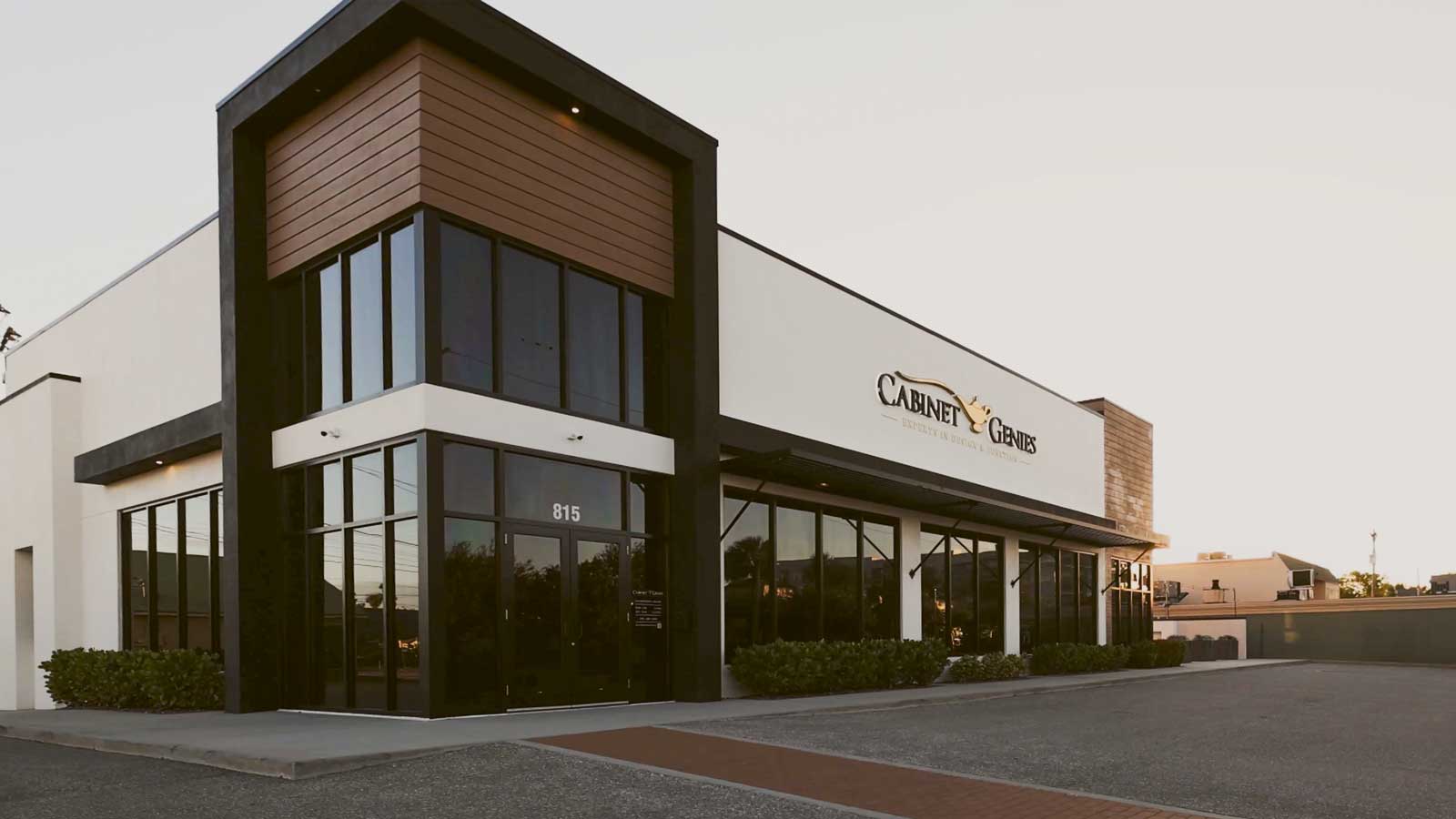
Cabinet Genies boosts showroom sales with OKD design support Showrooms feeling stuck in the balance between sales and design
Cabinet Genies boosts showroom sales with OKD design support Showrooms feeling stuck in the balance between sales and design
Cabinet Genies boosts showroom sales with OKD design support Showrooms feeling stuck in the balance
Read More …

For any kitchen cabinet distributor needing to grow their business more efficiently, the solution is literally at your fingertips:
For any kitchen cabinet distributor needing to grow their business more efficiently, the solution is literally at your fingertips:
For any kitchen cabinet distributor needing to grow their business more efficiently, the solution is
Read More …
Not every kitchen lead is ready for design. Some are serious buyers with a real project, a clear timeline, and
Not every kitchen lead is ready for design. Some are serious buyers with a real project, a clear timeline, and
Not every kitchen lead is ready for design. Some are serious buyers with a real project,
Read More …
A kitchen showroom can seem like its leads are flowing, when in reality, there are roadblocks that keep it falling
A kitchen showroom can seem like its leads are flowing, when in reality, there are roadblocks that keep it falling
A kitchen showroom can seem like its leads are flowing, when in reality, there are roadblocks
Read More …
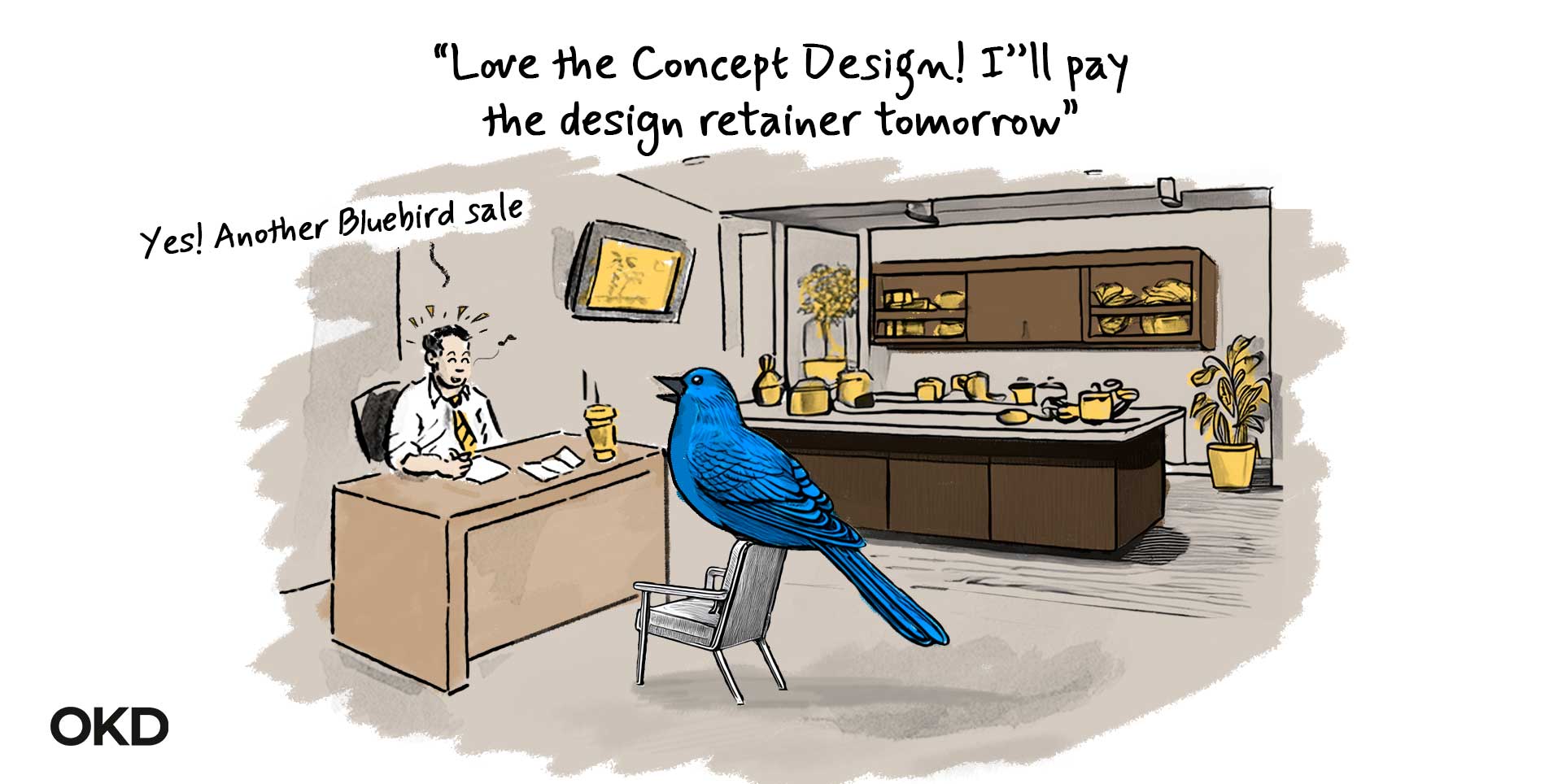
A concept design is one of the most useful tools a kitchen sales team can have when used the
A concept design is one of the most useful tools a kitchen sales team can have when used the
A concept design is one of the most useful tools a kitchen sales team can
Read More …
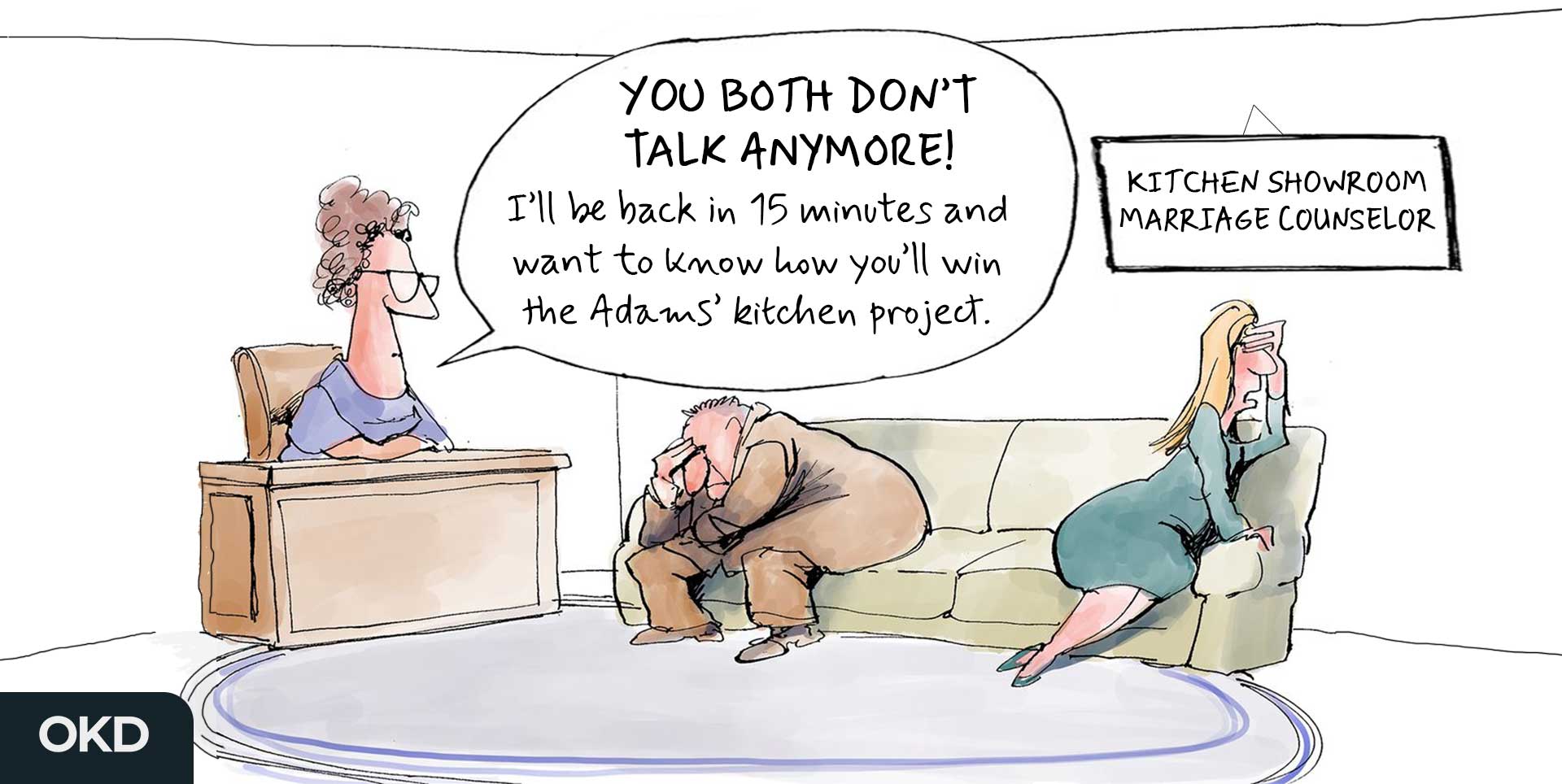
A lot can go wrong when the first kitchen consultation is too loose. Let’s say that someone calls in
A lot can go wrong when the first kitchen consultation is too loose. Let’s say that someone calls in
A lot can go wrong when the first kitchen consultation is too loose. Let’s say
Read More …

OKD’s plug-and-play system will get you kitchen sales you never considered. What do we mean by “Plug-and-Play”? In the tech
OKD’s plug-and-play system will get you kitchen sales you never considered. What do we mean by “Plug-and-Play”? In the tech
OKD’s plug-and-play system will get you kitchen sales you never considered. What do we mean by
Read More …

There’s an important shift happening in successful kitchen showroom designers and owners that are helping them scale; The traditional
There’s an important shift happening in successful kitchen showroom designers and owners that are helping them scale; The traditional
There’s an important shift happening in successful kitchen showroom designers and owners that are helping
Read More …
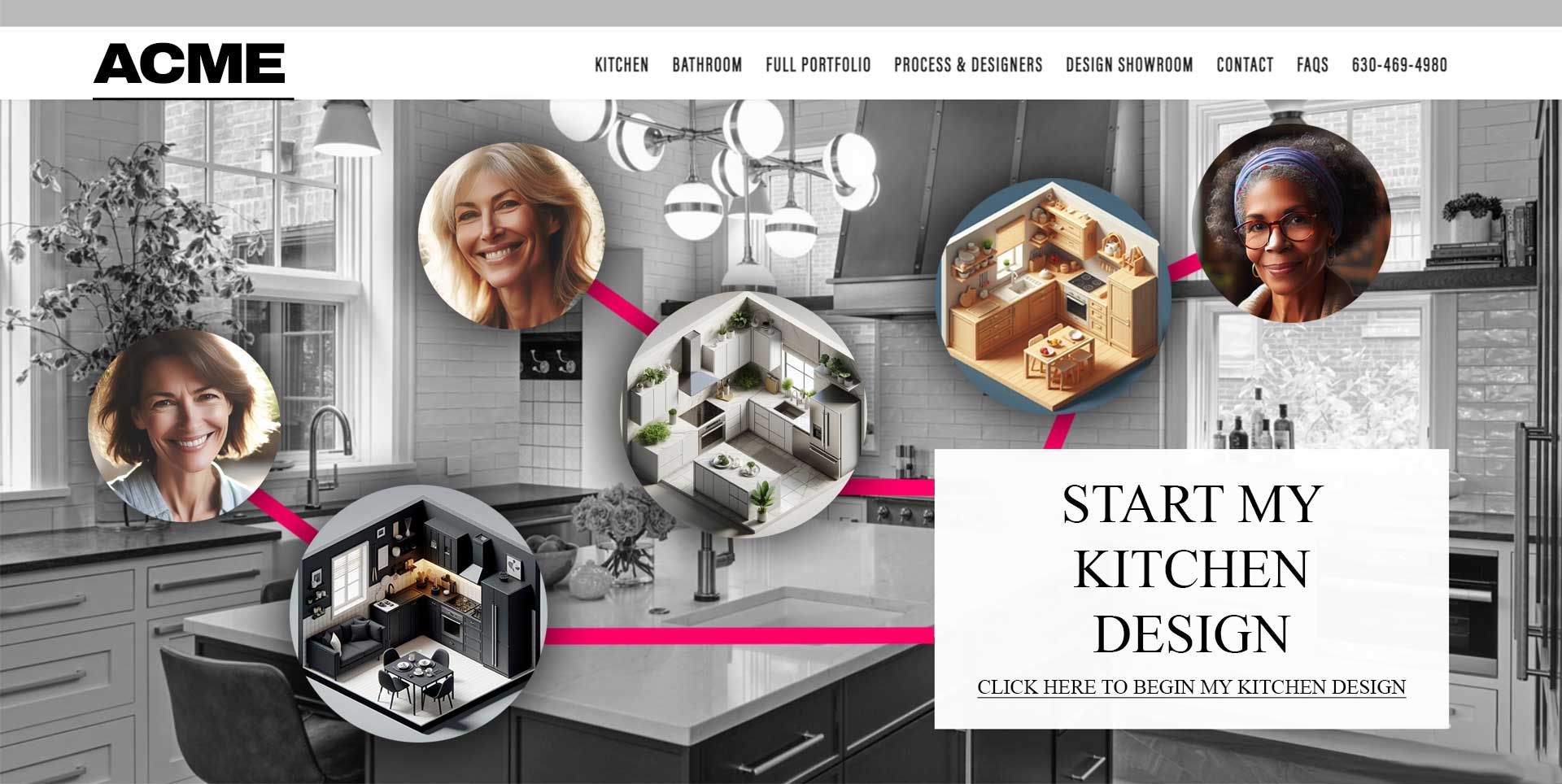
A customer is ready to move forward. The first conversation went well, the project looks promising, and the sales
A customer is ready to move forward. The first conversation went well, the project looks promising, and the sales
A customer is ready to move forward. The first conversation went well, the project looks
Read More …
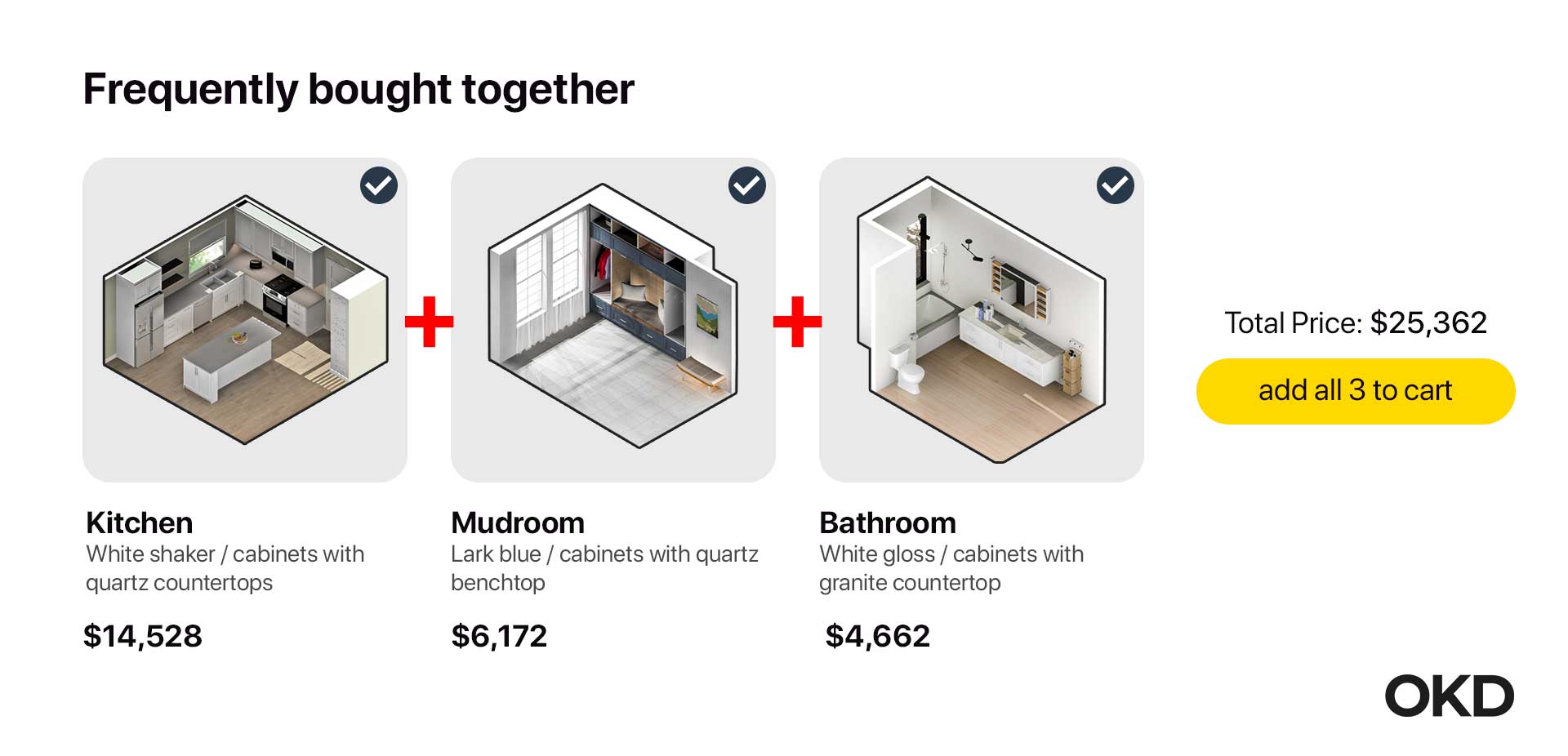
Increasing each customer’s contract amount (when mutually beneficial) can make or break a kitchen showroom.Showrooms that make it sell cabinets
Increasing each customer’s contract amount (when mutually beneficial) can make or break a kitchen showroom.Showrooms that make it sell cabinets
Increasing each customer’s contract amount (when mutually beneficial) can make or break a kitchen showroom.Showrooms that
Read More …
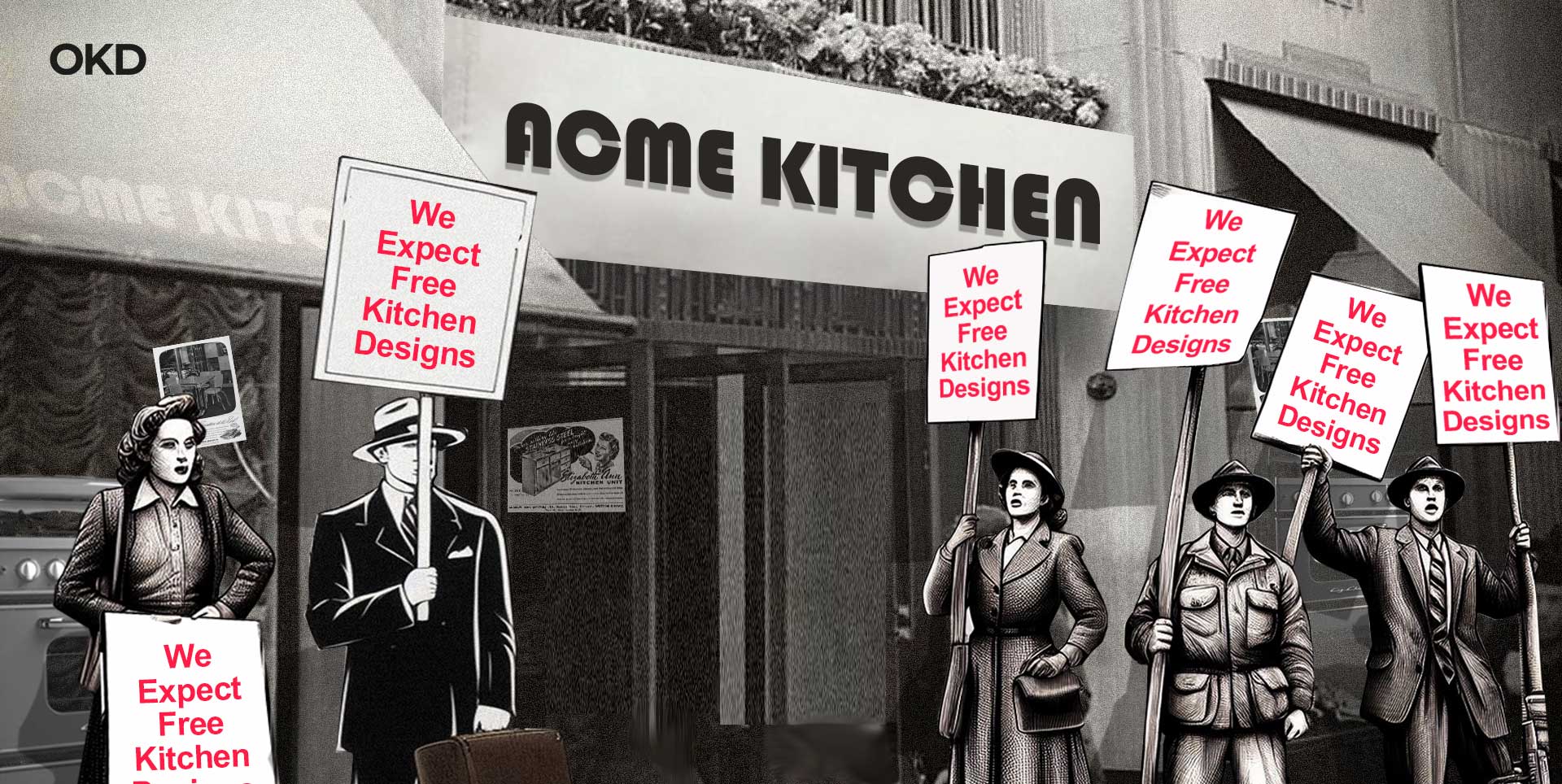
Have you ever dealt with ‘kitchen design/quote fatigue’? If you think the answer is no, but you feel exhausted
Have you ever dealt with ‘kitchen design/quote fatigue’? If you think the answer is no, but you feel exhausted
Have you ever dealt with ‘kitchen design/quote fatigue’? If you think the answer is no,
Read More …
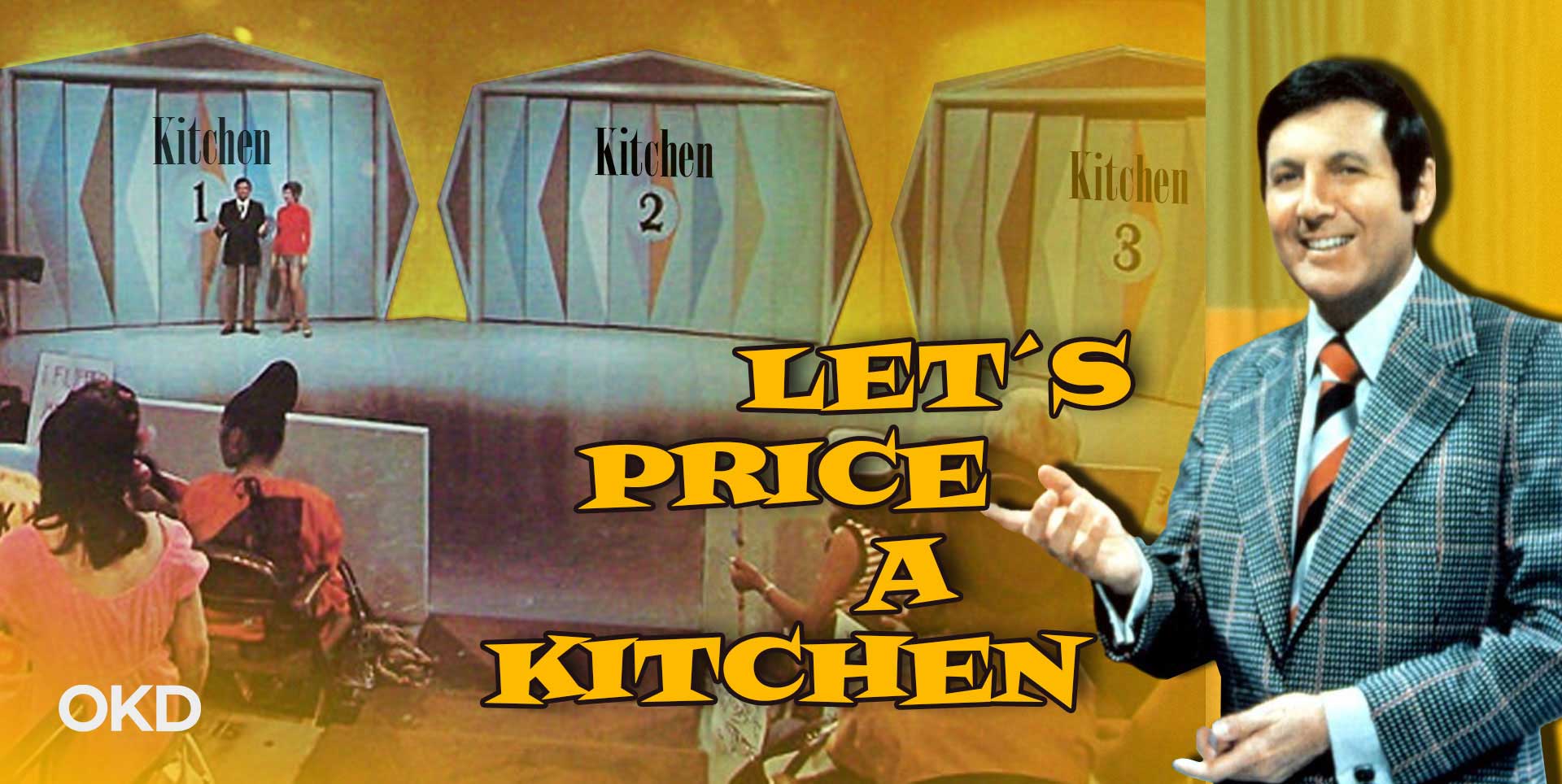
The kitchen business is full of showrooms eager to give away kitchen designs to pretty much anyone. It doesn’t
The kitchen business is full of showrooms eager to give away kitchen designs to pretty much anyone. It doesn’t
The kitchen business is full of showrooms eager to give away kitchen designs to pretty
Read More …
Today, I want to demonstrate how to free your kitchen showroom salespeople. Freeing them to do what comes naturally: sell
Today, I want to demonstrate how to free your kitchen showroom salespeople. Freeing them to do what comes naturally: sell
Today, I want to demonstrate how to free your kitchen showroom salespeople. Freeing them to do
Read More …
When dealing with potential kitchen customers, you’re not just selling cabinets – you're listening for the future. Listen closely
When dealing with potential kitchen customers, you’re not just selling cabinets – you're listening for the future. Listen closely
When dealing with potential kitchen customers, you’re not just selling cabinets – you're listening for
Read More …

It’s about getting more quotes to more potential customers In this article: Simple steps to boost kitchen showroom sales growth
It’s about getting more quotes to more potential customers In this article: Simple steps to boost kitchen showroom sales growth
It’s about getting more quotes to more potential customers In this article: Simple steps to boost
Read More …
For a lot of kitchen showrooms, cabinet dealers, and online sellers, quoting is where momentum starts to break down.
For a lot of kitchen showrooms, cabinet dealers, and online sellers, quoting is where momentum starts to break down.
For a lot of kitchen showrooms, cabinet dealers, and online sellers, quoting is where momentum
Read More …
A lot of kitchen and cabinet businesses hit the same point as they grow: sales stay busy, but designs
A lot of kitchen and cabinet businesses hit the same point as they grow: sales stay busy, but designs
A lot of kitchen and cabinet businesses hit the same point as they grow: sales
Read More …
A lot of kitchen and cabinet companies lose momentum between the first customer conversation and the point where the
A lot of kitchen and cabinet companies lose momentum between the first customer conversation and the point where the
A lot of kitchen and cabinet companies lose momentum between the first customer conversation and
Read More …
Revision loops are one of the easiest ways for kitchen showrooms, cabinet dealers, and design teams to lose margin
Revision loops are one of the easiest ways for kitchen showrooms, cabinet dealers, and design teams to lose margin
Revision loops are one of the easiest ways for kitchen showrooms, cabinet dealers, and design
Read More …
Backlogs do not usually start with one big problem. They build quietly. A few more leads come in than
Backlogs do not usually start with one big problem. They build quietly. A few more leads come in than
Backlogs do not usually start with one big problem. They build quietly. A few more
Read More …
Selling cabinets online sounds efficient on paper. More leads. Faster quoting. Fewer in-showroom meetings. Wider reach. But for many
Selling cabinets online sounds efficient on paper. More leads. Faster quoting. Fewer in-showroom meetings. Wider reach. But for many
Selling cabinets online sounds efficient on paper. More leads. Faster quoting. Fewer in-showroom meetings. Wider
Read More …
A lot of revision loops start before design even begins. Usually, it is not because the designer got it
A lot of revision loops start before design even begins. Usually, it is not because the designer got it
A lot of revision loops start before design even begins. Usually, it is not because
Read More …
Cabinet Genies boosts showroom sales with OKD design support Showrooms feeling stuck in the balance between sales and design
Cabinet Genies boosts showroom sales with OKD design support Showrooms feeling stuck in the balance between sales and design
Cabinet Genies boosts showroom sales with OKD design support Showrooms feeling stuck in the balance
Read More …
For any kitchen cabinet distributor needing to grow their business more efficiently, the solution is literally at your fingertips:
For any kitchen cabinet distributor needing to grow their business more efficiently, the solution is literally at your fingertips:
For any kitchen cabinet distributor needing to grow their business more efficiently, the solution is
Read More …
Not every kitchen lead is ready for design. Some are serious buyers with a real project, a clear timeline, and
Not every kitchen lead is ready for design. Some are serious buyers with a real project, a clear timeline, and
Not every kitchen lead is ready for design. Some are serious buyers with a real project,
Read More …
A kitchen showroom can seem like its leads are flowing, when in reality, there are roadblocks that keep it falling
A kitchen showroom can seem like its leads are flowing, when in reality, there are roadblocks that keep it falling
A kitchen showroom can seem like its leads are flowing, when in reality, there are roadblocks
Read More …
A concept design is one of the most useful tools a kitchen sales team can have when used the
A concept design is one of the most useful tools a kitchen sales team can have when used the
A concept design is one of the most useful tools a kitchen sales team can
Read More …
A lot can go wrong when the first kitchen consultation is too loose. Let’s say that someone calls in
A lot can go wrong when the first kitchen consultation is too loose. Let’s say that someone calls in
A lot can go wrong when the first kitchen consultation is too loose. Let’s say
Read More …
OKD’s plug-and-play system will get you kitchen sales you never considered. What do we mean by “Plug-and-Play”? In the tech
OKD’s plug-and-play system will get you kitchen sales you never considered. What do we mean by “Plug-and-Play”? In the tech
OKD’s plug-and-play system will get you kitchen sales you never considered. What do we mean by
Read More …
There’s an important shift happening in successful kitchen showroom designers and owners that are helping them scale; The traditional
There’s an important shift happening in successful kitchen showroom designers and owners that are helping them scale; The traditional
There’s an important shift happening in successful kitchen showroom designers and owners that are helping
Read More …
A customer is ready to move forward. The first conversation went well, the project looks promising, and the sales
A customer is ready to move forward. The first conversation went well, the project looks promising, and the sales
A customer is ready to move forward. The first conversation went well, the project looks
Read More …
Increasing each customer’s contract amount (when mutually beneficial) can make or break a kitchen showroom.Showrooms that make it sell cabinets
Increasing each customer’s contract amount (when mutually beneficial) can make or break a kitchen showroom.Showrooms that make it sell cabinets
Increasing each customer’s contract amount (when mutually beneficial) can make or break a kitchen showroom.Showrooms that
Read More …
Have you ever dealt with ‘kitchen design/quote fatigue’? If you think the answer is no, but you feel exhausted
Have you ever dealt with ‘kitchen design/quote fatigue’? If you think the answer is no, but you feel exhausted
Have you ever dealt with ‘kitchen design/quote fatigue’? If you think the answer is no,
Read More …
The kitchen business is full of showrooms eager to give away kitchen designs to pretty much anyone. It doesn’t
The kitchen business is full of showrooms eager to give away kitchen designs to pretty much anyone. It doesn’t
The kitchen business is full of showrooms eager to give away kitchen designs to pretty
Read More …
Today, I want to demonstrate how to free your kitchen showroom salespeople. Freeing them to do what comes naturally: sell
Today, I want to demonstrate how to free your kitchen showroom salespeople. Freeing them to do what comes naturally: sell
Today, I want to demonstrate how to free your kitchen showroom salespeople. Freeing them to do
Read More …
When dealing with potential kitchen customers, you’re not just selling cabinets – you're listening for the future. Listen closely
When dealing with potential kitchen customers, you’re not just selling cabinets – you're listening for the future. Listen closely
When dealing with potential kitchen customers, you’re not just selling cabinets – you're listening for
Read More …
It’s about getting more quotes to more potential customers In this article: Simple steps to boost kitchen showroom sales growth
It’s about getting more quotes to more potential customers In this article: Simple steps to boost kitchen showroom sales growth
It’s about getting more quotes to more potential customers In this article: Simple steps to boost
Read More …