
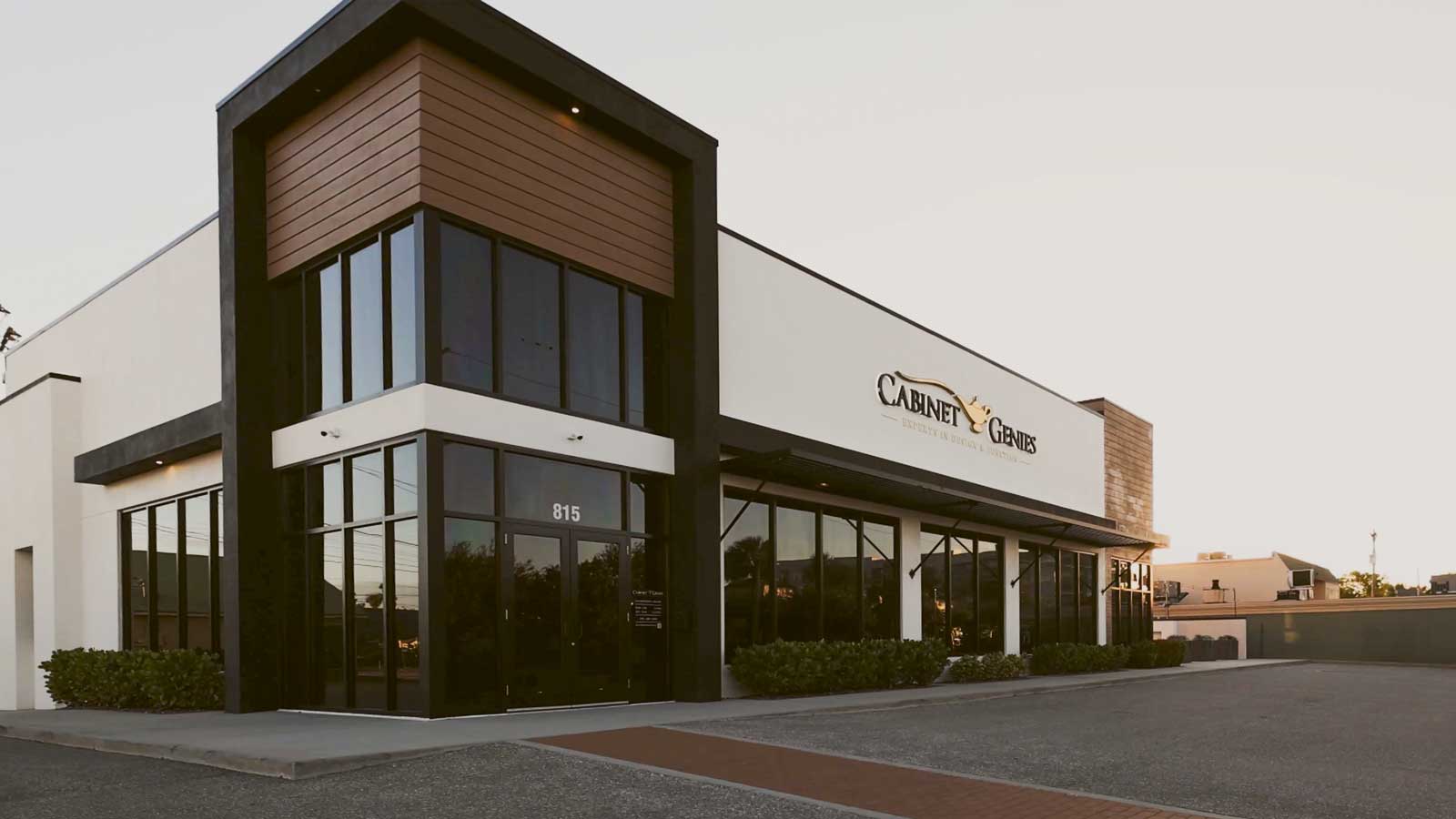
Amanda manages a busy kitchen showroom where leads aren’t a problem: her team has a steady stream of prospects asking for layouts, pricing, and revisions.
The problem is what doesn’t happen next.
Her designers can only push out so many kitchens at once. Between new concepts, revisions, pricing updates, and the constant back-and-forth required to keep sales moving, the team hits a limit. When design output slows down, sales slows down with it. Quotes go out late. Follow-ups drag. Good prospects lose momentum or shop elsewhere. Revenue doesn’t drop, but it stops climbing.
That’s a frustrating place to be as a manager. It doesn’t feel like a “sales problem,” yet it shows up in the revenue line. You can have strong demand and still plateau if your design capacity can’t keep up with the pace required to win sales.
Why the usual fixes didn’t work
Amanda ran through the options most showroom leaders consider.
Hiring more in-house designers sounded straightforward, but the economics didn’t. Recruiting, onboarding, training, and maintaining consistent output across changing workloads added risk and cost. She didn’t want to hire for peak season and then carry that overhead when demand normalized.
Asking salespeople to do design work created a different issue. Every hour spent designing was an hour not spent qualifying leads, running meetings, and closing. It didn’t increase output—it just shifted the bottleneck and slowed the pipeline.
Even incentives didn’t solve it. Higher commissions didn’t create more hours in the day, and it didn’t fix the real constraint: limited design bandwidth.
Amanda could see the pattern clearly. The showroom’s growth depended on quoting more projects, faster—but the team’s design output was capping how many opportunities they could actively pursue.
The change: adding a remote design resource
Amanda decided to test OKD as a support layer for her existing team—not a replacement. The goal was simple: increase design output without disrupting the showroom’s standards or overwhelming internal designers.
The way she framed it internally mattered. This wasn’t “more design for the sake of design.” It was design support tied to sales movement:
- Get prospects a strong first concept and initial pricing faster
- Keep revisions moving so quotes don’t stall
- Protect the in-house team’s time for high-value projects and priority accounts
- Maintain consistent presentation with branded, sales-ready design packages
With remote design support handling overflow and production work, her in-house designers could focus on the parts of the process where their showroom knowledge created the most value: client-facing refinement, key revisions, and high-touch projects.
What changed in the workflow
The biggest shift wasn’t just speed: it was flow.
Instead of designs sitting in a queue, sales had reliable turnaround for the next step in the conversation. Quotes moved out faster. Revisions didn’t pile up. Prospects weren’t left waiting while competitors stayed responsive.
Designers also felt the difference. When the backlog eased, internal designers were no longer forced to context-switch constantly or juggle too many priorities at once. The work became more manageable, and quality was easier to maintain.
The result: more quoting capacity, less stagnation
Within the first stretch of using remote design support, Amanda’s showroom could handle far more active opportunities at the same time. Where a designer might have realistically supported one or two major projects in motion, the team was able to keep closer to ten leads moving through early-stage design and quoting without everything grinding to a halt.
That change created a second-order benefit: the showroom could pursue growth opportunities that previously felt out of reach. With more quoting capacity, Amanda could respond faster, quote more, and confidently expand into nearby markets—because the team wasn’t already maxed out.
When output becomes your bottle neck
Kitchen showrooms don’t stagnate only because of lead flow. Many plateau because design output becomes the limiting factor, and the showroom can’t bid enough projects at the pace required to grow.
Amanda didn’t fix his revenue ceiling by pushing his team harder. He fixed it by removing the constraint that was slowing everything down: design capacity. Remote design support gave the showroom the ability to quote more, keep deals moving, and grow without adding the cost and complexity of expanding an in-house design department.
Interested in Learning More about how OKD can help? Start here.


Kitchen business tips
from the OKD Team
Kitchen
business tips
business tips
from the OKD Team


Get updates on Kitchen
industry sales insights
and strategies…
industry sales insights
and strategies…
Get our newsletter in your inbox.
Get updates on
Kitchen industry
sales insights and
strategies…
Kitchen industry
sales insights and
strategies…